An SMS gateway talks to a public network by definition, so the honest version of an air gap in this context is an isolated management and control plane rather than an isolated radio path. Understanding which side of the boundary is isolated is the whole design.
This article sets out what isolation can and cannot mean for messaging hardware, what has to cross the boundary and how, how management and updates work without connectivity, and how evidence is extracted from an isolated deployment.
What air-gapped SMS hardware for government means in a messaging context
It means the management plane has no path to public networks.
In a strict information-security sense an air gap means no network connection between the protected system and anything else, with data moving only through a controlled procedure. Messaging hardware cannot satisfy that description for its message path, because the device exists to exchange traffic with a mobile network. What it can satisfy is the isolation of everything that controls it: the administration interface, the configuration store, the log repository and the update process.
Accepting that distinction changes the design work. The question stops being whether the device is air-gapped, which it is not, and becomes which of the device’s interfaces are reachable from where. A deployment where the radio path is public, the application interface is reachable only from a specific internal service, and the management interface is reachable only from a dedicated console in a controlled room is doing the thing that isolation is trying to achieve. A deployment with all three on one flat network is not, however the product is described.
| Interface | Can it be isolated | Practical arrangement |
|---|---|---|
| Radio path to the mobile network | No, this is the service | Accept it and design around it |
| Application interface | Yes | Reachable only from the internal submitting service |
| Management interface | Yes | Dedicated console, separate segment, no default route |
| Log and evidence path | Yes | One-way export to a system the device cannot modify |
| Update path | Yes | Offline media, verified, applied under procedure |
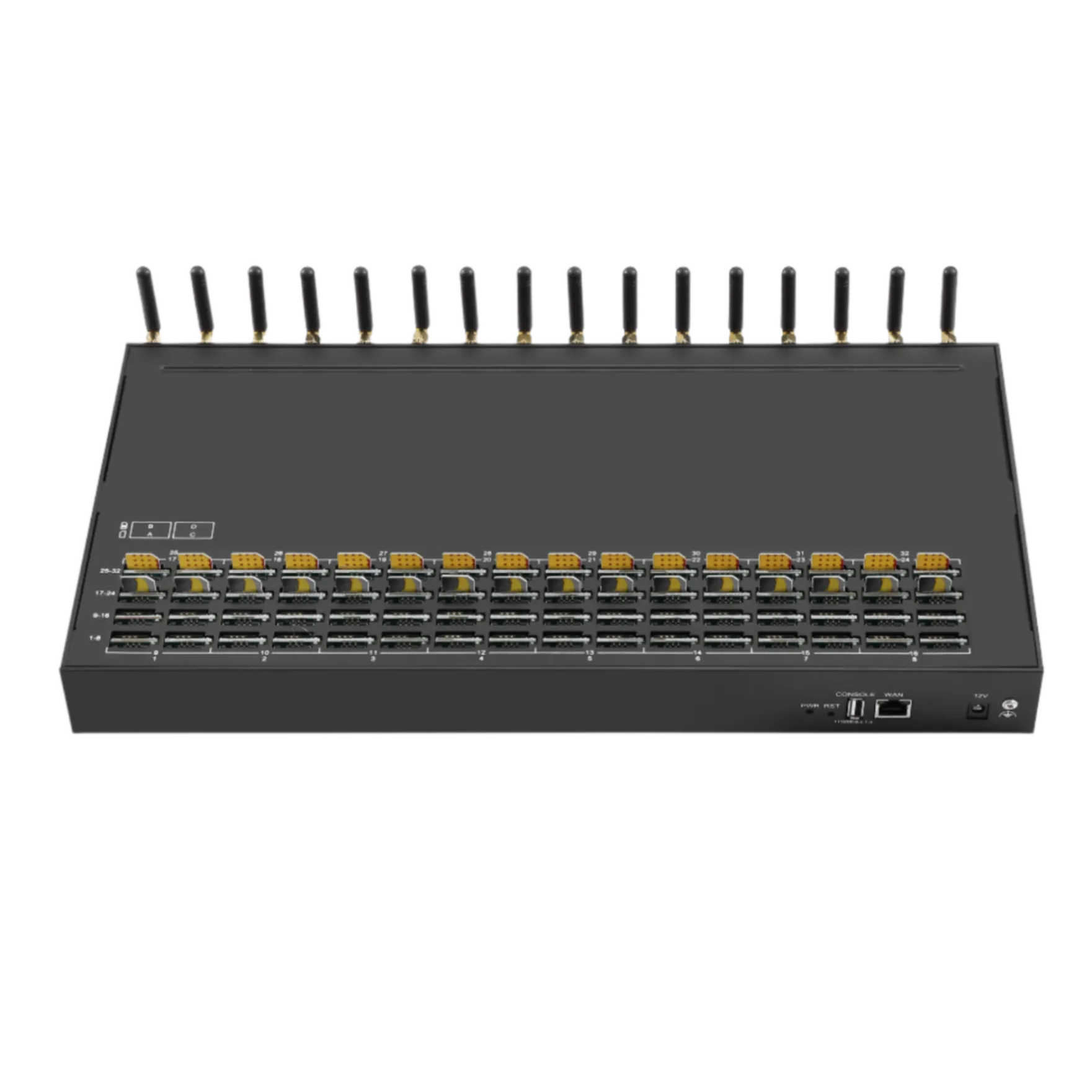
What has to cross the gap, and how
Three flows have to cross, and each needs a defined direction.
The first is the message request, travelling from the submitting system into the gateway. Where the submitting system is inside the protected boundary and the gateway serves only that system, this flow can be restricted to a single service identity on a single segment, which is the strongest form available. The second is the result, travelling back: delivery confirmations, failures, and state changes. The third is administrative: configuration in, evidence out.
Direction matters because it determines what a compromise on one side can reach. A console that can read status but cannot change configuration is a different exposure from a console that can do both, and a log export that is one-way is different from a share that the gateway can write to and read from. Where the deployment is large enough to justify it, the clean arrangement is a separate read-only path for monitoring and a separate write path for administration, with neither available to the systems that generate message traffic.
The boundary protections that describe this kind of separation, including how to restrict administrative access and how to control the flow between zones, are catalogued in NIST SP 800-53 Rev. 5. Reading the access control, boundary protection and audit families in that order produces a workable design checklist for an isolated deployment of almost any size.
Management access under isolation
Isolation does not remove administration, it relocates it.
Where the management interface cannot be reached from an ordinary workstation, administration happens at a defined location, by named people, with the session recorded. The practical elements are a dedicated console on a separate segment, multi-factor authentication for anyone who uses it, per-person accounts rather than shared credentials, and a session log. The last of these is what makes it possible to answer the obvious question afterwards, which is who changed what.
Physical access belongs in the same plan. A management console in a controlled room is a physical control, and it fails if the room is routinely used for other purposes or if the console is left logged in. The habits that make a physically isolated console work are procedural rather than technical, which is why the organisational guidance in frameworks such as the NCSC 10 Steps to Cyber Security maps onto them more usefully than a device specification does.
Emergency access deserves an explicit decision. A deployment that cannot be administered outside working hours will eventually need a break-glass route, and the safe version of that route is a documented, time-limited procedure with an approval, rather than a permanently available remote path that nobody remembers creating. Where the procedure is written before it is needed, it is a control; where it is improvised during an incident, it is the weakest moment in the deployment’s history.
Update distribution without connectivity
Offline updating is a procedure, and the procedure is the control.
Firmware and configuration updates in an isolated deployment travel on removable media or through a controlled transfer, and the security of the arrangement rests on four steps: obtaining the update from the vendor through a channel you can verify, checking that the artefact is the one the vendor published, applying it in a window with a tested rollback, and recording the version that resulted. Removing the last step is what leaves a deployment unable to answer which units are running which build a year later.
Verification is the part worth designing rather than assuming. Where the vendor publishes a hash or a signature for a firmware image, checking it before the media enters the protected environment is a cheap control that catches both corruption and substitution. Where no such value is published, the artefact can still be obtained through a documented process and recorded, but the absence of a verifiable reference should be noted as a gap rather than accepted as normal.
Rollback matters more in an isolated deployment than in a connected one, because the recovery path is slower. A gateway that fails after an update in a connected environment can often be recovered remotely; the same failure behind an isolation boundary means a visit, and a visit that requires approvals. Testing the rollback on one unit before applying the update across the estate is the discipline that keeps the second failure from being larger than the first.
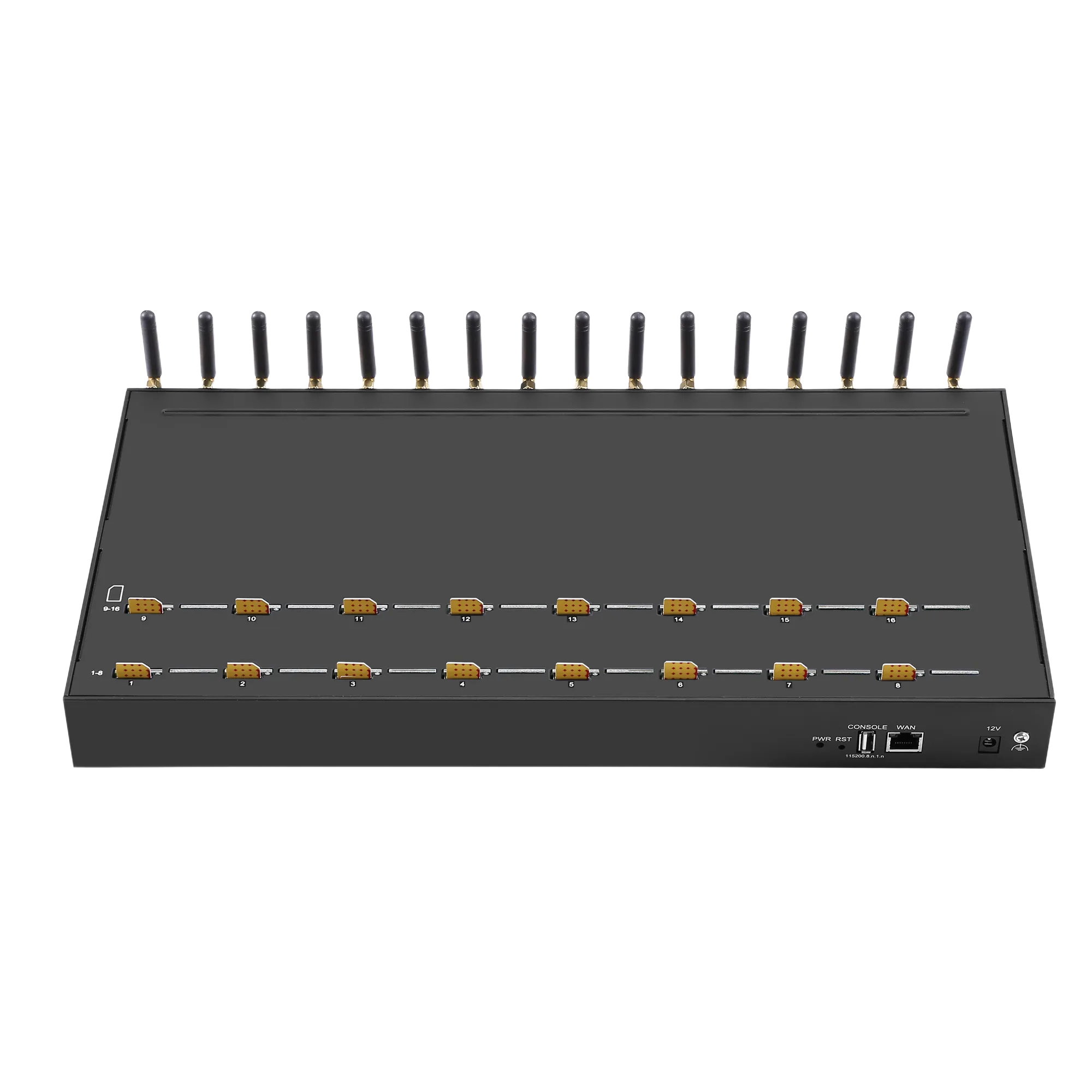
Logging and evidence extraction
Evidence has to leave the boundary in a form that can be trusted.
The log is the record of what the deployment did: what was sent, on which subscription, to which destination, at what time, and with what outcome. Extracting it from an isolated environment is a defined procedure rather than an everyday file copy, and the useful design keeps three properties. The record should be written somewhere the gateway itself cannot modify, so that it can be relied on. It should be exported on a schedule rather than only when somebody asks, so that a gap in the record is visible as a gap. And it should carry enough context to be read without the originating device, including the device identity and the time source.
The practice for retaining, protecting and reviewing those records is the same as for any other audit trail, and NIST SP 800-92 covers it in a form that is short enough to apply directly. The retention period itself is a policy decision rather than an engineering one, and in a public-sector deployment it is usually set by the record-keeping obligation rather than by storage capacity.
Time is the detail that most often undermines an otherwise good log. Where the isolated environment keeps its own clock and nobody has verified that it agrees with the surrounding systems, correlating the record with anything else becomes guesswork. A single documented time source for the isolated environment, checked at a defined interval, removes that problem for very little cost.
Where true isolation is impossible
The radio path is a connection to a public network, and no configuration changes that.
A gateway with a SIM in it is reachable by the mobile network for signalling, and the traffic it carries traverses an operator’s infrastructure. That is not a defect to be engineered away; it is the service. What a deployment can do is limit what the radio path can reach. Where the device’s design keeps the radio side separate from the management side, with no bridging between them, the network’s reach stops at the module. Where the device shares a stack between cellular and management interfaces, the reach is larger, and that difference is worth establishing before purchase rather than after.
The other place true isolation is impossible is the supply chain. Firmware comes from a vendor, hardware comes from a factory, and the deployment inherits both. The controls available are verification of artefacts, a documented provenance trail, testing before acceptance, and, where the requirement justifies it, an acceptance regime that includes opening and inspecting the equipment. Those are governance measures rather than configuration, and the general hardening expectations for the systems around them are described in NIST SP 800-123.
Being explicit about both limits is what makes the rest of the design credible. A proposal that claims a messaging gateway is fully isolated from public networks is describing something that does not exist, and the more useful conversation is about which interfaces are isolated and what evidence supports the claim. The broader list of organisational controls that such a deployment should be measured against is maintained in collections such as the CISA cybersecurity best practices.
An isolation checklist
The checklist covers the boundaries that can actually be enforced in a messaging deployment, and it states plainly where a boundary cannot be created. Each item produces a configuration or a procedure, which is what makes an isolation claim auditable.
- A written statement of which interfaces are isolated and which are not.
- Application interface reachable only from the internal service that submits traffic.
- Management interface on a separate segment, with no route to public networks.
- Dedicated console in a controlled room, per-person accounts and multi-factor authentication.
- Recorded administrative sessions, and a documented break-glass procedure.
- Offline update procedure with artefact verification and a tested rollback.
- One-way log export to a system the gateway cannot modify, on a schedule.
- A single documented time source for the isolated environment, checked periodically.
- An acceptance step for hardware and firmware provenance.
Isolate the control plane, and be explicit about the radio path. Send your boundary model, management access requirements and update procedure to service@telarvo.com, or review the published configurations on the SMS gateway range and the SMS gateway solution page. Background on the company and the range is on the about page. Telarvo publishes the SK-SMS gateway range, the TYH modem pools and the TGW SMS machine on its product pages, and the configurations referenced above come from those listings.
FAQ
Can an SMS gateway be truly air-gapped?
Not for its message path, because the device exists to exchange traffic with a mobile network, so the radio side is a connection to a public network by design. What can be isolated is the control plane: the application interface, the management interface, the log repository and the update process. A deployment that isolates those four and states plainly that the radio path is not isolated is describing a design that can actually be built.
How should firmware updates be applied in an isolated SMS deployment?
As a documented procedure with four steps: obtain the update through a channel you can verify, check the artefact against the value the vendor published where one exists, apply it in a window with a tested rollback, and record the resulting version. The last step is what allows the deployment to answer which units run which build a year later, and the rollback matters more here because recovery behind an isolation boundary usually means a visit.
How do you extract logs from an air-gapped messaging deployment?
By a scheduled one-way export to a system the gateway cannot modify, rather than by an occasional manual copy. Three properties make the record usable: it is written somewhere the device cannot alter, the exports happen on a schedule so that a gap is visible, and each record carries enough context to be read on its own, including device identity and time source.
Is an air gap enough on its own to secure a government messaging deployment?
No. Isolation limits reach, but the deployment still depends on access control, authentication, log retention, patching and the supply chain that produced the equipment. A gateway with good isolation and shared administrative credentials is not a controlled system, and neither is one with no procedure for applying firmware. Isolation is one control among several rather than a substitute for the rest.
{
“@context”: “https://schema.org”,
“@type”: “FAQPage”,
“mainEntity”: [
{
“@type”: “Question”,
“name”: “Can an SMS gateway be truly air-gapped?”,
“acceptedAnswer”: {
“@type”: “Answer”,
“text”: “Not for its message path, because the device exists to exchange traffic with a mobile network, so the radio side is a connection to a public network by design. What can be isolated is the control plane: the application interface, the management interface, the log repository and the update process. A deployment that isolates those four and states plainly that the radio path is not isolated is describing a design that can actually be built.”
}
},
{
“@type”: “Question”,
“name”: “How should firmware updates be applied in an isolated SMS deployment?”,
“acceptedAnswer”: {
“@type”: “Answer”,
“text”: “As a documented procedure with four steps: obtain the update through a channel you can verify, check the artefact against the value the vendor published where one exists, apply it in a window with a tested rollback, and record the resulting version. The last step is what allows the deployment to answer which units run which build a year later, and the rollback matters more here because recovery behind an isolation boundary usually means a visit.”
}
},
{
“@type”: “Question”,
“name”: “How do you extract logs from an air-gapped messaging deployment?”,
“acceptedAnswer”: {
“@type”: “Answer”,
“text”: “By a scheduled one-way export to a system the gateway cannot modify, rather than by an occasional manual copy. Three properties make the record usable: it is written somewhere the device cannot alter, the exports happen on a schedule so that a gap is visible, and each record carries enough context to be read on its own, including device identity and time source.”
}
},
{
“@type”: “Question”,
“name”: “Is an air gap enough on its own to secure a government messaging deployment?”,
“acceptedAnswer”: {
“@type”: “Answer”,
“text”: “No. Isolation limits reach, but the deployment still depends on access control, authentication, log retention, patching and the supply chain that produced the equipment. A gateway with good isolation and shared administrative credentials is not a controlled system, and neither is one with no procedure for applying firmware. Isolation is one control among several rather than a substitute for the rest.”
}
}
]
}