An integrator is not buying a gateway; an integrator is buying the ability to promise something to a client and then deliver it. Vendor selection is therefore a question about what can be warranted, not about which specification looks strongest.
This article sets out what an integrator has to stand behind, how documentation and support determine whether that is affordable, what supply continuity and firmware maintenance mean over a project lifecycle, and the commercial terms that actually matter to a channel.
Why integrators choose a gateway vendor: what they have to warrant to their own client
A commitment to a service level that the hardware either supports or undermines.
When an integrator signs a project, the client receives a single promise: the system will work, and it will be supported. Every component behind that promise becomes the integrator’s problem, regardless of who manufactured it. Two consequences follow. The first is that the cost of a component failure is not the price of the replacement but the time to diagnose, obtain and install it, multiplied by the number of times it happens. The second is that a vendor who is slow, vague or unavailable turns directly into a liability on the integrator’s balance sheet.
That is why vendor selection in this market looks less like a technical comparison and more like a risk assessment. The specification matters because it determines whether the project can be delivered at all. Everything else matters because it determines whether the project remains profitable after it has been delivered.
| What is warranted | What the vendor must provide |
|---|---|
| The system will be delivered as specified | Accurate specifications and usable documentation |
| Faults will be resolved within a stated time | A support path with defined escalation and spares |
| The system can be expanded later | A product roadmap and continued firmware maintenance |
| The client can operate it | Alarm documentation and a handover-quality manual |
Documentation and specification quality
Documentation is the difference between a support call and a billable hour.
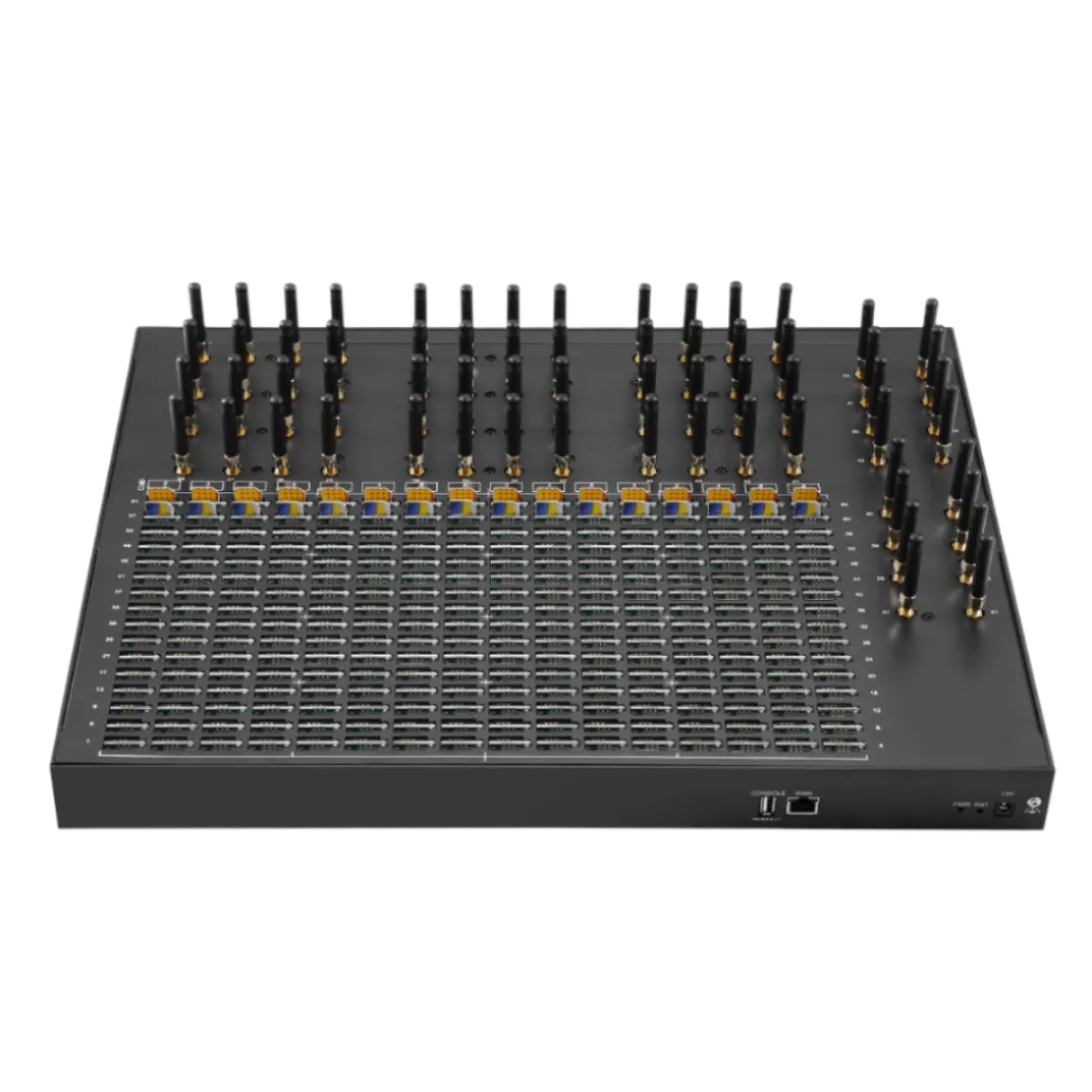
Specification quality determines whether a project can be scoped accurately before it is sold. A specification that states port counts and interfaces but omits the environmental range, the power requirements or the signalling behaviour produces a quotation built on assumptions, and assumptions that turn out to be wrong are absorbed by the integrator rather than passed to the client. The environmental classification for fixed installations in ETSI EN 300 019-1-3, one of the ETSI standards, and the wider body of engineering standards published by ITU-T, are a useful example: a device declared against a class has answered a question that would otherwise become a site visit.
Documentation quality determines the cost of the years that follow. The package that matters includes the port mapping, the alarm list with an explanation for every condition the device can raise, the firmware update procedure with its rollback, the configuration export format, and a description of what the device does when it fails. Where the alarm list is incomplete, every unfamiliar alarm becomes a support call, and where the configuration export is undocumented, every replacement becomes a rebuild.
The test an integrator can apply in a day is to attempt three routine tasks using only the published documentation: change a setting, update firmware, and restore a configuration onto a second unit. Every point of ambiguity found is a point that will be found again under time pressure, on a client site, at the worst possible moment.
Support model and escalation
The question is not whether support exists but where it stops.
Three tiers matter, and a vendor is only as good as the third. Front-line response acknowledges a question and handles routine matters. Second-line support diagnoses a fault with the product and can confirm whether a behaviour is a defect. The third tier is access to engineering, which is what resolves the problems that an integrator cannot close from documentation alone: a firmware behaviour that appears only under a specific configuration, a signalling interaction with a particular PBX, a defect that needs a fix rather than a workaround.
Time-zone overlap and the escalation path are both worth establishing before a project rather than during an incident. A support channel that responds within an hour during its own working day is excellent if that day overlaps with the client’s, and much less useful if it does not. Where the integrator’s client operates continuously, the escalation route outside working hours should be documented, along with who is authorised to use it.
The management framework terminology for this kind of arrangement is long established, and the fault and configuration management functions described in ITU-T M.3400 are a useful vocabulary for describing what a vendor’s process actually covers. The same formal vocabulary is used to describe why a call or session was released, and the standard reasons are listed in ITU-T Q.850, which is worth handing to a client when a fault is described as a network problem. It is a formal document, but the questions it prompts are practical.
Supply continuity and lead times
A model that is available today and discontinued next year is a project risk.
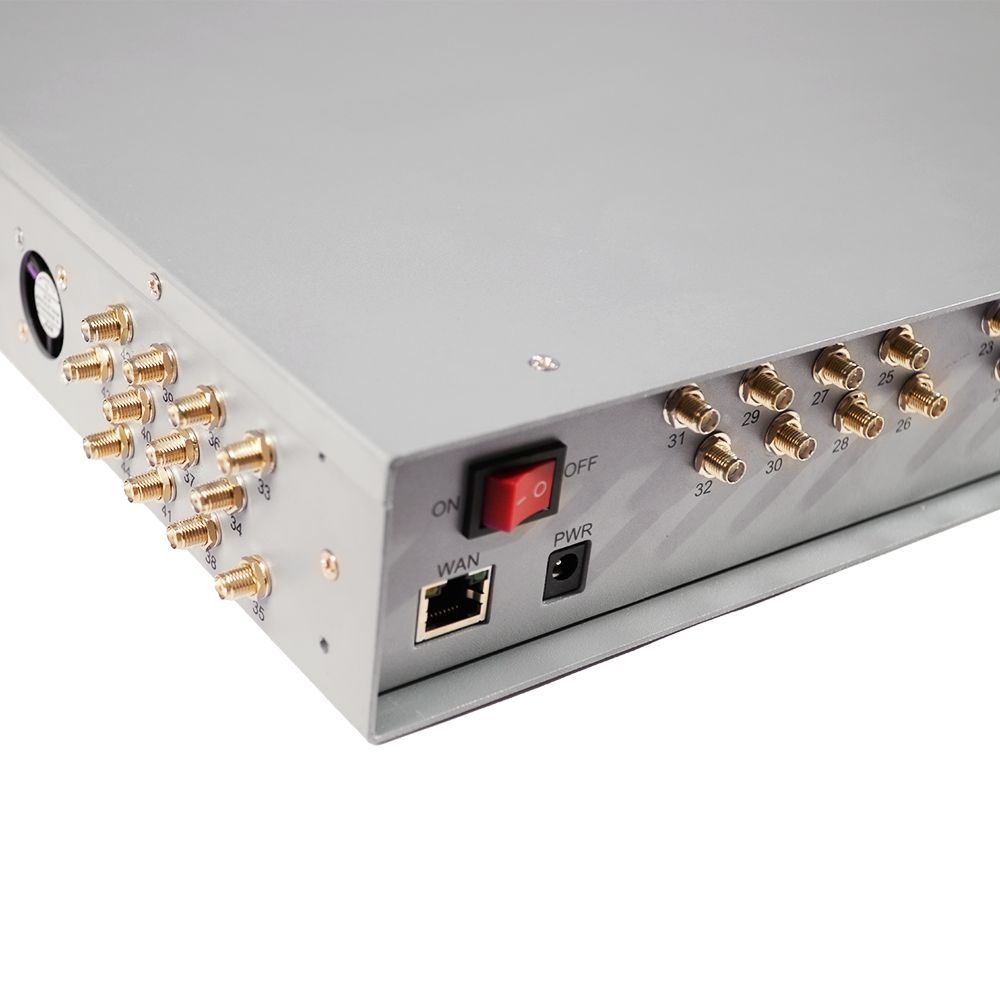
Supply continuity has two dimensions. The first is the model itself: whether the unit ordered for a project will still be orderable when the same project is repeated, extended or serviced. The second is the component behind it: whether spares are available for units already in the field. Both matter for different reasons, and both are answerable in writing before a project is awarded.
Lead times deserve to be treated as a real specification rather than a nuisance. A quoted lead time that assumes a standard order can stretch when a client’s programme moves forward, and an integrator who has promised a date is carrying that risk. Asking for typical and worst-case lead times, and for the conditions under which the worst case occurs, gives a figure that can be planned against rather than a number that can only be hoped for.
The practical arrangement for a multi-site integrator is a small stock of the models in most frequent use, held against the support obligation rather than against a project. The size of that stock is a commercial decision, but the ability to hold it depends on spares remaining available, which is a vendor question.
Product roadmap and firmware maintenance
Firmware maintenance is a service, and it has to be assessed as one.
A device that receives no firmware updates accumulates defects that will never be fixed, and the integrator inherits them. The question to ask is not whether updates exist but how often they are issued, how a defect reported by a customer is tracked and resolved, and whether a fix is made available to existing units or only shipped in new ones. A vendor that can describe the last three fixes it issued, and what prompted them, is maintaining a product. A vendor that cannot is selling one.
The roadmap matters for a different reason. An integrator who has built a practice around a product line needs to know that the line continues, that the next model addresses the growth their clients will need, and that the interfaces remain compatible so that existing configurations continue to work. Sudden changes to management interfaces or export formats are expensive for an integrator in a way that they are not for a single-site buyer, because they multiply across every client.
Operational practices around the firmware itself belong to the integrator, and the general discipline described in NIST SP 800-123 applies to the systems that administer an estate as much as to a single device. Recording versions, testing on one unit before rolling out, and keeping a rollback path are the habits that make vendor-published updates an asset rather than a risk.
Commercial terms that matter to a channel
The terms that decide whether a channel relationship works are rarely the headline price.
Four items carry more weight than a small difference in unit cost. The first is margin stability: whether the price the integrator buys at is protected for the duration of a project, because a price change after a quotation has been accepted is absorbed by the integrator. The second is warranty handling, including whether a failed unit is replaced from the integrator’s own stock and credited afterwards, which determines how quickly the client’s problem is closed.
The third is technical support entitlement: whether support is included with a purchase, and for how long after it. Where support is metered or expires quietly, the integrator discovers the arrangement at the worst moment. The fourth is the route for a genuinely defective unit, including who pays for the return and what happens if the replacement fails. Those are unglamorous questions and they are the ones that separate a supplier from a partner.
Warranty duration is worth reading against the failure behaviour of the product rather than in isolation. A long warranty on an unreliable product is a slow remedy for a recurring problem; a shorter warranty with a fast replacement path is often the better arrangement operationally. The same ordering applies to the commercial negotiation: establish the support route first, then the price.
An evaluation framework
The framework compares suppliers on what an integrator has to warrant rather than on specifications alone. Each item produces a commitment that can be tested in a sample or a pilot, and the sequence follows the order in which those commitments are made.
- Specification completeness, including environmental class, power requirements and signalling behaviour.
- Documentation package: port mapping, alarm list, update and rollback, export format, failure behaviour.
- Three routine tasks completed using documentation alone, with ambiguities recorded.
- Support tiers, up to and including access to engineering, with the escalation path in writing.
- Time-zone overlap with the integrator’s own support hours and the client’s operating hours.
- Typical and worst-case lead times, and the conditions that produce the worst case.
- Firmware maintenance record, including the most recent fixes and what prompted them.
- Roadmap continuity and compatibility of management interfaces across models.
- Margin protection for the duration of a project, and warranty handling with replacement route.
- Spares availability for units already in the field, and the stock the integrator will hold.
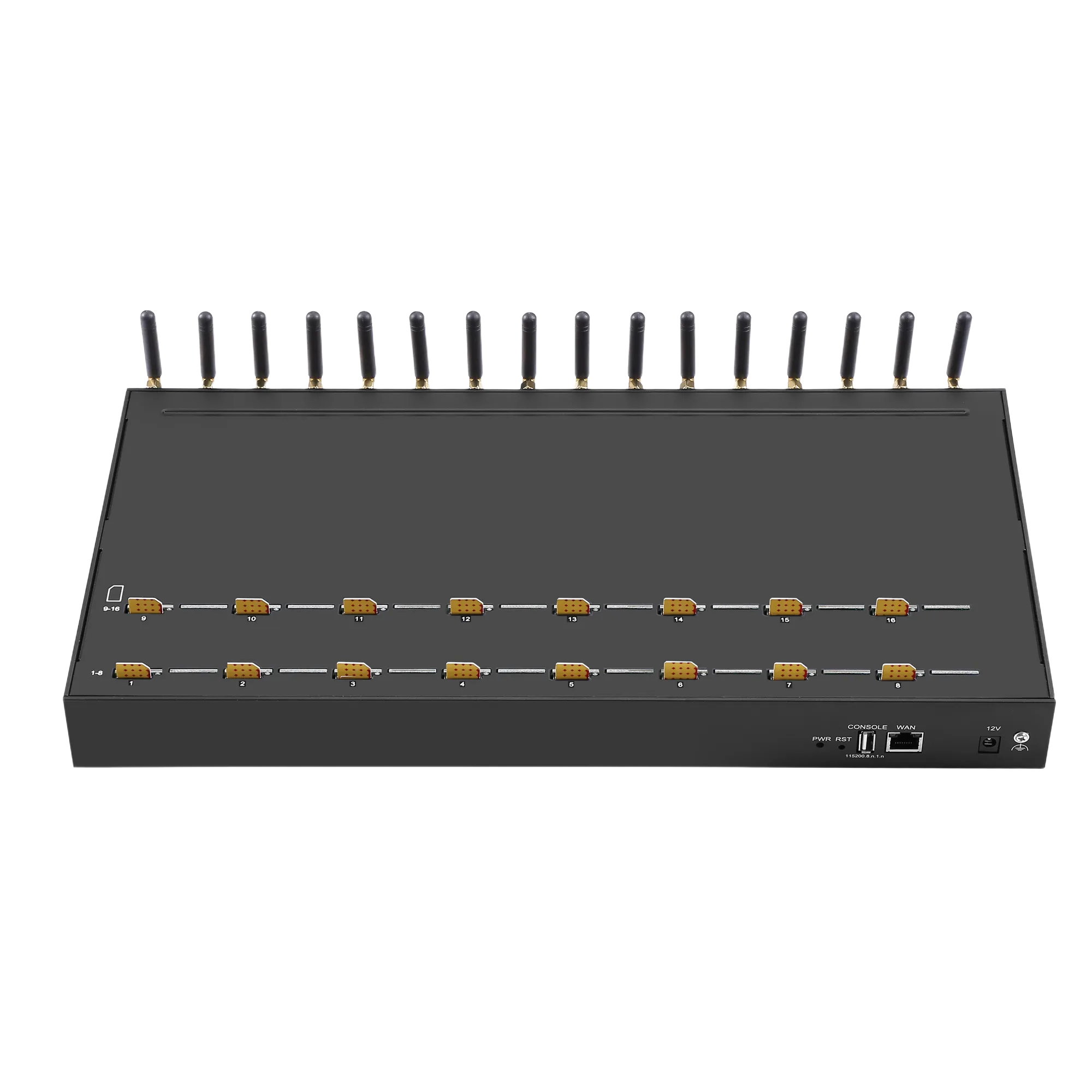
Choose the vendor you can support through, not just the unit you can sell. Send your support commitments, client operating hours and spares requirements to service@telarvo.com, or review the published configurations on the SMS gateway range and the about page. Telarvo publishes the SK-SMS gateway range, the TYH modem pools and the TGW SMS machine on its product pages, and the configurations referenced above come from those listings.
FAQ
What should an integrator check first when choosing a gateway vendor?
The documentation package, because it determines the support cost of every year that follows. Check that the port mapping, alarm list, firmware update procedure with rollback, and configuration export format are all present, then attempt three routine tasks using documentation alone and record every point of ambiguity. Those ambiguities become support calls on a client site. Confirm which of the two the client will actually rely on, because that determines the support terms.
How important is access to engineering support?
It is the tier that decides whether difficult problems get closed. Front-line support handles routine matters and second-line confirms defects, but a specific firmware behaviour or a signalling interaction with a particular PBX is only resolved by an engineering function. Establishing that the escalation path exists, and how to use it outside working hours, is worth doing before a project rather than during an incident.
Why does firmware maintenance matter to an integrator more than to a single buyer?
Because defects multiply across clients. A fault that a single-site buyer experiences once will be experienced at every site the integrator maintains, and a management interface or export format that changes without warning has to be re-learned and re-documented across the whole practice. A vendor that can describe its recent fixes and what prompted them is maintaining a product line rather than selling units.
Which commercial terms matter most to a channel?
Margin protection for the duration of a project, a warranty handling route that replaces a failed unit quickly rather than starting a claim, clarity about whether support is included and for how long, and a defined process for a genuinely defective unit including who pays for the return. Those matter more than a small difference in unit price, because each of them converts directly into cost when it goes wrong.
{
“@context”: “https://schema.org”,
“@type”: “FAQPage”,
“mainEntity”: [
{
“@type”: “Question”,
“name”: “What should an integrator check first when choosing a gateway vendor?”,
“acceptedAnswer”: {
“@type”: “Answer”,
“text”: “The documentation package, because it determines the support cost of every year that follows. Check that the port mapping, alarm list, firmware update procedure with rollback, and configuration export format are all present, then attempt three routine tasks using documentation alone and record every point of ambiguity. Those ambiguities become support calls on a client site. Confirm which of the two the client will actually rely on, because that determines the support terms.”
}
},
{
“@type”: “Question”,
“name”: “How important is access to engineering support?”,
“acceptedAnswer”: {
“@type”: “Answer”,
“text”: “It is the tier that decides whether difficult problems get closed. Front-line support handles routine matters and second-line confirms defects, but a specific firmware behaviour or a signalling interaction with a particular PBX is only resolved by an engineering function. Establishing that the escalation path exists, and how to use it outside working hours, is worth doing before a project rather than during an incident.”
}
},
{
“@type”: “Question”,
“name”: “Why does firmware maintenance matter to an integrator more than to a single buyer?”,
“acceptedAnswer”: {
“@type”: “Answer”,
“text”: “Because defects multiply across clients. A fault that a single-site buyer experiences once will be experienced at every site the integrator maintains, and a management interface or export format that changes without warning has to be re-learned and re-documented across the whole practice. A vendor that can describe its recent fixes and what prompted them is maintaining a product line rather than selling units.”
}
},
{
“@type”: “Question”,
“name”: “Which commercial terms matter most to a channel?”,
“acceptedAnswer”: {
“@type”: “Answer”,
“text”: “Margin protection for the duration of a project, a warranty handling route that replaces a failed unit quickly rather than starting a claim, clarity about whether support is included and for how long, and a defined process for a genuinely defective unit including who pays for the return. Those matter more than a small difference in unit price, because each of them converts directly into cost when it goes wrong.”
}
}
]
}