An industrial SMS modem and a consumer mobile hotspot are compared because both hold a SIM and neither is expensive. They are built for different jobs, and the difference becomes visible the first time a deployment depends on one of them for something other than internet access.
This article sets out what each device is designed to do, how they differ on SIM handling, message capability, continuous operation and management, and where a hotspot is entirely sufficient rather than merely cheaper.
What is an industrial SMS modem versus a consumer mobile hotspot designed to do?
One carries data; the other carries messages.
A hotspot exists to provide internet access to nearby devices, while an industrial modem exists to send and receive messages and, usually, to be managed as part of an estate.
The distinction is functional rather than one of quality. A hotspot shares a cellular data connection over a local wireless network, and its software is written around that purpose: connection profiles, client management and battery or power behaviour for portable use. An industrial modem exposes a command interface and, in a pool, a message-oriented interface that a platform can drive directly. Neither is a degraded version of the other; they are answers to different questions.
Where the two overlap is at the radio. Both hold a subscription and register on the network, and the states they pass through are defined in 3GPP TS 24.301. Everything above that layer diverges, which is why a comparison based on radio capability or on price per unit ends up describing neither device accurately.
| Requirement | Consumer hotspot | Industrial SMS modem |
|---|---|---|
| Internet access for nearby devices | Core purpose | Not the purpose |
| Programmatic message sending | Not normally exposed | Core purpose |
| Multiple SIM slots | One, or two for failover | Many, in pools |
| Continuous operation | Designed for intermittent use | Designed for continuous use |
| Per-device management | Local interface | Remote, at estate scale |
SIM handling and multi-number operation
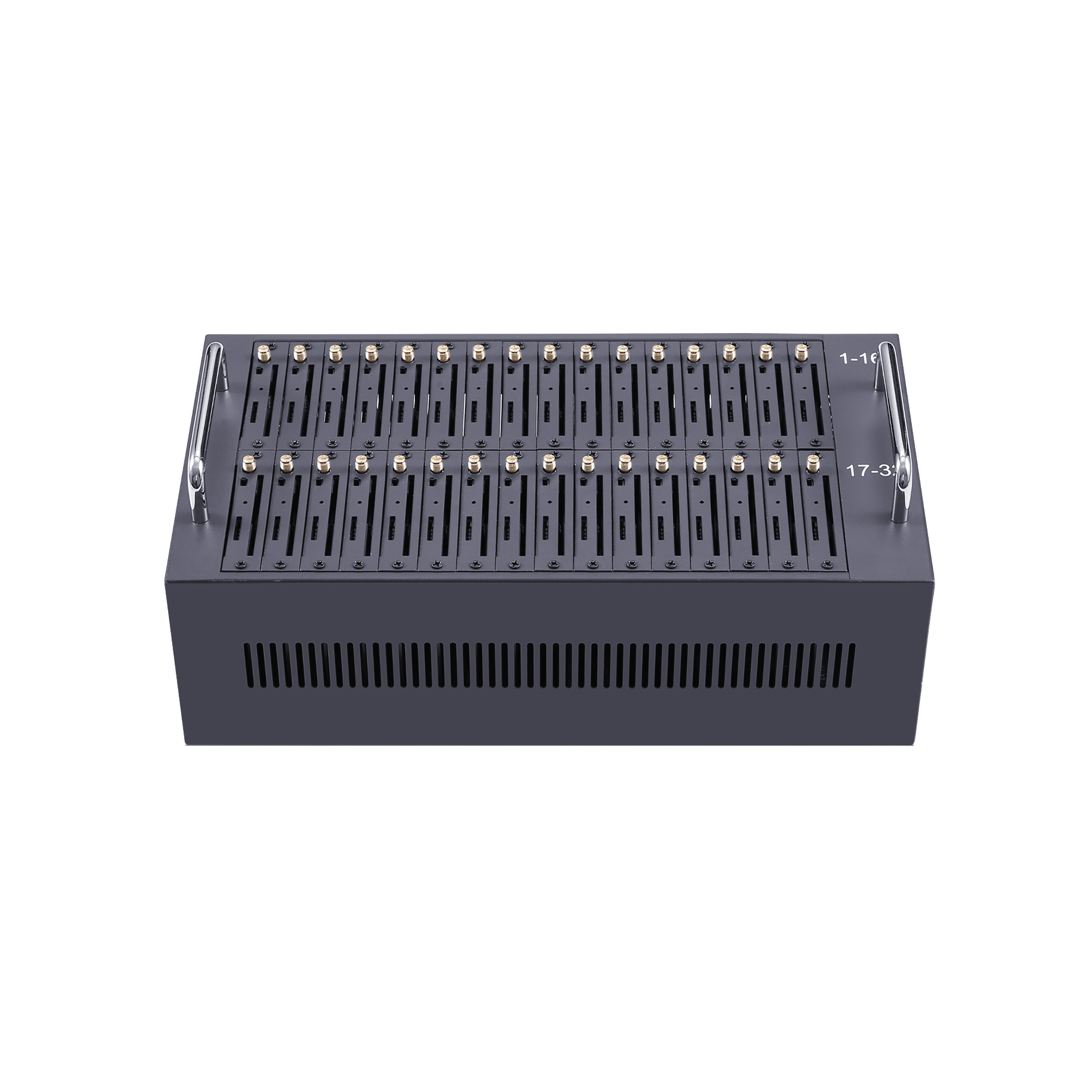
The pool is what an industrial modem manages.
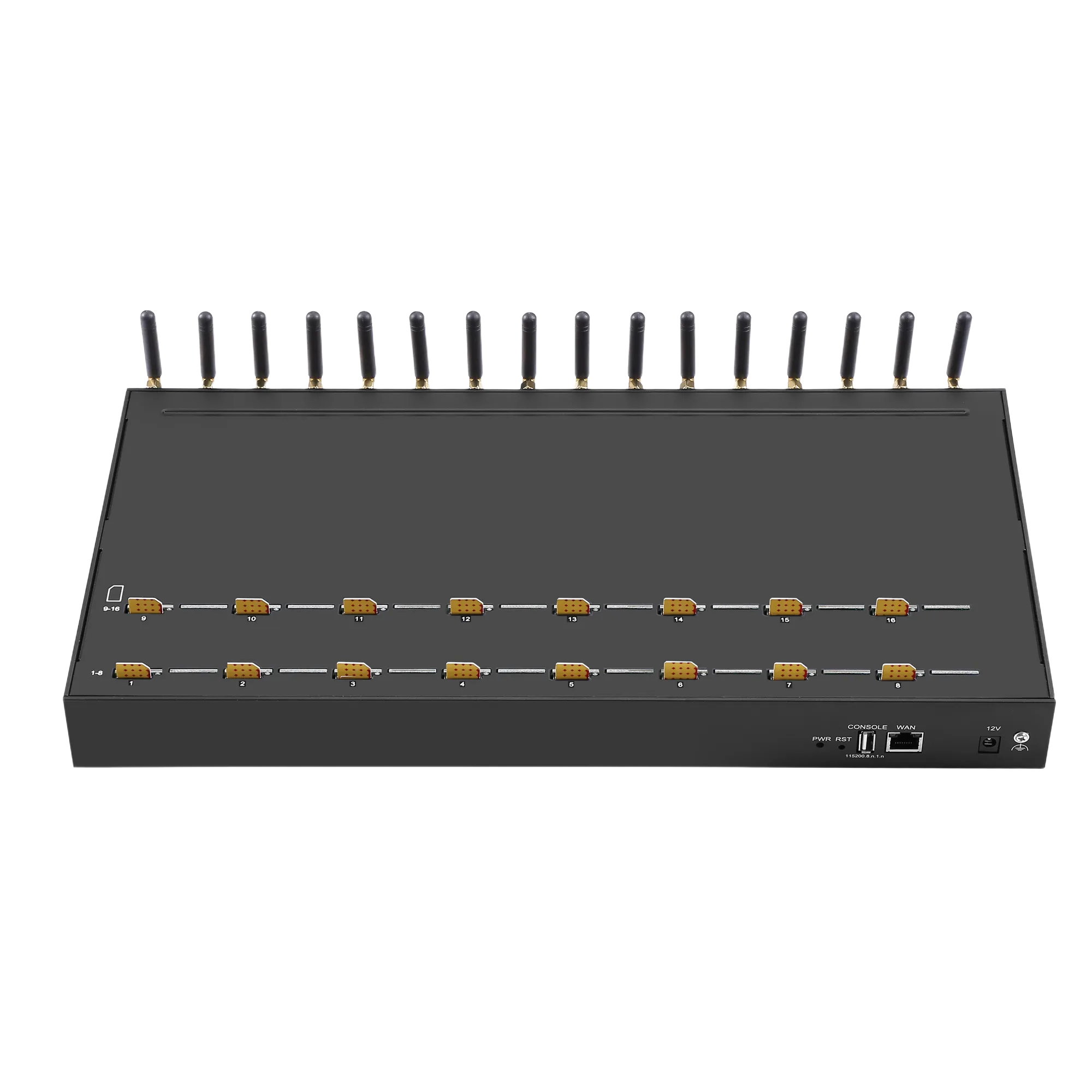
An industrial pool treats the SIM estate as the thing being operated, which changes what the device exposes and what the deployment can control.
Where multiple cards are in service, the operational questions are which card sent which message, how much each card has carried, and how traffic is distributed across them. Answering those requires per-slot state and per-message association, which is what the command interfaces standardised in ETSI TS 127 005 and 3GPP TS 27.005 are used for. A hotspot holds a card; it does not operate a pool.
That difference also determines whether a rotation policy can be enforced. Rotating traffic across cards requires the platform to know which card is in which slot and to be able to address them individually, and a device that presents a single uplink cannot do either. Where the deployment’s traffic profile requires distribution across numbers, the hotspot is not a cheaper option; it is not an option.
Can a hotspot send and receive messages?
Sometimes, and not reliably enough to depend on.
Some hotspots expose limited messaging through a local interface, but the capability is designed for occasional use rather than for programmatic volume.
Where messaging exists on consumer equipment, it is usually reachable through a local screen or a limited interface, without the identifiers or receipts a platform needs to reconcile anything. That limitation matters more than the sending itself: a message that cannot be matched to its outcome is a message whose delivery cannot be proven, which is the point at which most business messaging requirements are actually defined.
The message layer that a proper integration depends on is defined in ETSI TS 123 040, and the status reporting it describes is what makes a per-message record possible. Where a device does not expose an interface that reports at that level, the deployment cannot produce the record, and no amount of scripting changes that.
Continuous operation and thermal design
Portable equipment assumes it will be idle.
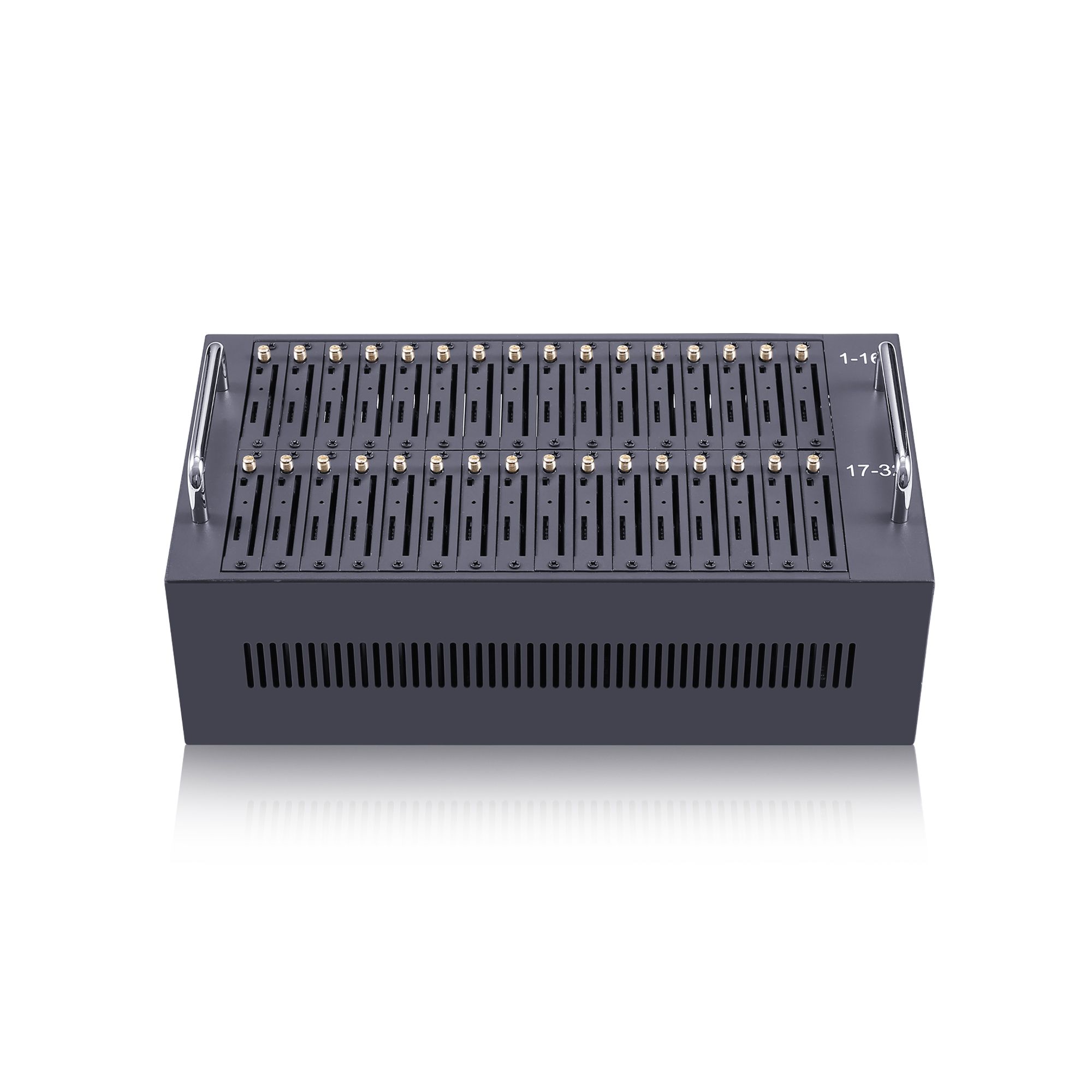
A hotspot is designed to run on a battery and to spend most of its life idle, while an industrial modem is designed to transmit continuously in a fixed installation.
The difference appears as thermal margin and as power design rather than as a specification figure. A unit with little margin works correctly in a cool room and fails intermittently in a warm cabinet, and the failures look like software faults because the device recovers when it cools. The environmental conditions telecommunications equipment may be expected to tolerate are addressed in ITU-T K.21, and the radio characteristics under load are described in 3GPP TS 45.005.
The practical test is the same one that applies to any candidate device: run it at the intended load, in the intended location, for a week, and record what happens. A hotspot that has never been asked to transmit continuously has not demonstrated anything about a deployment that will ask it to do so for years. Where the equipment claims conformance to a harmonised terminal standard such as ETSI EN 301 511, the conditions behind that claim are the conditions the installation should reproduce.
One practical consequence is worth stating plainly: a deployment that starts on consumer equipment and later moves to a pool is not migrating hardware, it is rebuilding the operational layer. Message identifiers, per-slot records and rate controls all arrive with the new device, and the integration work is the same as a first build. Where that transition is foreseeable, the cost belongs in the original comparison.
Record the decision with its reasons. A table of requirements and answers survives a change of staff, and it prevents the same comparison being repeated a year later with a different conclusion and no way to tell which reasoning was right.
Management and attribution
One is managed by a person, the other by a platform.
Attribution is the capability that decides most operational questions, and it is the capability consumer equipment does not provide.
An industrial pool records which slot sent a message, when, and with what result, and that record is what allows an operator to answer a customer, a carrier or a colleague without reconstructing events from memory. Record-keeping practice for operational logs, including retention, is covered in NIST SP 800-92. A hotspot records connection events, which answers a different question entirely.
Management scale is the second difference. An estate of consumer devices is managed one at a time through a local interface, while pool equipment is designed to be monitored and configured as a group. Where the deployment is one device, that distinction is irrelevant; where it is twenty, it is the reason the estate is manageable or not.
When is a hotspot entirely sufficient?
When the requirement is connectivity rather than messaging.
A hotspot is the right answer when the job is to give nearby equipment internet access, and nothing about the deployment depends on sending messages or on proving that they were sent.
Three cases qualify. A temporary installation where the equipment will be removed before durability matters. A backup uplink that carries data rather than messages and is not in the path of a commitment. And a single-site deployment where one connection is enough and the failure of that connection is an inconvenience. In each case, industrial equipment buys capability that will not be used.
The judgement to avoid is treating a hotspot as a modem because both accept a SIM. The radio may be identical and the rest is not: message interfaces, per-slot state, per-message records and continuous operation are the differences that appear after deployment rather than before it.
A decision table
The table works from the requirement downwards, so the first line decides most cases. It is deliberately narrow: it compares the two device classes on the capabilities a deployment depends on, and it does not attempt to rank models within either class.
- Is the requirement internet access or message delivery?
- Does the deployment operate more than one SIM, and does it need per-SIM state?
- Must individual messages be attributable to a slot and an outcome?
- Will the device transmit continuously, in what ambient conditions, for how long?
- How many devices will be managed, and by how many people?
- How long is the device expected to stay in service, and who supports it over that period?
The list is short because the decision usually turns on the first and third items. Where a deployment must attribute individual messages, no consumer device will satisfy it; where it does not, an industrial modem is capability that will go unused. The definitional questions that accompany this comparison — what an SMS modem is, and what distinguishes it from a modem in general — are answered by the interface it exposes rather than by the radio it contains.
Two further considerations appear after the decision rather than during it. The first is the SIM tariff: consumer and industrial subscriptions differ in what they permit, and a device that is suitable for the workload may still be operated on a subscription that is not. The second is the support horizon, because a consumer device depends on the manufacturer continuing to publish updates for that model while industrial equipment is usually procured with a support expectation attached.
Where the answer is genuinely marginal, deploy the consumer device in the least critical position first and measure it. A week of real traffic answers the questions a specification cannot: whether it holds its connection, whether it runs warm, and whether anything in the operation depends on a record it does not produce.
Decide on the requirement, not on the price of a SIM slot. Send your messaging requirement, SIM count and site list to service@telarvo.com, or review the published configurations on the SMS modem range and the SMS modem solution page. Telarvo publishes the SK-SMS gateway range, the TYH modem pools and the TGW SMS machine on its product pages, and the configurations referenced above come from those listings.
FAQ
What is an SMS modem?
It is a device that holds a subscriber identity and exposes an interface for sending and receiving short messages, either individually or as part of a pool. What distinguishes it from a general cellular modem is the messaging interface and the per-message reporting it provides, not the radio it contains. The same radio appears in both classes of product, so the interface is the specification that matters.
Can I use a hotspot as an SMS modem?
Only in the limited sense that some hotspots offer occasional messaging through a local interface. They do not expose the per-message identifiers or receipts an integration needs, and they do not operate multiple SIMs. For anything that has to be reconciled or attributed, a hotspot is not a substitute. The gap is not performance; it is the absence of the identifiers the integration is built on.
Is an industrial modem simply more expensive for the same hardware?
No. The differences are in message interfaces, per-slot state, continuous-operation design and remote management. A consumer device with the same radio would still lack those, and they are the capabilities deployments actually depend on. Compare capability rather than unit price. A price advantage that removes attribution and remote management is a cost transferred to operations. Compare the two on the capabilities the deployment depends on, and let the price follow that comparison.
How do we test whether a device is suitable before committing?
Run it at the intended load, in the intended location, for a week, and check whether the messages it sends can be attributed to a slot and an outcome. Those two elements, durability under sustained load and per-message attribution, decide most suitability questions before any other specification is considered. Record both results so the comparison with another device uses the same measures.
{
“@context”: “https://schema.org”,
“@type”: “FAQPage”,
“mainEntity”: [
{
“@type”: “Question”,
“name”: “What is an SMS modem?”,
“acceptedAnswer”: {
“@type”: “Answer”,
“text”: “It is a device that holds a subscriber identity and exposes an interface for sending and receiving short messages, either individually or as part of a pool. What distinguishes it from a general cellular modem is the messaging interface and the per-message reporting it provides, not the radio it contains. The same radio appears in both classes of product, so the interface is the specification that matters.”
}
},
{
“@type”: “Question”,
“name”: “Can I use a hotspot as an SMS modem?”,
“acceptedAnswer”: {
“@type”: “Answer”,
“text”: “Only in the limited sense that some hotspots offer occasional messaging through a local interface. They do not expose the per-message identifiers or receipts an integration needs, and they do not operate multiple SIMs. For anything that has to be reconciled or attributed, a hotspot is not a substitute. The gap is not performance; it is the absence of the identifiers the integration is built on.”
}
},
{
“@type”: “Question”,
“name”: “Is an industrial modem simply more expensive for the same hardware?”,
“acceptedAnswer”: {
“@type”: “Answer”,
“text”: “No. The differences are in message interfaces, per-slot state, continuous-operation design and remote management. A consumer device with the same radio would still lack those, and they are the capabilities deployments actually depend on. Compare capability rather than unit price. A price advantage that removes attribution and remote management is a cost transferred to operations. Compare the two on the capabilities the deployment depends on, and let the price follow that comparison.”
}
},
{
“@type”: “Question”,
“name”: “How do we test whether a device is suitable before committing?”,
“acceptedAnswer”: {
“@type”: “Answer”,
“text”: “Run it at the intended load, in the intended location, for a week, and check whether the messages it sends can be attributed to a slot and an outcome. Those two elements, durability under sustained load and per-message attribution, decide most suitability questions before any other specification is considered. Record both results so the comparison with another device uses the same measures.”
}
}
]
}