A survey is a sampling exercise before it is a messaging exercise. The hardware question only becomes answerable once the sample size, the response window and the inbound path are fixed, and the inbound path is the one that usually decides whether the project is feasible.
This article sets out how survey volume, response window and sample design determine the estate, why reply handling matters more than send rate, how pacing protects response validity, and how responses are reconciled with the sample they came from.
What decides whether a nationwide survey is feasible with a 64-port modem?
The response window and the reply path.
Sample size sets the volume, the window sets the send rate, and the reply path sets whether responses can be captured and attributed at all.
The arithmetic on the send side is the same as any campaign: a sample of fifty thousand with a two-day window needs a sustained rate rather than a burst, and the rate requirement is modest because the window is long. The reply side is where surveys differ from campaigns. Every respondent who replies creates an inbound message that has to be received, matched to the sample record and stored with its answer, and a survey that generates a ten per cent response rate is receiving five thousand inbound messages in the same window it is sending fifty thousand outbound.
That inbound load is the reason a survey cannot be planned as a one-way broadcast. The message framework that carries both directions is defined in ETSI TS 123 040 and 3GPP TS 23.040, and the inbound direction has to be part of the design rather than an afterthought.
| Design input | What it sets | Where it comes from |
|---|---|---|
| Sample size | Outbound volume | Survey methodology |
| Response window | Required send rate | Project plan |
| Expected response rate | Inbound volume | Prior surveys or pilot |
| Reply path | Whether responses can be captured | Design decision |
| Anonymity requirement | What may be linked to whom | Methodology and ethics |
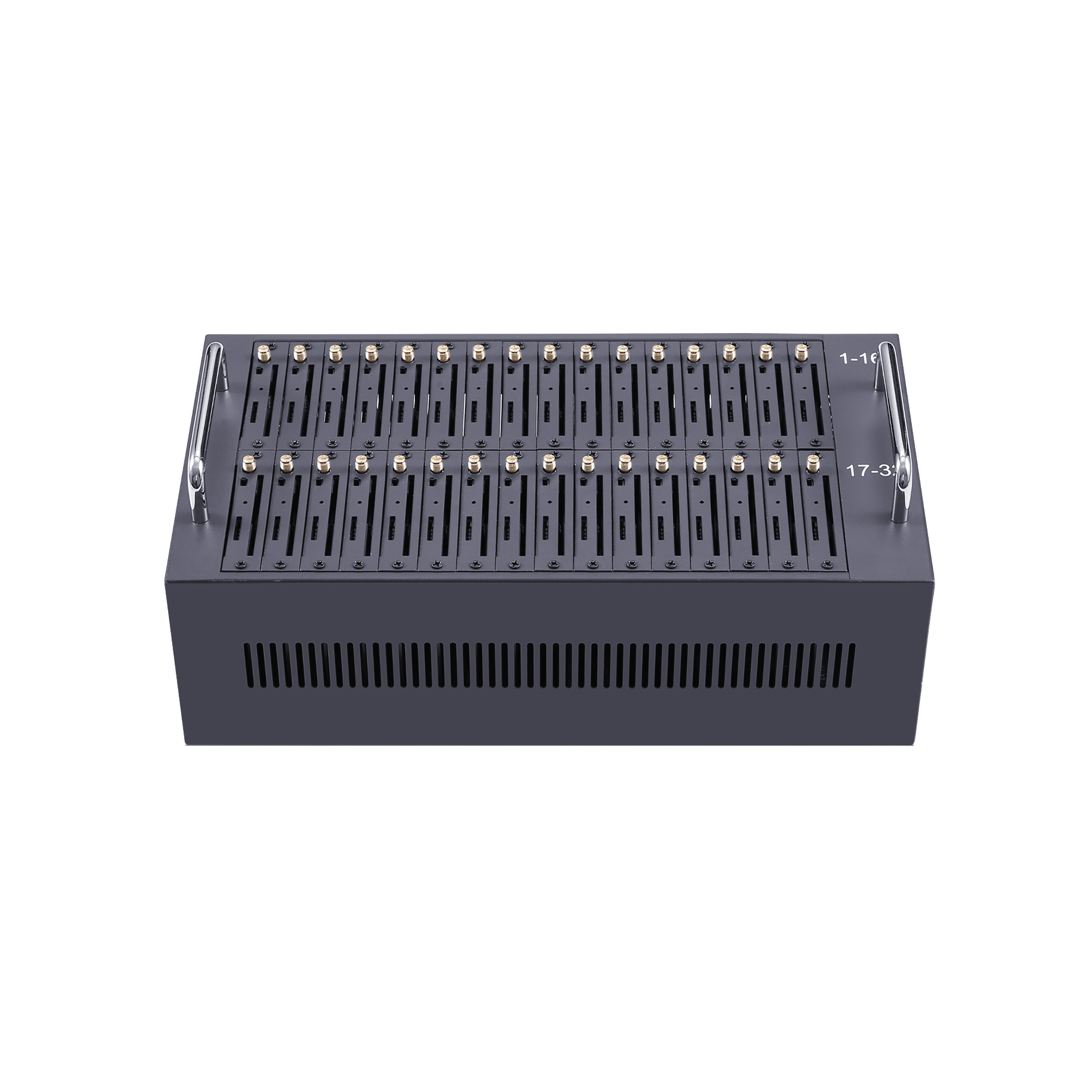
Why does inbound reply handling decide feasibility?
Because an uncaptured reply is a lost response.
A survey whose replies arrive in an unmonitored inbox has a response rate on paper and no usable data, and the loss is discovered only at analysis time.
Three arrangements capture replies. A dedicated number per survey, where all responses arrive in one place and are exported on a schedule, is the simplest and the easiest to reconcile. A shared inbound number with a reference in the message body requires the reference to be parsed reliably, which works but depends on respondents not editing the text. An instruction to reply through a web form moves the response off the messaging channel entirely and changes the response rate, usually downward in the markets where messaging is the convenient channel.
The choice also determines the anonymity position. A reply arriving from a number identifies the respondent, so a survey that promises anonymity must either not collect the number or must separate it from the response at the point of receipt. That separation is a design requirement rather than a policy statement, and it is far cheaper to build than to reconstruct. Where the processing falls within the European framework, the reference points are the regulation on EUR-Lex and the guidance collected by the European Data Protection Board.
Two-way capability as a requirement
It is not a feature; it is the survey instrument.
A one-way estate can send invitations and cannot collect responses, so two-way operation belongs in the specification rather than in an optional list.
Two-way capability means three things in practice. The estate must be able to receive messages on numbers that respondents can reply to, which affects the number strategy rather than the port count. Replies must be retrievable through an interface rather than only through a management screen. And the platform must be able to associate a reply with the invitation that produced it, which requires an identifier carried in the outbound message or a dedicated number for the survey.
Where the deployment uses a pool rather than a single number, the reply path has to be designed for the pool. Each outbound number should be able to receive the reply to the message it sent, and the platform should route replies to a common store. That is achievable where the platform exposes inbound delivery through an interface, and it is the reason the two-way requirement should be confirmed against the equipment rather than assumed from the marketing description.
Pacing to preserve response validity
A survey measures a population, not a queue.
If the fastest respondents are systematically different from the slowest, sending at maximum rate biases the sample toward one group.
That is a methodological point with an engineering consequence. Surveys commonly show that the first responses differ from later ones, and the common advice to spread invitations across times of day exists because both the send time and the response time affect who answers. A deployment that empties its queue in the first hour therefore produces a sample skewed toward the people who happened to be reachable then.
Where the methodology calls for even distribution, the send rate should be shaped to the intended schedule rather than set to the maximum the estate can sustain. That is a change to the queue policy rather than to the hardware, and it should be documented because it is the kind of constraint that a later performance review would otherwise remove as an inefficiency. The subscription states that affect when a message can be delivered are defined in 3GPP TS 24.301.
One further design decision belongs here: what a respondent who does not want to take part should do. A one-word reply that the survey recognises as a withdrawal is kinder than silence, and it produces a cleaner record than an attempt to infer intent from non-response. Advise respondents in the invitation how to decline, and treat the resulting list as a suppression list rather than as a low response rate.
The last consideration is cost, which for a survey is dominated by the response rather than by the invitation. A respondent who replies creates an inbound message, and where the tariff charges for inbound traffic the response rate has a direct cost that scales with success. That is worth modelling before the sample size is fixed, because the most expensive outcome for a survey budget is a response rate higher than the one the cost model assumed.

Consent and anonymity in survey messaging
The consent basis for a survey is not the same as for marketing.
A research invitation is usually sent to a sample under a research basis rather than a marketing permission, and the two should not be conflated in the record.
The practical requirement is a record that names the basis on which each contact was included in the sample, so that the survey can be defended on its own terms. Where the sample came from a consent-based list, the consent should be checked against the survey purpose. Where it came from a public source or a partner, the basis should be recorded at the point of sample construction. The distinction matters most at analysis time, when the survey’s validity depends on being able to describe how the sample was drawn.
Anonymity has an engineering counterpart that is easy to miss: the record of who was invited is not anonymous, even if the responses are. Separating the invitation list from the response data, and keeping the identifier used for reconciliation rather than the respondent’s number, is what makes an anonymity promise true rather than nominal. Record-keeping practice for the logs involved is covered in NIST SP 800-92.
Reconciling responses with the sample
Fieldwork is only finished when the sample can be accounted for.
Reconciliation matches every invitation to an outcome: delivered with a response, delivered without one, undelivered, or opted out.
That reconciliation is what allows a response rate to be stated honestly, because a rate calculated against the sent volume includes numbers that never received anything. The four categories above are the minimum useful set, and they come from joining the delivery record with the response store on the identifier carried through both. Where the platform supplies per-message status and an inbound interface, the join is a scheduled job rather than a manual exercise.
The reconciliation also produces the operational data the next survey needs: which destination areas delivered poorly, what the actual response rate was, and how many invitations were undeliverable. Recording those figures with the survey makes the next sample design and the next capacity estimate more accurate than an assumption would be.
A project outline
The outline sequences a survey project from the sample definition to the reconciliation of responses. It treats the inbound path as the binding constraint, so the reply handling is designed before the send is sized.
- Fix the sample size, the response window and the expected response rate.
- Choose the reply path and confirm that the estate supports it.
- Decide the anonymity position and separate the invitation list from the response data accordingly.
- Record the basis on which each contact is included in the sample.
- Set the send rate from the methodology rather than from the maximum achievable rate.
- Reconcile invitations against outcomes in four categories before reporting.
- Keep the reconciliation result with the survey for the next design.
The outline produces a survey plan rather than a messaging plan, which is the correct output for a research project. The estate appears in it as one of the constraints rather than as the subject, and that framing is what keeps the sample design intact when the sending is scaled up.
Design the reply path before the send rate. Send your sample size, response window and reply requirement to service@telarvo.com, or review the published configurations on the SMS modem range and the SK-SMS Gateway range. Telarvo publishes the SK-SMS gateway range, the TYH modem pools and the TGW SMS machine on its product pages, and the configurations referenced above come from those listings.
FAQ
How many ports are needed for a nationwide survey?
Fewer than most estimates suggest, because surveys usually have days rather than minutes to complete their sends. The binding constraint is usually the inbound reply path rather than the outbound rate, so start the sizing from the expected number of responses rather than from the sample size. The response rate is the figure that drives the design. The invitation volume is usually the smaller of the two figures and the easier one to estimate.
Can respondents answer by text message?
Yes, provided the estate can receive replies on the numbers the invitations were sent from, and the replies can be retrieved through an interface and matched to the sample. Where the platform cannot receive, an online form is the alternative, at the cost of a usually lower response rate. The two options should be compared on measured response rates. Ask for the measured response rate from a previous survey rather than accepting a general figure.
Does a survey need consent from each recipient?
It needs a documented basis for including each contact, which is not always the same as marketing consent. Record the basis at sample construction, and check that any consent already held covers the purpose of the survey. The applicable rules differ by market and are decided by the research owner. Recording the basis at construction keeps the sample defensible. Keep the basis with the sample, because it is the first item a review will ask to see.
How do we keep survey responses anonymous?
By separating the invitation list from the response data. Keep an identifier for reconciliation and avoid storing the respondent number with their answer. Anonymity is a property of the design rather than a statement in the invitation, and the design is what a review will look at. The identifier is what makes the separation practical. Confirm the separation with somebody who understands the review, because the design is judged on the storage layout.
{
“@context”: “https://schema.org”,
“@type”: “FAQPage”,
“mainEntity”: [
{
“@type”: “Question”,
“name”: “How many ports are needed for a nationwide survey?”,
“acceptedAnswer”: {
“@type”: “Answer”,
“text”: “Fewer than most estimates suggest, because surveys usually have days rather than minutes to complete their sends. The binding constraint is usually the inbound reply path rather than the outbound rate, so start the sizing from the expected number of responses rather than from the sample size. The response rate is the figure that drives the design. The invitation volume is usually the smaller of the two figures and the easier one to estimate.”
}
},
{
“@type”: “Question”,
“name”: “Can respondents answer by text message?”,
“acceptedAnswer”: {
“@type”: “Answer”,
“text”: “Yes, provided the estate can receive replies on the numbers the invitations were sent from, and the replies can be retrieved through an interface and matched to the sample. Where the platform cannot receive, an online form is the alternative, at the cost of a usually lower response rate. The two options should be compared on measured response rates. Ask for the measured response rate from a previous survey rather than accepting a general figure.”
}
},
{
“@type”: “Question”,
“name”: “Does a survey need consent from each recipient?”,
“acceptedAnswer”: {
“@type”: “Answer”,
“text”: “It needs a documented basis for including each contact, which is not always the same as marketing consent. Record the basis at sample construction, and check that any consent already held covers the purpose of the survey. The applicable rules differ by market and are decided by the research owner. Recording the basis at construction keeps the sample defensible. Keep the basis with the sample, because it is the first item a review will ask to see.”
}
},
{
“@type”: “Question”,
“name”: “How do we keep survey responses anonymous?”,
“acceptedAnswer”: {
“@type”: “Answer”,
“text”: “By separating the invitation list from the response data. Keep an identifier for reconciliation and avoid storing the respondent number with their answer. Anonymity is a property of the design rather than a statement in the invitation, and the design is what a review will look at. The identifier is what makes the separation practical. Confirm the separation with somebody who understands the review, because the design is judged on the storage layout.”
}
}
]
}