Healthcare messaging is not distinguished by the technology it uses but by the consequence of a mistake. An appointment reminder sent to the wrong number is a privacy incident, and that is the standard against which both delivery models have to be judged.
This article sets out what makes healthcare messaging different, where personal health information can appear in a message, how the two models handle data and retention, and the questions that belong with the compliance owner rather than with the engineer.
What makes on-premise SMS versus cloud delivery different for healthcare privacy?
The content can be sensitive even when it looks routine.
A reminder that names a clinic, a department or a treatment identifies the recipient as a patient of that service, which is the information the message is supposed to protect.
That is the recognition most deployments arrive at late. The obvious risk is a message that states a diagnosis; the practical risk is a message that states an appointment time at a named specialist clinic, because the content is only sensitive in combination with the recipient and the sender. Designing around that means treating the sender identity, the clinic name and the timing as part of the sensitivity rather than as metadata.
The regulatory framework that applies depends on the jurisdiction and on the nature of the service, and the applicable obligations follow the data rather than the location of any equipment. Where the processing falls within the European framework, the regulation itself is published on EUR-Lex and the guidance that interprets it is collected by the European Data Protection Board. In other markets the equivalent framework will differ, and the compliance owner is the person who decides which one applies.
Where personal health information can appear in a message
In more places than the message body.
The body is the obvious surface, and the recipient number, the sender identity, the clinic name, the appointment time and the delivery record each carry identifying information in combination.
Mapping those surfaces is what allows the delivery model to be chosen sensibly. A reminder that says only “you have an appointment tomorrow” from a generic sender carries less than one that names the department and the clinician. A record that links a number to an appointment time is itself identifying, which is why retention of delivery logs in healthcare deserves the same attention as retention of the messages.
The counter-intuitive part is that some data is not sensitive at all. A count of reminders sent per day, per clinic or per campaign does not identify anyone, and treating it as if it did makes the scope of the review larger than it needs to be. Drawing the line in both directions keeps the analysis both defensible and manageable.
| Surface | Sensitivity | Practical consequence |
|---|---|---|
| Message body | High when it names a condition or a clinician | Shortest retention, highest access control |
| Recipient number plus timing | Identifying in combination | Delivery records need a retention window |
| Sender identity | Can imply the service | Choose an identity that reveals the minimum |
| Delivery and device logs | Identifying when they link a number to an event | Export, retain and delete on a defined policy |
| Aggregate counts | Usually not identifying | Keep it outside the sensitive scope |
Data flow in on-premise and cloud models
One removes an intermediary; both keep the obligation.
In the cloud model a provider processes the message content and addressing data, while in the on-premise model that processing happens inside the organisation’s own environment.
The practical difference for a healthcare deployment is the number of parties that have to be described in a data-flow review and the amount of data that leaves the organisation’s control. An on-premise deployment reduces the second and increases the first, because the organisation becomes responsible for the controls a provider would otherwise operate: access management, log retention, backup handling and secure deletion.
Neither model is inherently more secure, and the claim that one is should be treated with caution. A provider with mature controls and a clear contractual position can be a better answer than an on-premise deployment whose gateway is managed with a shared administrative account. The comparison is between controls, and the control families that structure it are organised in NIST SP 800-53 Rev. 5. The message layer that both models share is defined in ETSI TS 123 040.

Retention and access control
The record is part of the sensitive data.
A delivery log that links a number to an appointment time is identifying data with a retention obligation, and it is usually the longest-lived surface in the deployment.
Three decisions determine whether the retention position is defensible. The first is the window per record type: message content rarely needs the same period as a delivery status, and content is usually the one that should be dropped earliest. The second is where the record lives, because a log kept only on the device has a horizon set by the device rather than by policy. The third is deletion, which has to reach backups and export files rather than only the live database.
Access control follows from the same reasoning. A console with a shared administrative account makes every log entry unattributable, which is a problem in any deployment and a specific one where the records are sensitive. Per-person accounts, a second factor where the console supports it, and an exported log that a review can inspect are the minimum that makes the record useful rather than merely present. Record-keeping practice for operational logs is covered in NIST SP 800-92, and the privacy framework published by NIST offers a structure for organising the inventory that supports it.
How does the delivery commitment differ for appointment and result workflows?
Appointment alerts tolerate minutes; result alerts do not.
The two workflows share the same hardware and differ in what a delay costs, which is what determines how much redundancy each one justifies.
An appointment reminder that arrives an hour late is an inconvenience and a message the patient may still act on. A notification that a result is available is usually accompanied by an expectation that the patient will see it the same day, and a delay pushes the workload onto a call centre. That difference is worth stating explicitly, because it decides whether the deployment needs a second path at all, and which traffic uses it.
Where both workflows share a queue, the appointment volume can delay the result notification. Separating the paths, or reserving capacity for the time-critical workflow, is a design decision rather than a tuning exercise, and it belongs in the same document as the retention policy rather than in a separate operations note.
Questions to settle with your compliance owner
Six questions convert an engineering discussion into an agreed position.
- Which framework applies to this service, in this market, and who is the controller?
- What may the message content contain, and what must it never contain?
- What retention period applies to message content, delivery records and device logs?
- Which parties process the data in each model, and what is the basis for each?
- What has to be produced if a patient exercises an access or erasure right?
- What evidence would the organisation need to show that a message was sent and delivered?
The sixth question is the one that most often changes the architecture, because it determines whether the delivery record has to be producible from the organisation’s own systems. Answering it before choosing a model is cheaper than discovering the requirement during a review.
A decision framework
The framework produces a documented position rather than a preference, and the position should name the data flow, the retention window and the party responsible for each control.
- Map every surface where identifying data appears, including logs and exports.
- Decide the classification of each surface with the compliance owner, not by inference.
- Choose the model from the number of parties acceptable in the chain, not from a general preference.
- Define the retention window per surface and implement deletion that reaches backups.
- Separate time-critical workflows from volume workflows on the delivery path.
- Record the position with an owner and a review date.
Scope note: this article describes engineering data flows and the structure of the obligations; it is not legal or clinical advice, and the applicable framework, retention requirements and consent position depend on the jurisdiction and the service. Confirm them with the organisation’s compliance owner before a deployment is designed.
One further habit makes the position durable: record the agreed answers with a review date and an owner. Healthcare services change, message content changes as products change, and a position agreed two years ago may no longer describe what the deployment does. Reviewing the record against the current workflows is cheaper than discovering the gap during an audit.
Where the two workflows share a platform, the separation can be implemented in the queue rather than in the hardware: a reserved share of capacity for the time-critical workflow, and a routing rule that prevents one class of traffic from occupying the other’s capacity. Recording which arrangement is in force matters, because a separation that exists only in configuration is invisible during an incident and is often the first thing to be undone by a well-intentioned change.
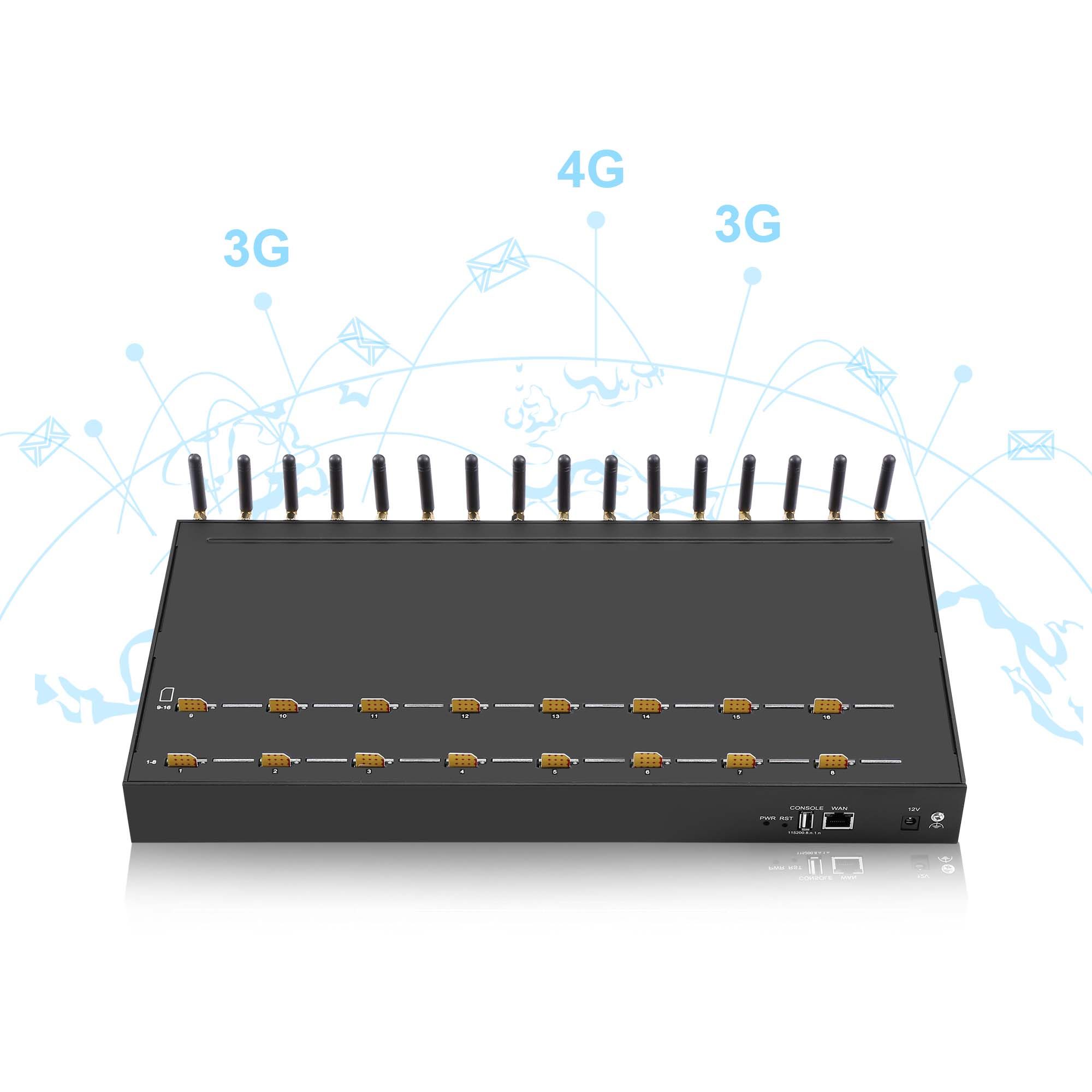
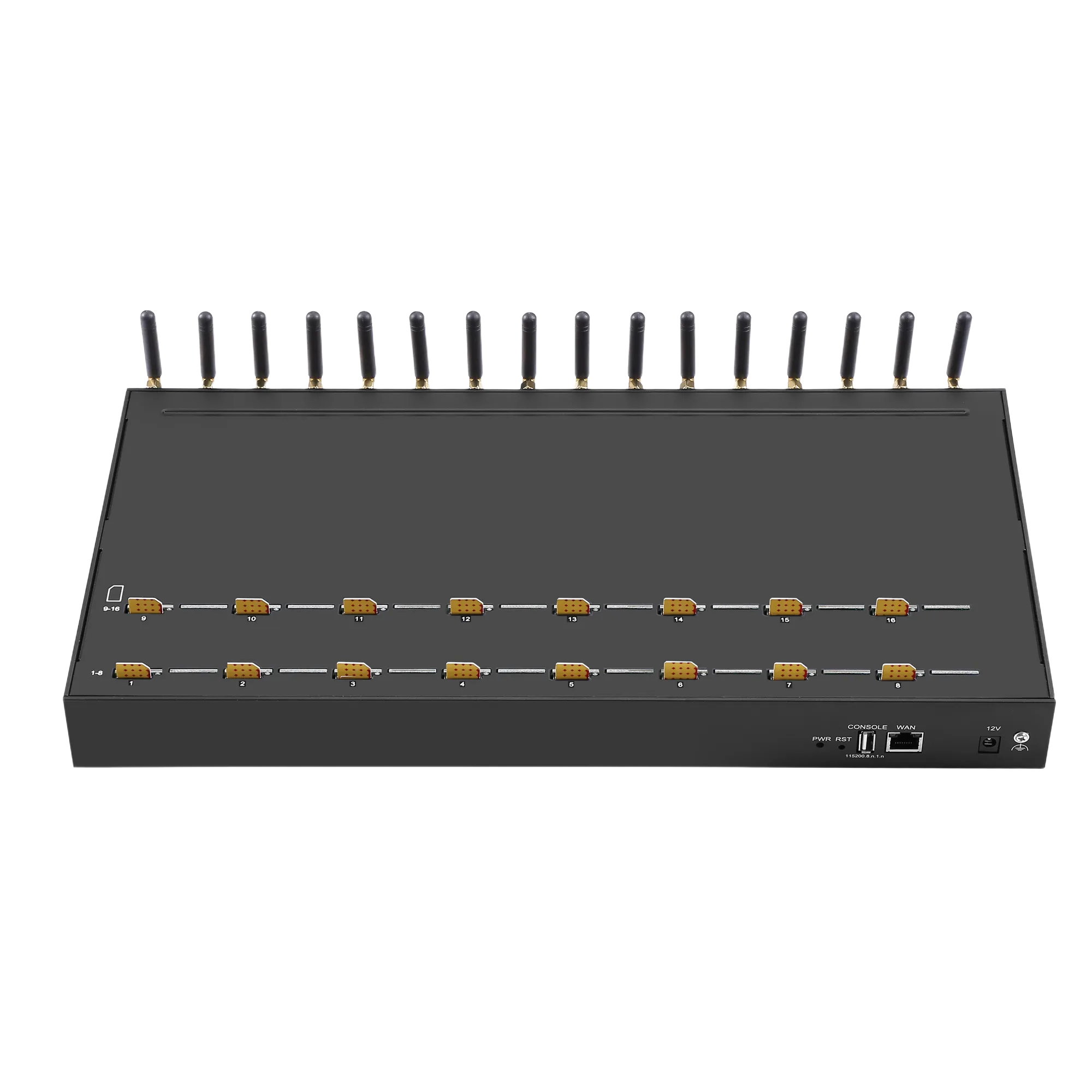
Agree the retention position before the message format. Send your workflow list, market and retention requirements to service@telarvo.com, or review the published configurations on the SMS gateway solution page and the SK-SMS Gateway range. Telarvo publishes the SK-SMS gateway range, the TYH modem pools and the TGW SMS machine on its product pages, and the configurations referenced above come from those listings.
FAQ
Is cloud more secure than on-premise for patient messaging?
Neither is inherently more secure. The comparison is between the controls each arrangement provides and the parties it places in the data path. A provider with mature controls can be a better answer than an on-premise deployment with a shared administrative account, and the reverse is equally true. Assess the controls and the parties rather than the location. Record which of the two you are relying on, because the answer is what a reviewer will ask for first.
Can an appointment reminder be sent without including health information?
Yes, by reducing what the message states. A reminder from a generic sender that names only a time and a reference carries less than one that names a department or a clinician. Decide the minimum content that still lets the patient act, and treat the sender identity as part of that decision. Write the rule down so a template change does not quietly add detail.
How long should delivery records be kept?
That is a decision for the compliance owner, because the record identifies a person in combination with a number and a time. The engineering contribution is to make any chosen window enforceable by exporting the record and by deleting it in backups as well as in the live database. Deletion that misses the backup copies is the most common gap.
Do we need a second delivery path for clinical workflows?
Only for the workflows where a delay changes the outcome. Appointment reminders tolerate minutes; result notifications usually do not. Decide which workflows are time-critical, and reserve capacity or a separate path for those rather than for everything. The classification is a clinical decision as much as a technical one, so it belongs in the same document as the workflow. Where a workflow is time-critical, give it its own capacity rather than competing with the rest of the estate.
{
“@context”: “https://schema.org”,
“@type”: “FAQPage”,
“mainEntity”: [
{
“@type”: “Question”,
“name”: “Is cloud more secure than on-premise for patient messaging?”,
“acceptedAnswer”: {
“@type”: “Answer”,
“text”: “Neither is inherently more secure. The comparison is between the controls each arrangement provides and the parties it places in the data path. A provider with mature controls can be a better answer than an on-premise deployment with a shared administrative account, and the reverse is equally true. Assess the controls and the parties rather than the location. Record which of the two you are relying on, because the answer is what a reviewer will ask for first.”
}
},
{
“@type”: “Question”,
“name”: “Can an appointment reminder be sent without including health information?”,
“acceptedAnswer”: {
“@type”: “Answer”,
“text”: “Yes, by reducing what the message states. A reminder from a generic sender that names only a time and a reference carries less than one that names a department or a clinician. Decide the minimum content that still lets the patient act, and treat the sender identity as part of that decision. Write the rule down so a template change does not quietly add detail.”
}
},
{
“@type”: “Question”,
“name”: “How long should delivery records be kept?”,
“acceptedAnswer”: {
“@type”: “Answer”,
“text”: “That is a decision for the compliance owner, because the record identifies a person in combination with a number and a time. The engineering contribution is to make any chosen window enforceable by exporting the record and by deleting it in backups as well as in the live database. Deletion that misses the backup copies is the most common gap.”
}
},
{
“@type”: “Question”,
“name”: “Do we need a second delivery path for clinical workflows?”,
“acceptedAnswer”: {
“@type”: “Answer”,
“text”: “Only for the workflows where a delay changes the outcome. Appointment reminders tolerate minutes; result notifications usually do not. Decide which workflows are time-critical, and reserve capacity or a separate path for those rather than for everything. The classification is a clinical decision as much as a technical one, so it belongs in the same document as the workflow. Where a workflow is time-critical, give it its own capacity rather than competing with the rest of the estate.”
}
}
]
}