Support quality is one of the few properties of a purchase that cannot be measured before the purchase, which is why the assessment has to be made by asking questions whose answers are hard to fake.
This article sets out why advance assessment is difficult, how coverage and escalation really work, the difference between a first response and a resolution, and the specific questions that reveal what a support arrangement actually is.
Why technical support for VoIP gateways is hard to assess in advance
Because the evidence only appears when something is broken.
Every supplier describes its support as responsive and its engineers as experienced, and none of those descriptions can be verified from a website. What can be observed before purchase is indirect: how quickly an ordinary technical question is answered during a pre-sales conversation, whether the answer addresses the question asked, and whether the person answering is the one who would handle a fault. Those observations are weak individually and quite informative together.
The structural reason support is hard to evaluate is that a fault on a voice gateway is rarely a simple product failure. A call that fails can involve the gateway, the PBX, the SIP provider, the local network and the mobile network, and the interesting cases are the ones where two of those interact. Support quality in this category is largely the ability to work through that interaction, which is a skill rather than a process, and skills are not visible in a service description.
A second reason is that the cost of poor support is delayed. A deployment with weak support runs perfectly well until it does not, at which point the difference between a supplier who can diagnose a problem and one who cannot becomes the difference between an afternoon and a fortnight. That asymmetry is what makes the assessment worth doing carefully rather than quickly.
| What is advertised | What it usually means | What to ask instead |
|---|---|---|
| 24/7 support | An inbox or a ticket system | Who is on duty, in which time zone, and what they can decide |
| Experienced engineers | Unverifiable | Can a question be escalated to the person who wrote the firmware notes |
| Fast response | Time to acknowledgement | Median time to resolution for a fault of this type |
| Full documentation | Undefined | Port mapping, alarm list, update and rollback, export format |
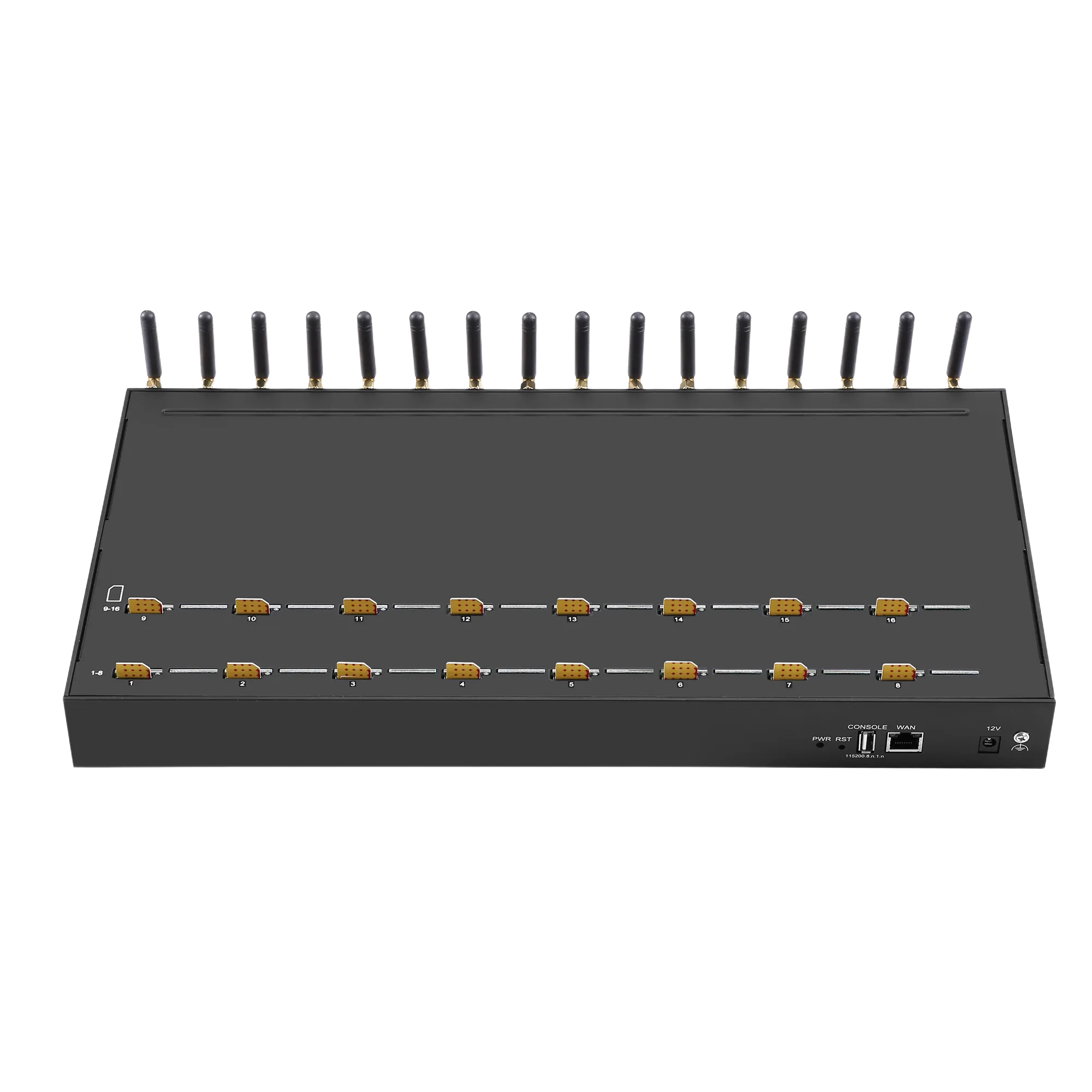
Coverage window and time-zone overlap
The support day has to overlap the hours in which the client operates.
A support function that is excellent during its own business hours and absent outside them is either sufficient or useless depending on where the client is. For a buyer whose deployment runs continuously, the relevant question is what happens at three in the morning local time, and the honest answers range from a staffed desk to an on-call engineer to a ticket that is read the next morning. All three are legitimate arrangements; the problem is only when the buyer assumes one and receives another.
Time-zone overlap is worth writing down as an hours table rather than a narrative. The client’s operating hours, the supplier’s supported hours, and the hours in which no support is available should all appear, with the local times converted rather than left in the supplier’s home time zone. A simple table prevents the misunderstanding that appears at the first out-of-hours incident.
Where continuous coverage is genuinely required, the arrangement should be priced and agreed rather than assumed to be included. Escalation contacts, the authority each tier holds, and the conditions under which the next tier can be invoked are the parts of that arrangement that determine whether it works. A number that rings in an empty office is not coverage.
First response versus resolution
Response time is a process measure; resolution time is the one that matters.
A first response can be generated by a ticket system automatically, and a metric based on it can be excellent while the customer’s service remains down. The figure that describes the support arrangement is how long it takes to reach a resolution or a confirmed workaround, measured from the moment the fault is reported. Support organisations that report only the first figure are usually aware of the distinction and have chosen the more flattering measure.
Three questions produce a more useful picture. What is the median time to resolution for a fault that requires a firmware investigation, as distinct from a configuration question? What proportion of reported faults are resolved at first contact, and what happens to the rest? And how does a fault get closed when the cause is not in the product, which is common in this category because the cause often turns out to be upstream or downstream? A supplier who answers those with figures and qualifications is describing a real process.
The category-specific complication is that the answer sometimes legitimately is that the cause lies elsewhere. A call that fails because of a media negotiation problem between the PBX and the provider, described in RFC 3261, is not a gateway defect, but diagnosing it requires someone who understands both ends. A support function that can only say the product is not at fault has not resolved anything, and one that can explain the interaction has.
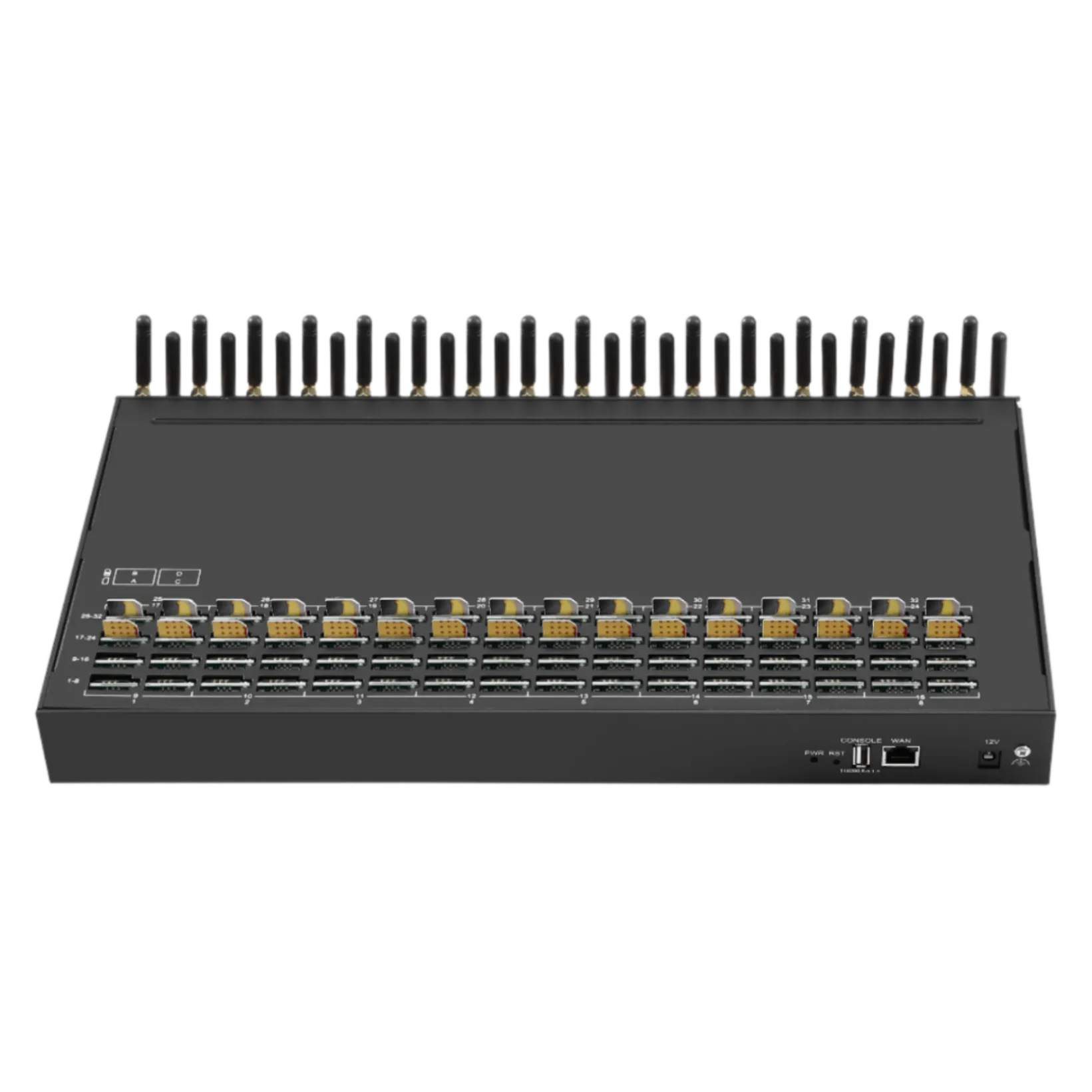
Access to engineering rather than front-line script
The tier that matters is the one that can change something.
Front-line support answers questions about configuration and known behaviours, and good front-line support is quick and pleasant. Second-line support diagnoses faults and can confirm whether a behaviour is a defect. Engineering is the tier that can confirm a defect exists, produce a fix or a workaround, and say when a firmware release will include it. A supplier without an engineering function will, in practice, close difficult cases by suggesting that the customer change products or wait.
The way to test whether engineering access exists is to describe a specific interaction during the pre-sales conversation and see what happens. A scenario such as a call that connects but carries no audio in one direction, or a registration that succeeds and then drops at a fixed interval, is specific enough that a script cannot answer it. The response reveals whether the first contact is relaying a question or answering one. The formal vocabulary for describing faults and their management functions is long established, and ITU-T M.3400 is a useful reference for the terms, while the standard reasons a call is released are listed in ITU-T Q.850.
Documentation as a support multiplier
Every ambiguity in the manual becomes a support ticket.
Good documentation reduces the number of calls a support function receives, which is why it is a legitimate part of a support assessment rather than a separate topic. The package that matters contains the port mapping, an alarm list explaining every condition the device can raise, the firmware update procedure with its rollback, the configuration export and import format, and a description of the device’s failure behaviour. Where any of those is missing, the customer will ask, and the answer will come from a person rather than a document.
Documentation quality also determines how quickly a customer becomes self-sufficient. An engineer who can look up an alarm code and understand it resolves most routine matters without contacting anyone; an engineer who cannot becomes a recurring caller. Over a year, that difference is larger than any difference in response time, because it changes the number of interactions rather than the speed of each one.
The same principle applies to the systems around the gateway. A support arrangement assumes the customer can produce evidence of what happened, and the operational practice described in NIST SP 800-123 covers the logging and diagnostic expectations that make a support conversation productive rather than speculative.
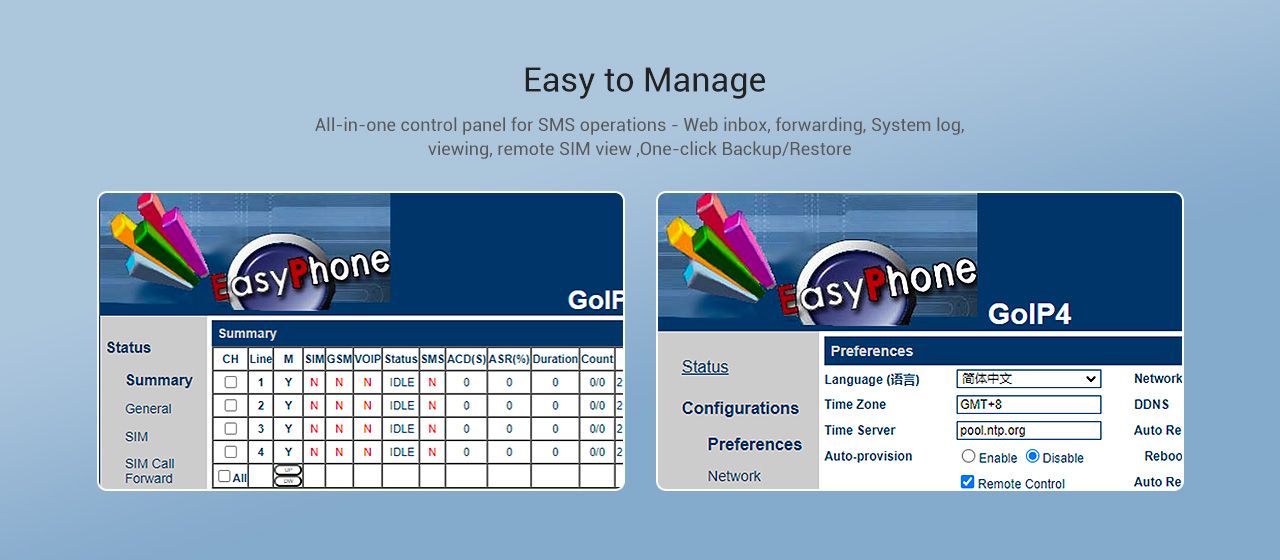
Questions that reveal the real model
Six questions separate a described support function from an actual one.
Who answers a technical question, and is that person the one who would handle a fault? What are the supported hours in the buyer’s local time, and what happens outside them? What is the median time to resolution for a fault requiring investigation, rather than the median time to a first reply? Can a case be escalated to engineering, and what does that escalation require? How is a fault closed when the cause is outside the product? And what is the process for obtaining a fix rather than a workaround?
The most informative of those is usually the last. A supplier with a maintenance function can describe how a defect is reported, tracked and released; a supplier without one will describe the warranty instead. Both answers are legitimate, but only one of them tells you what happens when the product is at fault and the unit is not going to be replaced.
Latency expectations belong in the same conversation. Where the deployment carries voice, the reference for how much delay a speech path can tolerate before users describe the quality as poor is ITU-T G.114, and a support function that can discuss delay in those terms is one that understands the product’s subject matter rather than only its configuration.
An evaluation checklist
The checklist assesses support on what can be observed before a purchase rather than on what is advertised. Each item produces an answer that can be compared between suppliers, and the last one requires a specific technical scenario rather than a general question.
- Supported hours stated in the buyer’s local time, including what is unavailable.
- Named first contact, and whether the person answering is the person who handles faults.
- Median time to resolution for an investigated fault, distinct from first response.
- Escalation path to engineering, and what triggers it.
- Process for obtaining a fix, rather than a workaround, when the product is defective.
- How a case is closed when the cause is outside the product.
- Documentation package: port mapping, alarm list, update and rollback, export format.
- A specific technical scenario put to the supplier before purchase, and the quality of the answer.
Ask who resolves the case, not who acknowledges it. Send your operating hours, escalation requirements and a specific technical scenario to service@telarvo.com, or review the published configurations on the VoIP gateway range and the VoIP gateway solution page. Telarvo publishes the SK VOIP gateway range and the GoIP models on its product pages, and the configurations referenced above come from those listings.
FAQ
How can I judge technical support for a VoIP gateway before buying?
By asking a specific technical scenario before purchase and judging the answer. A scenario such as a call that connects but carries no audio in one direction cannot be handled with a script, so the response reveals whether the first contact is relaying a question or answering it. Combine that with questions about supported hours in your local time and the escalation path to engineering.
What is the difference between first response time and resolution time?
First response is when the ticket is acknowledged, which an automated system can do instantly. Resolution is when the service is restored or a confirmed workaround is in place. The second figure describes the support arrangement and is the one to ask for, particularly for faults that require investigation rather than a configuration answer. Confirm the supported hours in your own time zone rather than the supplier one.
Is 24/7 support really available for VoIP gateways?
Sometimes, and the arrangement varies widely. It can mean a staffed desk, an on-call engineer, or a ticket system that is read the following morning. All three are legitimate, and the problem is only when a buyer assumes one and receives another. Ask who is on duty, in which time zone, and what that person is authorised to decide, then price continuous coverage explicitly if you need it.
Why does documentation quality affect support quality?
Because every ambiguity in the manual becomes a support ticket. A complete package, with a port mapping, a full alarm list, the firmware update procedure and the configuration export format, lets your engineers resolve routine matters without contacting anyone. Over a year that changes the number of interactions rather than the speed of each one, which is usually the larger effect.
{
“@context”: “https://schema.org”,
“@type”: “FAQPage”,
“mainEntity”: [
{
“@type”: “Question”,
“name”: “How can I judge technical support for a VoIP gateway before buying?”,
“acceptedAnswer”: {
“@type”: “Answer”,
“text”: “By asking a specific technical scenario before purchase and judging the answer. A scenario such as a call that connects but carries no audio in one direction cannot be handled with a script, so the response reveals whether the first contact is relaying a question or answering it. Combine that with questions about supported hours in your local time and the escalation path to engineering.”
}
},
{
“@type”: “Question”,
“name”: “What is the difference between first response time and resolution time?”,
“acceptedAnswer”: {
“@type”: “Answer”,
“text”: “First response is when the ticket is acknowledged, which an automated system can do instantly. Resolution is when the service is restored or a confirmed workaround is in place. The second figure describes the support arrangement and is the one to ask for, particularly for faults that require investigation rather than a configuration answer. Confirm the supported hours in your own time zone rather than the supplier one.”
}
},
{
“@type”: “Question”,
“name”: “Is 24/7 support really available for VoIP gateways?”,
“acceptedAnswer”: {
“@type”: “Answer”,
“text”: “Sometimes, and the arrangement varies widely. It can mean a staffed desk, an on-call engineer, or a ticket system that is read the following morning. All three are legitimate, and the problem is only when a buyer assumes one and receives another. Ask who is on duty, in which time zone, and what that person is authorised to decide, then price continuous coverage explicitly if you need it.”
}
},
{
“@type”: “Question”,
“name”: “Why does documentation quality affect support quality?”,
“acceptedAnswer”: {
“@type”: “Answer”,
“text”: “Because every ambiguity in the manual becomes a support ticket. A complete package, with a port mapping, a full alarm list, the firmware update procedure and the configuration export format, lets your engineers resolve routine matters without contacting anyone. Over a year that changes the number of interactions rather than the speed of each one, which is usually the larger effect.”
}
}
]
}