The GoIP category is small, widely resold and inconsistently documented, which makes supplier selection more consequential than the hardware difference between brands. What separates a supplier from a reseller is the ability to answer questions about firmware, documentation and support obligations.
This article sets out what the category actually contains, the questions that distinguish the two, and how to test a supplier before committing to a volume order.
What the GoIP gateway category contains, and what sets trusted suppliers apart
A family name, several generations of hardware, and a wide range of sellers.
GoIP describes a class of GSM-to-IP gateway used to interconnect SIM-based voice channels with IP telephony, and it has been manufactured in several generations and variants over the years. That history has two consequences for a buyer. The first is that units offered under the same name may be different hardware, from different production periods, with different firmware. The second is that a large part of the market consists of resellers who hold stock and ship it, without a maintenance function behind them.
Neither consequence is disqualifying. Resellers provide availability and competitive pricing, and many are technically competent. What matters is knowing which arrangement you are buying into, because the answers to an engineering question, a defect report and a firmware request all travel along different paths depending on whether the seller maintains the product or forwards the question.
The technical characteristics of the radio interface itself are described in the transmission specification, for example 3GPP TS 45.005, which sets out the power classes a module operates within. A supplier who can discuss the device in those terms is engaging with the product rather than with the order.
| Supplier type | Can answer technical questions | Maintains firmware |
|---|---|---|
| Manufacturer | Yes, including design decisions | Yes, with a release process |
| Distributor with engineering | Usually yes, within the product range | Relays, and can push for a fix |
| Trading company | Relays, with a delay | Relays only |
| Marketplace seller | Often not | No |
Questions that separate a supplier from a reseller
Ask about the history of the product rather than its specification.
Five questions are hard to answer without a relationship with production. Which firmware versions are current for the models being offered, and what changed in the most recent one? Where does the unit come from, and can the production batch be identified? What is the procedure when a customer reports a defect that turns out to affect a batch? What is the process for obtaining a firmware fix, and on what timescale? And which of the technical standards is the equipment declared against?
The answers are informative in their precision rather than their content. A supplier that names a firmware version and describes what changed is maintaining a product. A supplier that names a firmware version but cannot say what changed is holding stock. A supplier that cannot name a version at all is likely to be reselling units it has not inspected, which means the batch, the condition and the firmware are all unknown.
Two of those questions also have procurement value. Identifying the production batch matters because a defect affecting one batch does not affect others, and knowing the batch turns a general warranty claim into a specific one. Knowing the course of action for a batch defect matters because it determines whether the supplier will handle it or whether it becomes the buyer’s problem across every unit sold.
Documentation, firmware and support commitments
Ask for the package, then test one document against a unit.
The support documentation that matters includes the port mapping, the alarm list with an explanation for every condition the device can raise, the firmware update procedure with its rollback, and the configuration export and import format. Where a supplier cannot provide an alarm list, the buyer inherits the work of producing one, and every subsequent deployment in every market pays for it again.
Firmware commitment is the second half of the question and the one most often answered vaguely. The useful form of the question is not whether firmware is updated but how a defect reported by a customer is tracked, and whether a fix reaches existing units or appears only in new production. A supplier with a maintenance function can describe the last two or three releases and what prompted them. A supplier without one will offer a warranty instead, which is a different instrument.
Support commitments should be written rather than implied. What is covered, for how long, through which channel, in which time zone, and what happens when the first response does not resolve the matter are the elements that determine the actual cost of ownership. The formal vocabulary for fault and configuration management is described in ITU-T M.3400, and the resistibility expectations that equipment meeting recognised standards should satisfy, described in ITU-T K.20, are a reasonable item to request confirmation on.
Sample units and pilot testing
A sample tests the supplier as much as the device.
Ordering one unit before committing to volume is the cheapest available test, and the observations that matter are not confined to whether the device works. How long the sample took to arrive, whether it arrived with the documentation that was described, whether the firmware version matches what was stated, and how quickly a technical question was answered during the sample period are all indicators of how a volume order will proceed.
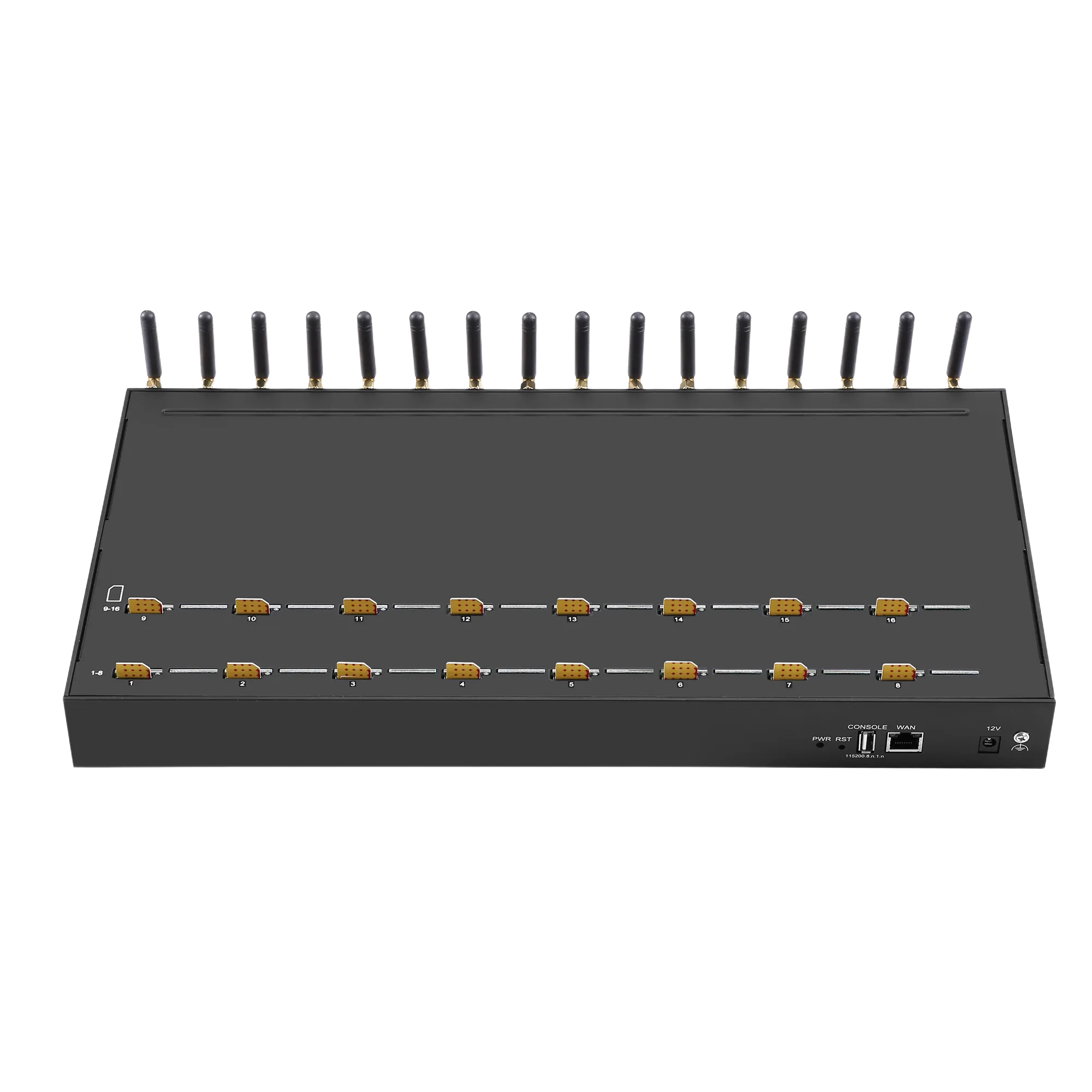
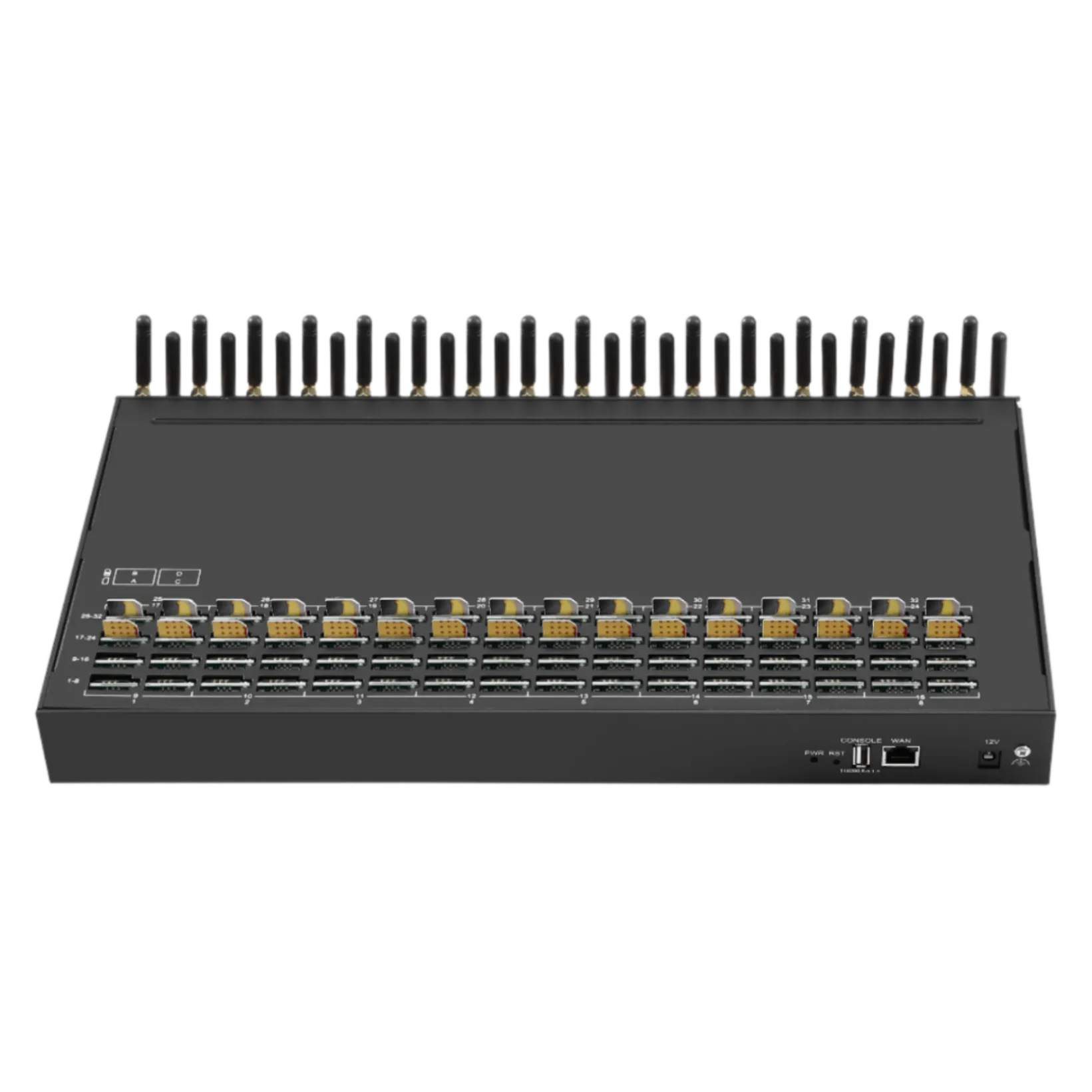
The unit itself should be tested against the specification rather than merely switched on. Enumerate the ports and confirm the count, follow the documented configuration steps literally and note where they are unclear, and compare the alarm list against the conditions the device actually raises. Those three checks find most documentation gaps, and every gap found at the sample stage is one that does not have to be found later by a customer.
The pilot in the destination environment is the second part of the test. Where the deployment will serve a particular operator or a particular class of voice traffic, the sample should be run in that setting for long enough to observe registration behaviour, call quality and recovery from a restart. The conditions of that environment, including the environmental class of the room defined in ETSI EN 300 019-1-3, one of the ETSI standards, should be recorded so that the result can be compared with the specification.
One practical detail is worth establishing at this stage rather than later: whether the configuration can be exported and restored onto a second unit. A device whose settings exist only on the device itself cannot be replaced quickly, and finding that out during an outage is considerably more expensive than finding it out during a sample.
Warranty scope and spare supply
The warranty is only as useful as the process behind it.
Four elements determine what a warranty is worth in practice: what it covers, how long it lasts, who pays for shipping in each direction, and how quickly a replacement is dispatched. A warranty that covers the unit but leaves the buyer paying for international shipping in both directions is a different proposition from one that includes a replacement dispatch, and the difference appears at the first failure. For an export buyer, those terms matter more than the headline duration.
Spare supply is the second half. A supplier who can provide a replacement module or unit from stock shortens every outage; a supplier who has to order from production extends it. The question to ask is what spares are held, for which models, and on what terms, and the answer determines whether a deployment should hold its own spares against the risk.
One specific arrangement is worth raising explicitly: what happens if a replacement unit fails. A supplier with a defined process will describe it, and a supplier without one will handle it case by case. The second is not necessarily unacceptable, but the buyer should know which they are getting before the situation arises.
Red flags
Warning signs in this category are specific and each has a check.
A specification that changes between enquiries is the first, and the check is to ask for the same parameter twice in writing several weeks apart. A firmware version that cannot be identified on the device or in the documentation is the second, because a defect cannot be tracked without it. An alarm list that does not exist is the third, since a device that raises conditions without documentation creates support work at every installation. And a warranty described in general terms with no shipping arrangement and no replacement process is the fourth.
The check that resolves all four is a single sample order. Behaviour during a sample, including the accuracy of the documentation supplied and the quality of the technical answers, is stronger evidence than any certificate pack or product page. It is also the cheapest test available for a decision that will involve many units.
A caution applies to documentation claims in particular. Marketing material for products in this category sometimes inherits statements from other products and other generations, and a specification that appears authoritative may describe hardware that is no longer sold under that name. Comparing the specification against the unit in hand, item by item, is the only reliable check, and the general operational discipline of verifying configurations and inventories rather than assuming them is set out in NIST SP 800-123.
A verification checklist
The checklist covers what can be verified about a supplier before an order is placed, in the order the evidence appears. Each item produces a document, a version or a test result, and the set is written to be completed with a sample order rather than with a conversation.
- Current firmware versions for the models offered, and what changed in the last release.
- Production batch identifiable, and a defined process when a batch defect is found.
- Documentation package: port mapping, alarm list, update and rollback, export format.
- Support commitment in writing: coverage, channel, time zone and escalation.
- Standards the equipment is declared against, confirmed rather than asserted.
- Sample order tested against the specification and the documentation.
- Configuration export and restore verified on a second unit.
- Warranty terms including shipping responsibility and replacement dispatch.
- Spare units or modules available from stock, and on what terms.
- Process for a replacement unit that fails, agreed before the order.
Test the supplier with a sample before testing it with an order. Send your destination market, volume plan and documentation requirements to service@telarvo.com, or review the published configurations on the GoIP gateway range and the GoIP gateway solution page. Telarvo publishes the SK VOIP gateway range and the GoIP models on its product pages, and the configurations referenced above come from those listings.
FAQ
How do I know whether a GoIP seller is a supplier or a reseller?
Ask about the history of the product rather than its specification. Which firmware versions are current, what changed in the last release, where the unit came from, and how a defect affecting one production batch would be handled. A supplier that maintains the product answers with specifics. A reseller either relays the answer or cannot provide one, which is useful to know before a volume order.
What documentation should a GoIP supplier provide?
The port mapping, an alarm list explaining every condition the device can raise, the firmware update procedure with a rollback path, and the configuration export and import format. The alarm list is the item most often missing and the one that generates the most avoidable support work, because every undocumented alarm becomes a question at every installation. Record the answers in writing, because a verbal answer cannot be compared across suppliers.
Should I test a sample before buying GoIP gateways in volume?
Yes, and record two sets of observations. On the product: whether the port count matches, whether the documented steps actually work, and whether the alarm list matches what the device raises. On the supplier: how long the sample took, whether the documentation arrived as described, and how quickly technical questions were answered. The second set predicts the volume order better than the first.
What warranty terms matter for an export buyer?
Four things: what the warranty covers, how long it lasts, who pays for shipping in each direction, and how quickly a replacement is dispatched from stock. For a buyer at a distance these matter more than the headline duration, because every failure becomes a logistics problem. Also agree in advance what happens if the replacement unit fails. Agree the terms before the order, because they are considerably harder to change afterwards.
{
“@context”: “https://schema.org”,
“@type”: “FAQPage”,
“mainEntity”: [
{
“@type”: “Question”,
“name”: “How do I know whether a GoIP seller is a supplier or a reseller?”,
“acceptedAnswer”: {
“@type”: “Answer”,
“text”: “Ask about the history of the product rather than its specification. Which firmware versions are current, what changed in the last release, where the unit came from, and how a defect affecting one production batch would be handled. A supplier that maintains the product answers with specifics. A reseller either relays the answer or cannot provide one, which is useful to know before a volume order.”
}
},
{
“@type”: “Question”,
“name”: “What documentation should a GoIP supplier provide?”,
“acceptedAnswer”: {
“@type”: “Answer”,
“text”: “The port mapping, an alarm list explaining every condition the device can raise, the firmware update procedure with a rollback path, and the configuration export and import format. The alarm list is the item most often missing and the one that generates the most avoidable support work, because every undocumented alarm becomes a question at every installation. Record the answers in writing, because a verbal answer cannot be compared across suppliers.”
}
},
{
“@type”: “Question”,
“name”: “Should I test a sample before buying GoIP gateways in volume?”,
“acceptedAnswer”: {
“@type”: “Answer”,
“text”: “Yes, and record two sets of observations. On the product: whether the port count matches, whether the documented steps actually work, and whether the alarm list matches what the device raises. On the supplier: how long the sample took, whether the documentation arrived as described, and how quickly technical questions were answered. The second set predicts the volume order better than the first.”
}
},
{
“@type”: “Question”,
“name”: “What warranty terms matter for an export buyer?”,
“acceptedAnswer”: {
“@type”: “Answer”,
“text”: “Four things: what the warranty covers, how long it lasts, who pays for shipping in each direction, and how quickly a replacement is dispatched from stock. For a buyer at a distance these matter more than the headline duration, because every failure becomes a logistics problem. Also agree in advance what happens if the replacement unit fails. Agree the terms before the order, because they are considerably harder to change afterwards.”
}
}
]
}