The hardware proxy gateway versus software VPN comparison usually ends in an argument because the two are treated as alternatives. They solve different problems: one gives you a set of addresses, the other gives you a private path.
This article sets out what each technology actually does, why address ownership is the core difference, where a VPN is the correct answer and where an address estate is required, how the two compare on cost and control, and how they are combined in practice rather than chosen between.
What does a hardware proxy gateway versus a software VPN actually do?
One presents addresses; the other carries traffic privately.
A proxy gateway routes requests out through addresses you control, while a VPN creates an encrypted path between two points and hides the traffic from the network in between.
The two are often confused because both change what a destination sees. A proxy changes the apparent source of a request: the destination sees an address from your estate rather than the address of your infrastructure. A VPN changes the path and the confidentiality of the traffic, and the destination normally sees the exit address of the VPN rather than the origin. The distinction matters when the requirement is stated clearly: an operator who needs requests to appear from many different mobile addresses is describing a proxy estate, and an operator who needs a private link between sites is describing a VPN.
Proxy protocols are standardised and boring, which is a virtue. The SOCKS5 mechanism is defined in RFC 1928 with its authentication method in RFC 1929, and the tunnelling protocols that VPNs use are equally well documented. Choosing between them is a question about the requirement rather than about the protocol.
| Requirement | Proxy gateway | Software VPN |
|---|---|---|
| Requests appear from many addresses | Core capability | Not what it provides |
| Private path between fixed sites | Not the tool | Core capability |
| Mobile rather than data-centre addresses | Available through SIM-based estates | Depends on the exit point |
| Traffic confidentiality in transit | Depends on the protocol and the destination | Core capability |
| Per-address accounting | Natural unit of operation | Not meaningful |
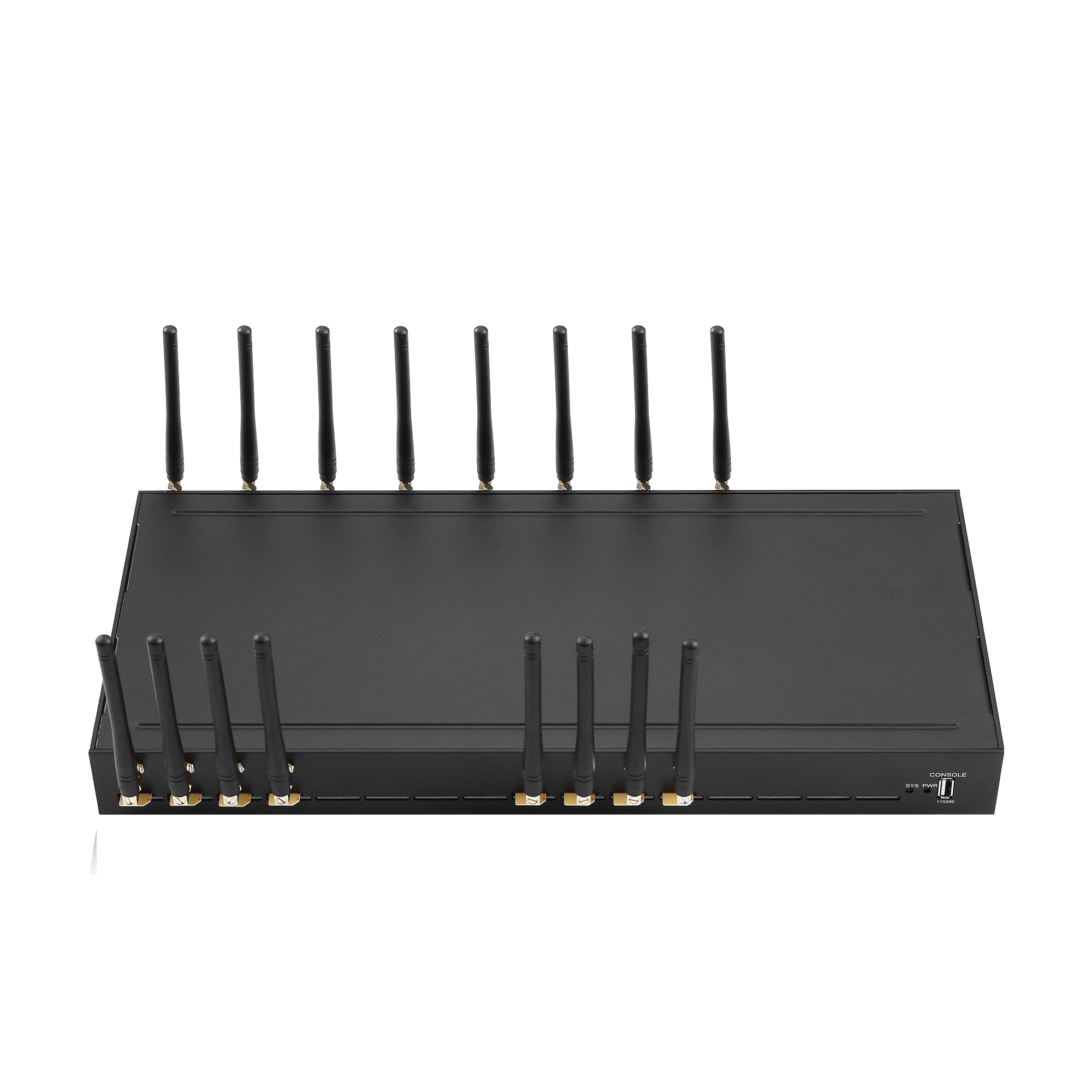
Why is address ownership the core difference?
Because the address is the thing being managed.
A proxy estate is a collection of addresses with identities and histories, while a VPN is a path whose exit address is incidental.
That difference determines what can be measured and controlled. With an address estate, each address accumulates a history: which destinations it has reached, at what rate, and with what outcome. That history is what makes it possible to allocate work responsibly, to detect an address that has become ineffective, and to explain an outcome to a destination that asks. With a VPN, the exit address is shared and its history is not a manageable quantity.
Address estates also carry an obligation. Traffic that appears to come from mobile subscribers can be misused, and the operator of an estate is the party who can be asked to explain it. Practical controls include attribution, rate limits and the ability to stop using an address, and the general control objectives that support them are organised in NIST SP 800-53 Rev. 5. An estate without those controls is a liability rather than an asset.
Where a VPN is the correct answer
When the requirement is a private path rather than a public identity.
Connecting two fixed sites, protecting traffic across an untrusted network and giving remote staff access to internal systems are all VPN problems.
In each of those cases the address the destination sees is not the point; the point is that the traffic is protected and that the endpoints are authenticated. Substituting a proxy estate would add cost and complexity without addressing the requirement, and it would introduce an address-management problem where none existed.
Transport security is where the two overlap and where the current standards matter. Modern TLS, specified in RFC 8446, is the baseline for protecting traffic between endpoints, and the parameters that remain acceptable in a deployed configuration are catalogued by the Internet Assigned Numbers Authority in its TLS parameter registry. A proxy or VPN that carries traffic over an obsolete transport version is a problem in either architecture, and the fix is the same.

Where an address estate is required
When the destination reacts to the address rather than to the session.
Regional content, price and availability checks, and testing that depends on where a request appears to originate all require a set of addresses rather than a private path.
The requirement is usually stated as a question about reproducibility: can the same test be run again next week from the same apparent location? With a proxy estate the answer is yes, because the address is an asset that can be reserved. With a shared exit point the answer is no, because the address changes with whatever else is using the path.
Mobile addresses differ from data-centre addresses in ways that matter for these tests, which is why SIM-based proxy hardware exists. The measurement of what a destination treats differently is a legitimate engineering exercise; using an estate to misrepresent a person or to evade a service’s controls is not, and the boundary is drawn by the destination’s terms rather than by the technology. Where a protocol carries datagrams over a proxied connection, the mechanism is described in RFC 9298, which is a useful reference for what a modern proxy can and cannot carry.
How do the two compare on operational effort?
The effort follows the asset being managed.
A proxy estate requires address-level work, while a VPN requires endpoint and credential work, and neither is free to operate.
An address estate has a lifecycle that has to be run: addresses are added, monitored, allocated, retired and replaced, and each of those steps needs an owner. The work is not large per address but it scales with the estate, and it is the reason a small estate is easy and a large one is a role rather than a task. The evidence that the work is being done is the per-address record described earlier, which is what makes allocation deliberate rather than incidental.
A VPN carries a different workload. Endpoints have credentials that have to be issued and revoked, keys that have to be rotated, and connectivity that has to be monitored for availability rather than for effectiveness. The two workloads are not comparable in size, but they require different skills, and a team that is strong in one is often not strong in the other. Choosing the tool that matches the skill already present is a legitimate input to the decision rather than a compromise.
One practical test separates the two requirements quickly. Ask whether the destination would behave differently if the traffic arrived from a different address but over the same path. If it would, an address estate is the requirement. If it would not, and the concern is only who can observe the traffic in transit, the requirement is a private path and a VPN addresses it.
Whichever tool is chosen, document what it is for. An address estate that nobody can explain the purpose of is an operational liability, and a VPN whose endpoints nobody can enumerate is a security one. One sentence per component, kept with the deployment record, prevents both.

Cost and control comparison
One is an estate, the other is a subscription.
A proxy estate carries hardware and connectivity cost, while a VPN carries a service or endpoint cost, and the two scale with different things.
Where the requirement is stable, a hardware estate converts an ongoing service fee into a fixed asset plus the connectivity behind it, in the same way that any on-premise messaging deployment does. Where the requirement changes frequently or spans many regions, a service is cheaper because the estate does not have to be maintained in each location. The arithmetic depends on how long the requirement is expected to last and how many locations it covers.
Control is the second axis and it cuts differently. A hardware estate gives direct control over which address is used for which request, which is the whole point, and it requires the operator to manage address health, allocation and retirement. A service gives less granular control and removes the operational work. The appropriate choice follows from whether the address allocation is a core requirement or an implementation detail.
Can the two be combined?
Yes, and the combination is common.
A private path can carry traffic to an estate, and the estate can then present it from addresses on the public network.
The pattern is straightforward: connect the infrastructure privately, and let the proxy estate handle the public-facing addresses. Each component does the job it was designed for, and the management boundary is clear, because the private path is a connectivity concern and the address estate is an operational one.
The combination also makes the failure domains explicit. Where the private path fails, the estate is unreachable but intact; where an address becomes ineffective, the path is unaffected and the estate is adjusted. Designing that boundary deliberately is easier than discovering it during an incident, and it is the same principle that applies to any layered network design.
State the requirement before choosing the tool. Send your address requirements, destination behaviour and locations to service@telarvo.com, or review the published configurations on the proxy gateway range and the proxy gateway solution page. Telarvo publishes the SK Multi WAN proxy gateway models on its product pages, and the configurations referenced above come from those listings.
FAQ
Is a proxy gateway better than a VPN?
They are not alternatives. A proxy presents traffic from addresses you control, while a VPN creates a private path. A requirement for many distinct addresses is a proxy problem; a requirement for a private link between fixed points is a VPN problem. Choosing between them is a question about the requirement. Naming the requirement first prevents a comparison that cannot produce an answer.
Does a proxy gateway encrypt traffic?
Only as far as the protocol and the destination allow. Encrypting traffic between endpoints is what TLS provides, and the acceptable parameters are catalogued in the IANA registry. Where confidentiality in transit is the requirement, protect the transport as well rather than assuming the proxy provides it. A proxy controls the visible source of traffic, which is a different property from confidentiality.
Can we use a VPN to provide many exit addresses?
Not in the sense that an address estate means. A VPN with multiple exits gives you several paths, not a managed set of addresses with identities and histories. Where the destination reacts to the address rather than the session, the estate is the relevant asset. Where it reacts to the session alone, the path is what matters. Confirm which of the two the destination reacts to before buying either, because the answer decides the design.
What should be logged when operating an address estate?
Which address was used for which request, at what time, and with what outcome. That record is what makes an outcome explainable and an ineffective address detectable. Record-keeping practice for operational logs, including retention, is covered in NIST SP 800-92. Keep the record outside the device that produced it, so a replacement does not remove the history. Export it on a schedule rather than on request, so that a period without records is visible as a gap.
{
“@context”: “https://schema.org”,
“@type”: “FAQPage”,
“mainEntity”: [
{
“@type”: “Question”,
“name”: “Is a proxy gateway better than a VPN?”,
“acceptedAnswer”: {
“@type”: “Answer”,
“text”: “They are not alternatives. A proxy presents traffic from addresses you control, while a VPN creates a private path. A requirement for many distinct addresses is a proxy problem; a requirement for a private link between fixed points is a VPN problem. Choosing between them is a question about the requirement. Naming the requirement first prevents a comparison that cannot produce an answer.”
}
},
{
“@type”: “Question”,
“name”: “Does a proxy gateway encrypt traffic?”,
“acceptedAnswer”: {
“@type”: “Answer”,
“text”: “Only as far as the protocol and the destination allow. Encrypting traffic between endpoints is what TLS provides, and the acceptable parameters are catalogued in the IANA registry. Where confidentiality in transit is the requirement, protect the transport as well rather than assuming the proxy provides it. A proxy controls the visible source of traffic, which is a different property from confidentiality.”
}
},
{
“@type”: “Question”,
“name”: “Can we use a VPN to provide many exit addresses?”,
“acceptedAnswer”: {
“@type”: “Answer”,
“text”: “Not in the sense that an address estate means. A VPN with multiple exits gives you several paths, not a managed set of addresses with identities and histories. Where the destination reacts to the address rather than the session, the estate is the relevant asset. Where it reacts to the session alone, the path is what matters. Confirm which of the two the destination reacts to before buying either, because the answer decides the design.”
}
},
{
“@type”: “Question”,
“name”: “What should be logged when operating an address estate?”,
“acceptedAnswer”: {
“@type”: “Answer”,
“text”: “Which address was used for which request, at what time, and with what outcome. That record is what makes an outcome explainable and an ineffective address detectable. Record-keeping practice for operational logs, including retention, is covered in NIST SP 800-92. Keep the record outside the device that produced it, so a replacement does not remove the history. Export it on a schedule rather than on request, so that a period without records is visible as a gap.”
}
}
]
}