A gateway with enough SIM slots can still leave the office short of active call channels. When selecting GoIP gateway hardware, define how many cellular calls must run together, which numbers need inbound access and which carrier permits the proposed equipment. Then choose the supplied radio revision and model, rather than ordering from the model name alone.
Updated
Telarvo’s GoIP range includes GOIP1, GOIP8 and GOIP16. This guide compares their deployment roles and the information a buyer should request before approving a configuration. It focuses on model selection, site readiness and acceptance; detailed SIP configuration belongs in the separate integration tutorial.
Which GoIP gateway hardware model fits the call requirement?
Match active channels to the required simultaneous calls.
GOIP1, GOIP8 and GOIP16 represent different channel classes. Verify the supplied revision, supported cellular service and routing mode before treating nominal capacity as usable production capacity.
A single-line evaluation or a specifically defined backup line has a different requirement from an office with several concurrent conversations. Count cellular calls occupying the gateway, not merely the number of PBX users. Some employees may use another trunk, while inbound and outbound traffic can compete for the same gateway channels.
Start with the permitted target carrier and country. An unsuitable radio variant cannot be fixed by choosing more ports or editing the PBX. Ask the seller to identify the modem, bands and supported voice mode for the exact supplied hardware.
Review the Telarvo GoIP collection for the listed models. Use the full purchase specification to determine fit, including carrier acceptance, active call requirement and recovery. Model size is a starting filter; it does not establish voice quality, remote-SIM compatibility or an uptime result.
Compare the three models using the same decision factors
The useful comparison separates channel class from deployment evidence. Larger units can provide more cellular paths, but they also concentrate more of the operation in one chassis. A smaller model may be sufficient for a defined task without being suitable for the whole office workload.
| Model | Nominal channel class to verify | Appropriate evaluation question | Additional purchase check |
|---|---|---|---|
| GOIP1 | One cellular voice channel | Is one active line sufficient for this task? | Behaviour when that line is occupied or unavailable |
| GOIP8 | Eight cellular voice channels | Does the peak workload fit the available channels? | Per-port or shared-trunk identities and channel mapping |
| GOIP16 | Sixteen cellular voice channels | Is greater concurrency needed in one unit? | Site resources, channel controls and supported bank pairing |
The table is a procurement comparison, not an independent benchmark. It does not imply identical modem variants, codecs or management functions across every revision. Obtain the supported specification for each quoted item and use the same carrier/service requirement when comparing them.
Keep hardware cost separate from subscriptions, integration and redundancy. A larger channel count does not automatically create a lower cost per completed call, and several stored numbers do not automatically remain reachable simultaneously. The comparison should describe the complete working system, not just the enclosure.
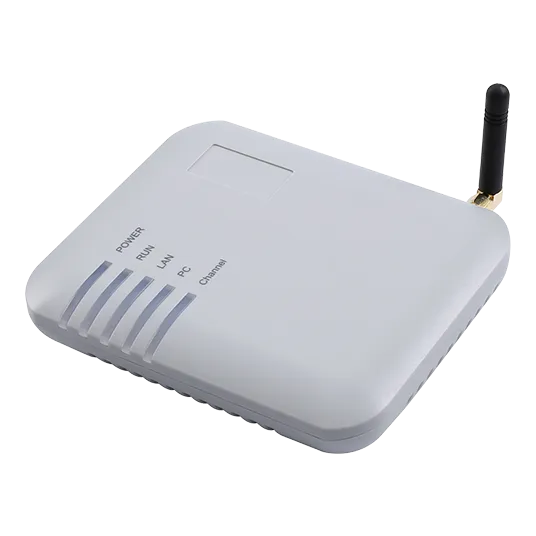
Evaluate GOIP1 for a defined single-channel task
A one-channel unit can support a controlled evaluation of the cellular-to-PBX path or a task that genuinely requires one active cellular call. It allows the team to check the chosen carrier, voice service, destination mapping and media behaviour before deciding how to expand. A successful small pilot should establish the interface, not imply the later multi-channel system needs no further testing.
Define what happens while the channel is occupied. If an outgoing call is active, an incoming business call may not have a free gateway path. The intended carrier and PBX handling of that situation must be tested. A single number does not mean a single-channel design always meets the availability requirement.
For a backup role, identify the primary failure being covered. A gateway that shares the same PBX, switch or power supply can remain dependent on those components. Establish the route activation and authorised destinations before describing it as a resilience solution.
GOIP1 is also useful for isolating integration issues because the test has fewer channel-selection variables. Preserve the accepted carrier, hardware and PBX configuration. When moving to a larger model, repeat the checks affected by new identities, concurrency and site resources rather than copying the pilot conclusion unchanged.
Evaluate GOIP8 against the small-office call workload
Evaluate the eight-channel class against measured or planned busy-period calls. Identify which users and destinations will use cellular routes and how many inbound paths must remain available. The number of staff alone is not the capacity requirement, because their calling patterns and alternative trunks can differ.
Ask how the supplied firmware exposes channels to the PBX: separate SIP identities, a shared trunk or another supported arrangement. Establish whether an outbound route selects a particular channel, a permitted group or any available line. Test the intended business-number mapping instead of accepting any connected call as a pass.
For inbound service, document the destination of each number and the response when the relevant channel is busy. If the operation needs a particular number continuously available, do not assume another SIM’s idle channel automatically preserves that number’s service.
Keep a capacity reserve appropriate to the workload and failure requirement. A gateway with eight nominal channels can have fewer usable paths when some subscriptions are unavailable or channels are reserved. The purchase case should specify the expected call mix and acceptance result, then compare the actual configuration with that requirement.
Plan the additional capacity and recovery needs of GOIP16
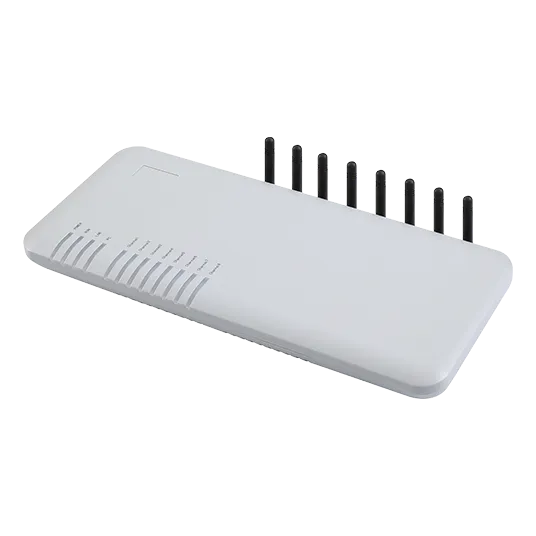
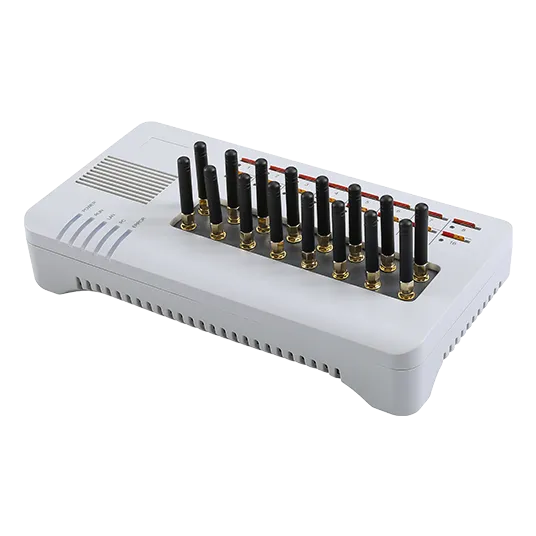
The sixteen-channel class increases the number of cellular paths concentrated in one device. That can suit a larger concurrent workload, but the site, radio conditions and recovery design must support it. Do not treat a higher count as evidence that every path will register or maintain acceptable voice quality under the intended operating conditions.
GOIP16 is offered with SMB32/SMB128 pairing, balance management and USSD-based recharge capabilities. Request the exact bank, controller, firmware and carrier arrangement supporting the proposed workflow. A feature named for GOIP16 should not automatically be assigned to GOIP1 or GOIP8.
Decide whether one larger unit or multiple units better fits the failure model. Several units may reduce concentration, but can add configuration and shared-site dependencies. One unit can simplify some administration while leaving a larger share of the service affected by its failure. Compare those designs against actual restoration requirements, not a universal claim that either is more reliable.
For a planned bank pairing, define which numbers remain assigned to radios and how changes are authorised. Sixteen channels and a larger stored inventory are separate resources. The proposed design should show both without implying that every stored SIM becomes an additional live calling path.
Verify cellular voice and carrier permission before installing SIMs
A SIP-compatible gateway still requires a compatible mobile-side service. Ask for the module identifier, supported bands, voice mode and accepted carrier/subscription combination. Where networks have changed, establish whether the supplied variant can provide the required voice service rather than relying on a generic 2G/4G label.
Confirm that the SIM plan permits the intended equipment and traffic. Gateway use, automated calling and voice termination can have different contractual or regulatory requirements. SIM switching or identity changes do not create permission to use a prohibited route.
The ETSI UICC-terminal interface specification addresses the subscriber-card interface. It does not establish that a particular modem, carrier and gateway workload is approved. Keep physical card compatibility separate from service compatibility.
Test the intended carrier at the actual site with the proposed equipment. Record successful registration, inbound and outbound voice, and the supplied hardware/firmware identifiers. A successful handset call nearby is useful coverage context but does not prove that a gateway’s radio revision and service provisioning will work in the same way.
Specify the PBX interface without assuming one universal mode
The IP side can expose a supported trunk or endpoint arrangement. Decide registration direction, identities, call permissions and incoming destinations before applying configuration. A collection of radio channels does not specify how the PBX should identify the requests or select a channel.
RFC 3261 defines SIP call-control relationships. Registration is one relationship, not a complete validation of voice service. A contact can be available while the incoming call destination is wrong or the media path is blocked.
For native Asterisk, use the GoIP PJSIP registration guide to establish the intended object and routing relationships. Keep this model-selection page focused on the purchase requirements rather than repeating its configuration blocks.
Ask the supplier how the firmware handles caller identity, shared-address endpoint identification and outbound authentication. Test actual INVITEs from the supplied device. Where several identities use one source address, the identification scheme needs to be deliberate; adding channels to a working one-line test can introduce a new routing problem even when each registration succeeds.
Assess voice quality, DTMF and site conditions separately
Call quality depends on the cellular and IP paths, negotiated codecs and supported gateway media handling. A product-family HD-voice statement is not proof of end-to-end wideband audio. Define the quality requirement and test representative calls on the actual carrier and PBX combination.
RFC 3550 specifies RTP media transport, while RFC 4733 specifies RTP telephone events. Audio conversation and keypad operation therefore need separate tests. An IVR can fail to recognise digits even when both parties hear speech normally.
For a remote PBX, inspect the actual media path and advertised addresses. Use the Asterisk PJSIP NAT documentation where relevant, and permit the configured peer/port ranges rather than opening a broad public path for convenience.
At the site, follow the equipment’s power, antenna and environmental requirements. Test radio conditions at the proposed installation location under representative operation. A cabinet, antenna placement or local carrier difference can affect results, so do not substitute a generic placement rule for the site survey and hardware instructions.
Keep SIM-bank capacity and gateway capacity distinct
A compatible bank can centralize stored cards and control assignment to remote radios. It does not add the radios that carry calls. Decide whether the project needs more inventory, more continuously reachable numbers or more active voice channels before adding an accessory.
The Telarvo SIM bank collection provides the relevant accessory context. Request the supported bank/controller/gateway matrix rather than assuming every Telarvo product uses the same remote-SIM protocol. A GOIP16 pairing statement is not evidence that the bank can be shared freely with unrelated SK messaging equipment.
Specify what happens to an unassigned number, a channel already in a call and a gateway that loses its controller link. Recovery may require reassignment and carrier registration. A hot-swappable card or automatic mapping rule does not establish preservation of a live call.
Keep the active allocation record connected to business routing. Operations should know which stored subscription serves each radio and which inbound destination that number reaches. This information is essential when replacing equipment or investigating a number that has become unavailable, even when the larger inventory remains visible in the controller.
Compare the complete deployment cost and recovery plan
Use the same workload and availability requirement when comparing GOIP1, GOIP8, GOIP16 or several units. Include approved subscriptions, installation, PBX configuration, networking, support and spare capacity. Do not compare bare chassis prices while one design includes a bank or integration work and another does not.
Keep recurring call charges and subscription costs separate from one-time purchase costs. Ask what software, updates and assistance are included in the quote, and what changes require additional licensing or support. Historical catalogue prices can be useful context, but the order should use a current dated quotation for the supplied revision.
For resilience, identify common failures: power, site networking, the mobile carrier, the PBX and the gateway itself. A spare SIM addresses a different resource from a spare channel or chassis. Define who restores the route and how the replacement obtains its configuration and approved subscriptions.
Compare concentration with operational complexity. A single larger unit and several smaller ones can each be sensible, but their failure and administration costs differ. Approve the design whose restoration procedure and complete bill of materials fit the actual service requirement, not the one with the lowest arithmetic cost per nominal port.
Require a pilot acceptance record before expanding
Test one authorised channel first, then the multi-channel behaviour of the chosen configuration. Verify incoming destinations, outbound SIM selection, two-way audio, IVR digits, hangup, busy handling and restoration after a planned restart. Record which hardware, firmware, carrier and PBX versions produced the result.
For a model comparison, ask suppliers to answer the same RFQ:
- Required concurrent cellular calls and inbound reservations.
- Number inventory and continuously reachable-number requirement.
- Country, target carrier and permitted subscription type.
- Gateway/radio revision and firmware.
- PBX mode, channel selection and caller presentation.
- Any bank/controller pairing and its recovery behaviour.
- Site resources, support scope and replacement procedure.
Use the GoIP solution page as integration context, then compare the quoted system against the written acceptance requirement. A passing pilot authorises the tested combination; future carrier or hardware substitutions can require revalidation. Preserve the report with the quotation so procurement and operations share the same baseline.
Choose the model whose complete service you can verify
Compare expansion and replacement separately. If the next office needs another eight active channels, price the additional equipment, subscriptions, PBX routes and commissioning work. If the existing office loses its gateway, establish which spare can restore the accepted configuration and how staff will recover its settings. The cheapest incremental channel and the fastest replacement may involve different purchase decisions.
Keep the accepted model and hardware revision on the equipment register alongside its carrier arrangement and configuration backup. A later purchase under the same broad model name should be checked against that record. This reduces the chance that an undocumented module or firmware change appears only when a production replacement is urgently needed.
GOIP1, GOIP8 and GOIP16 address different channel requirements, but the final choice depends on supported cellular service, number routing, site conditions and restoration. Larger stored SIM inventory is not another name for more concurrent calls. SIP compatibility and registration also do not establish every voice and management function.
For a one-line task, prove the occupied-channel and backup behaviour. For a multi-channel office, prove the peak workload and inbound routing. For a larger configuration with bank integration, prove allocation and recovery in addition to the voice path. Those distinctions make the model choice explainable without unsupported promises about HD voice, universal compatibility or automatic continuity.
Request a Telarvo GoIP model review with your carrier, peak call requirement, PBX and required bank arrangement. Ask for the exact hardware revision, current quotation and pilot acceptance plan before ordering.
FAQ
Can a single inbound number use every free gateway channel automatically?
Not just because the chassis has several channels. Incoming service is tied to the carrier subscription and the supported gateway/carrier routing arrangement. Another SIM’s idle radio does not automatically receive a call addressed to the busy SIM’s number. Define the required busy handling, overflow or carrier feature and test it explicitly. Do not treat a pool of available subscriptions as a transparent hunt group unless that complete function is documented and supported for the proposed service.
Is balance monitoring guaranteed to support every carrier’s USSD commands?
No. A named USSD or balance-management function still depends on carrier commands, response formats and the supplied firmware’s behaviour. Request the supported workflow for the intended subscription and test it with authorised commands. Establish what happens when a response changes or an account cannot be queried. Balance information can help operations, but it should not be described as a universal prevention mechanism for failed calls or as a feature automatically shared by every model in the portfolio.
What should the RFQ say about SMS if the main purchase is for voice?
State the messaging requirement separately, including inbound or outbound SMS, required application interface, permissions and delivery-status handling. Do not infer an SMS API from SIP voice registration or from a feature offered by a different gateway family. Ask the supplier to identify the exact model and interface supporting the workflow. Keep its acceptance test separate from voice calls so the order does not depend on an untested messaging capability hidden behind a general claim of multi-service support.
Can a replacement unit reuse the original configuration unchanged?
Only where the supplier documents compatibility for the replacement hardware and firmware. Confirm transport settings, channel identities, numbering rules, bank pairing and carrier service before importing the backup. Repeat the relevant acceptance tests, including audio and hangup. The same model name or port count does not prove every internal component and configuration field is identical. Keep the accepted revision and replacement procedure in the operations record so restoration can be controlled rather than improvised after a failure.