In property, the enquiry that waits an hour is usually an enquiry that has called someone else. Lead response is the workflow where messaging earns its place, and where the boundary between a service message and a marketing message decides whether the channel stays available.
This article sets out why response speed matters, which messages are worth automating and which are not, how a multi-agent office should present its numbers, where the consent boundary sits, and how to measure response without measuring people.
Why does response speed decide the outcome with a 4G bulk SMS gateway for real estate?
Because a property enquiry is rarely made once.
A buyer or tenant who sends an enquiry through a portal typically sends several, and the first agent to respond is the one who gets the conversation.
The mechanism is not subtle: the enquiry is a moment of intent, and intent decays as the person continues searching. An automated acknowledgement that a named agent will call within a defined period keeps the enquiry attached to the agency, while silence allows a competitor to take it. The value of the messaging channel in this workflow is therefore availability rather than volume, and the metric that matters is time to first response rather than messages sent.
That distinction has a design consequence. A deployment optimised for volume will batch and schedule; a deployment optimised for response will send immediately and accept a lower volume per number as the price. The message layer that both use is defined in ETSI TS 123 040, and the sequence of events a response triggers is usually a message, then a call, then a second message confirming the appointment.
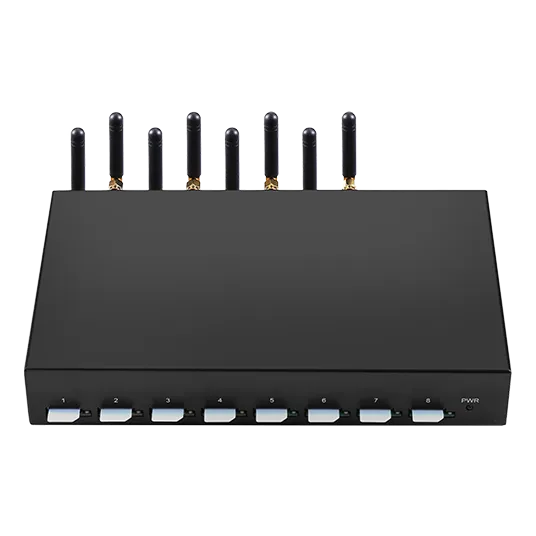
Which messages to automate and which to send personally
Automate the acknowledgement and the logistics; send the negotiation personally.
The messages that benefit from automation are the ones whose content is factual and whose value is speed: receipt of the enquiry, confirmation of a viewing time, a reminder, and a change of time.
Everything that involves a judgement belongs with a person. A price discussion, a qualification question, a negotiation or a rejection is a conversation, and automating it produces the impression of an agency that is not listening. The practical split is that automation handles the parts of the workflow that have a correct answer, which is most of the scheduling and almost none of the selling.
The split also determines what the messaging estate has to support. Automated logistics messages are repetitive and predictable, so they can be paced and rotated; personal messages are irregular and need a number that a person can be reached on. That is the reason a single shared number frequently disappoints, because it mixes a broadcast function with a conversational one.
| Message | Automate? | Reason |
|---|---|---|
| Enquiry acknowledgement | Yes | Speed is the whole value |
| Viewing confirmation | Yes | Factual and expected |
| Reminder before a viewing | Yes | Reduces no-shows, no judgement needed |
| Price or terms discussion | No | Requires a person and a context |
| Follow-up on a rejected offer | No | Requires judgement and tone |
Multi-agent number strategies
Numbers should map to how the office works.
An agency can present one number for the office, a number per branch, or a number per agent, and each choice changes what the recipient experiences.
A single office number is simple to manage and makes every message look broadcast, which is appropriate for confirmations and poor for anything a person might reply to. A number per agent makes replies land with the right person and multiplies the number of subscriptions to manage. A number per branch is the common middle position, with the agent named in the message text rather than in the sender address.
Where replies are expected, the design has to say how they are routed. The simplest arrangement is that a reply to a branch number arrives in a shared inbox that the branch monitors, which keeps the conversation inside the messaging channel. The alternative is to include a reply instruction and route by a reference in the message, which requires the inbound path to support it and the staff to use it. The numbering conventions that make the choice recordable are described in ITU-T E.164.
Where is the boundary between service and marketing messages?
It is set by the consent record, not the wording.
Logistics about a viewing the recipient booked is a service message; a new listing alert is marketing, and the two require different treatment.
The distinction matters because the two categories are governed differently in most markets, and the practical implementation is a consent record that names the category the recipient agreed to. A recipient who agreed to be contacted about a specific viewing has not agreed to receive new listing alerts, and treating the two as one permission is the most common compliance mistake in this sector. Where the processing falls within the European framework, the reference points are the regulation itself on EUR-Lex and the guidance collected by the European Data Protection Board; in other markets the equivalent rules differ, and the compliance owner is the person who decides which apply.
The engineering contribution is to make the boundary enforceable. Each message category should be recorded against the consent that authorises it, and the platform should refuse to send a marketing category message to a recipient without that permission. An opt-out should suppress the relevant category immediately, and the suppression should survive a change of platform. Record-keeping practice for the consent and suppression records that follow is covered in NIST SP 800-92.
Finally, record what the workflow is not allowed to do. A list assembled for service messages should not be reused for a marketing campaign, and the record that states the category each contact agreed to is what makes the distinction enforceable. The engineering contribution is small and the consequence of omitting it is a channel that loses the trust of the people it is meant to serve.
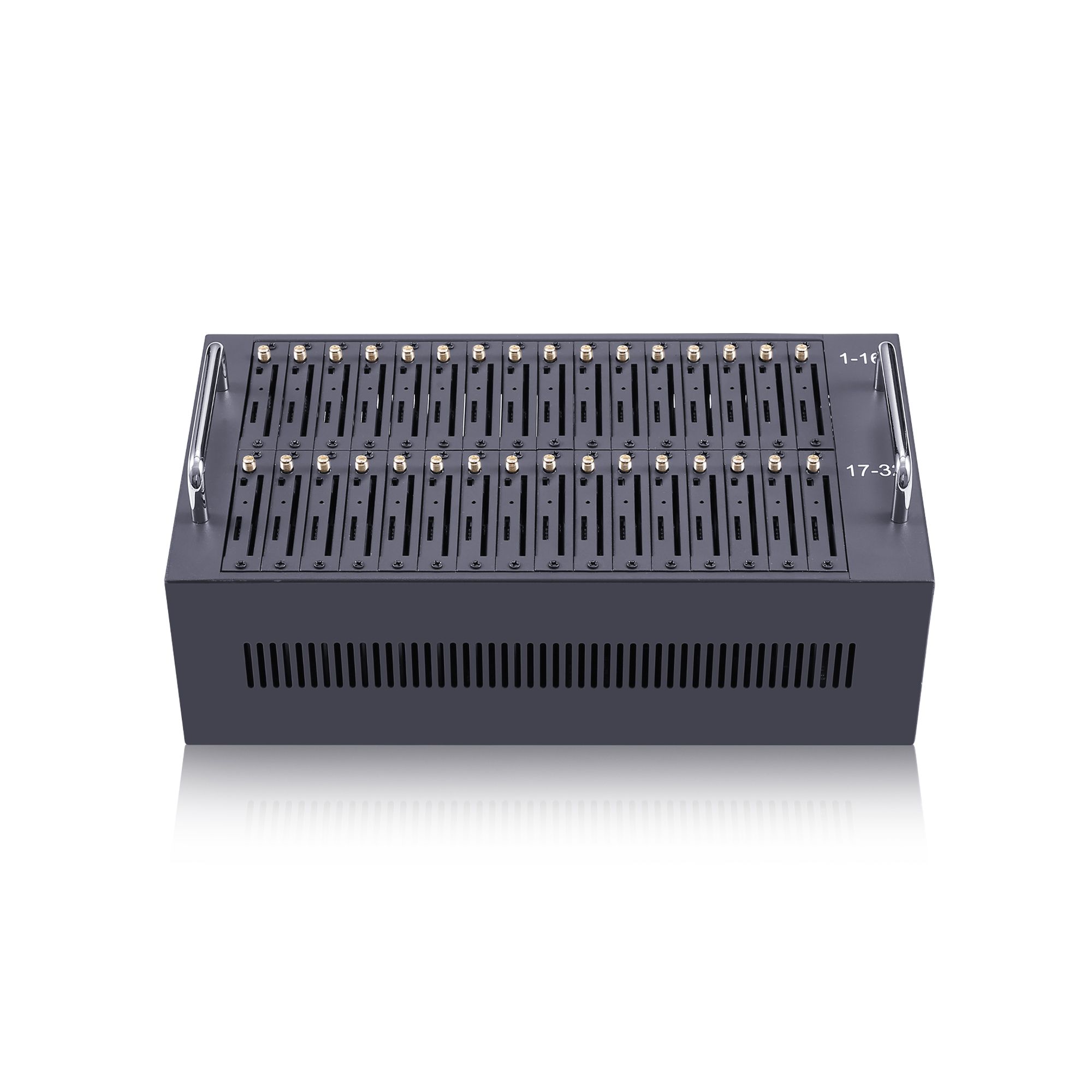
Volume patterns across a week
Property messaging peaks at the weekend.
Viewings are scheduled and attended at weekends, so enquiry volume rises on Friday evening and Saturday morning, and confirmations follow shortly behind.
That pattern is the opposite of a business-hours deployment, and it determines how the estate should be sized and staffed. A pool sized on weekday volume will be tight on Saturday morning, and an inbox monitored only during office hours will miss the window when enquiries actually arrive. Neither problem is solved by more hardware; the first needs sizing on the weekend peak and the second needs someone watching the inbox when it fills.
A second pattern is seasonal, and it matters for hardware planning rather than for daily operation. Enquiry volume rises in spring and autumn in most markets, so a pool that is adequate in one month may be tight in another. Recording the monthly peak rather than the annual average is what prevents a seasonal capacity surprise.
The peak also has a shape that affects staffing rather than hardware. Enquiries arrive disproportionately in the hours when people browse listings, which for most markets means evenings and weekend mornings, so a workflow that assigns enquiries to the next working day places the first response outside the window that matters. Deciding how the queue behaves overnight and at weekends is part of the messaging design rather than an operations afterthought.
A third pattern is specific to the property type. Rental enquiries are frequent and low-value per conversation, while sales enquiries are fewer and slower, and the two produce different message profiles. Running both through one workflow tends to optimise for volume, which suits rentals and under-serves sales; separating them by category makes the response target explicit for each.
How do you measure response without measuring people?
Measure the workflow, not the individual.
Time to first response, confirmation rate and no-show rate are workflow measures, and they can be reported without ranking staff members.
The distinction matters because individual metrics of this kind produce gaming rather than improvement: an agent measured on response time sends an acknowledgement and delays the substance. Aggregate measures by branch or by workflow identify where the process is failing without creating an incentive to game the number, and they are the measures that justify the messaging estate in the first place.
Two figures are worth keeping per campaign. The first is time to first response, measured from enquiry receipt to the first outbound message. The second is the confirmation rate: the share of enquiries that result in a booked viewing. Together they show whether the messaging channel is doing its job, and neither requires identifying which agent handled which enquiry. The subscription states that affect delivery timing are defined in 3GPP TS 24.301.
A workflow outline
The outline follows a single enquiry from the moment it arrives to the point at which the agent can see what happened. It is written around the handover between the automated and the personal parts of the conversation, because that boundary is where response time is usually lost.
- Enquiry received from a portal or a website and recorded against a reference.
- Automated acknowledgement sent within the target window, naming the office and the next step.
- Assignment to an agent, with the assignment recorded against the reference.
- Viewing booked; confirmation and reminder sent automatically.
- Reply routing: replies land in the branch inbox and are attached to the reference.
- Outcome recorded, which supplies both the confirmation rate and the input for future consent categories.
The outline is short and its value is in the reference that runs through it. Without a reference carried across the acknowledgement, the booking and the outcome, the workflow cannot be measured, and the measurement is what tells the agency whether the messaging estate is earning its place.
Separate the service workflow from the marketing list. Send your enquiry volume, peak days and consent categories to service@telarvo.com, or review the published configurations on the SK-SMS Gateway range and the SMS gateway solution page. Telarvo publishes the SK-SMS gateway range, the TYH modem pools and the TGW SMS machine on its product pages, and the configurations referenced above come from those listings.
FAQ
Can an agency send listing alerts on the same number as viewing confirmations?
It can, provided the recipient agreed to receive listing alerts. Confirmations for a viewing are service messages; alerts about new properties are marketing, and they require their own permission. Send them from the same infrastructure if you like, and record them as separate consent categories. The distinction is what a complaint or an audit will turn on. Record the two categories separately in the preference record, because a withdrawal from one does not apply to the other.
Should each agent have their own number?
Only where replies need to reach a specific person. A number per agent multiplies the subscriptions to manage and the numbers to monitor; a branch number with the agent named in the message text is usually sufficient. Decide from how replies are handled rather than from how messages are sent. Reply handling also determines who is accountable for the response.
What is a reasonable time to first response?
The target should be set by the agency rather than adopted from a general figure, because the competitive window differs by market and by property type. What matters more than the number is that it is measured, that it is measured at the weekend, and that the measurement does not depend on an individual agent queue. A target nobody measures is a description of intent.
Do we need a large modem pool for a single branch?
Usually not. A branch messaging is dominated by logistics rather than by volume, and a small pool is generally sufficient when the number strategy is right. Size the pool from the weekend peak after removing the traffic that belongs in a person-to-person conversation rather than in the automated workflow. Removing that traffic is usually the largest single saving. Re-measure the weekend peak each quarter, because branch activity changes with the market rather than with the calendar.
{
“@context”: “https://schema.org”,
“@type”: “FAQPage”,
“mainEntity”: [
{
“@type”: “Question”,
“name”: “Can an agency send listing alerts on the same number as viewing confirmations?”,
“acceptedAnswer”: {
“@type”: “Answer”,
“text”: “It can, provided the recipient agreed to receive listing alerts. Confirmations for a viewing are service messages; alerts about new properties are marketing, and they require their own permission. Send them from the same infrastructure if you like, and record them as separate consent categories. The distinction is what a complaint or an audit will turn on. Record the two categories separately in the preference record, because a withdrawal from one does not apply to the other.”
}
},
{
“@type”: “Question”,
“name”: “Should each agent have their own number?”,
“acceptedAnswer”: {
“@type”: “Answer”,
“text”: “Only where replies need to reach a specific person. A number per agent multiplies the subscriptions to manage and the numbers to monitor; a branch number with the agent named in the message text is usually sufficient. Decide from how replies are handled rather than from how messages are sent. Reply handling also determines who is accountable for the response.”
}
},
{
“@type”: “Question”,
“name”: “What is a reasonable time to first response?”,
“acceptedAnswer”: {
“@type”: “Answer”,
“text”: “The target should be set by the agency rather than adopted from a general figure, because the competitive window differs by market and by property type. What matters more than the number is that it is measured, that it is measured at the weekend, and that the measurement does not depend on an individual agent queue. A target nobody measures is a description of intent.”
}
},
{
“@type”: “Question”,
“name”: “Do we need a large modem pool for a single branch?”,
“acceptedAnswer”: {
“@type”: “Answer”,
“text”: “Usually not. A branch messaging is dominated by logistics rather than by volume, and a small pool is generally sufficient when the number strategy is right. Size the pool from the weekend peak after removing the traffic that belongs in a person-to-person conversation rather than in the automated workflow. Removing that traffic is usually the largest single saving. Re-measure the weekend peak each quarter, because branch activity changes with the market rather than with the calendar.”
}
}
]
}