After-sales service is where the cost of a purchase is either contained or discovered. For a buyer at a distance in particular, the terms that matter are the ones that describe what happens after something fails, not the ones on the product page.
This article sets out what after-sales covers and what it does not, how warranty scope and the return path interact with turnaround time, who pays for shipping in each direction, and how to handle a unit that fails repeatedly.
What after-sales service for SMS hardware covers, and what it excludes
It covers the product, and it usually excludes everything around it.
After-sales service in this category normally covers a defect in the device: a unit that fails to function as specified and is returned within a defined period. It typically excludes configuration errors, damage in transit, damage during installation, and problems caused by the environment the device is installed in. Those exclusions are normal and reasonable, but they mean that a significant proportion of the faults an operator experiences fall outside the arrangement, and the response to those is a technical question rather than a warranty claim.
The distinction matters for planning. A buyer who expects every fault to be a warranty matter will be disappointed by the number of cases in which the answer is that the device behaved correctly and the cause was upstream, downstream or environmental. That is why a support arrangement, separate from warranty, is worth establishing: it is the channel through which the non-warranty faults are diagnosed rather than argued about. The formal vocabulary for fault management and its interaction with configuration management is described in ITU-T M.3400, and it is a useful reference for the questions to ask.
| Situation | Usually covered | Usually not covered |
|---|---|---|
| Unit fails as specified | Yes, within the warranty period | – |
| Configuration error | Sometimes, as support | As a replacement claim |
| Damage in transit | Only with the agreed shipping terms | If risk transferred at loading |
| Fault caused by environment | No | Yes, and it is a site issue |
| Firmware defect | A fix rather than a unit | Anything if no maintenance function exists |
Warranty scope and the return path
The return path is what determines whether the warranty is usable.
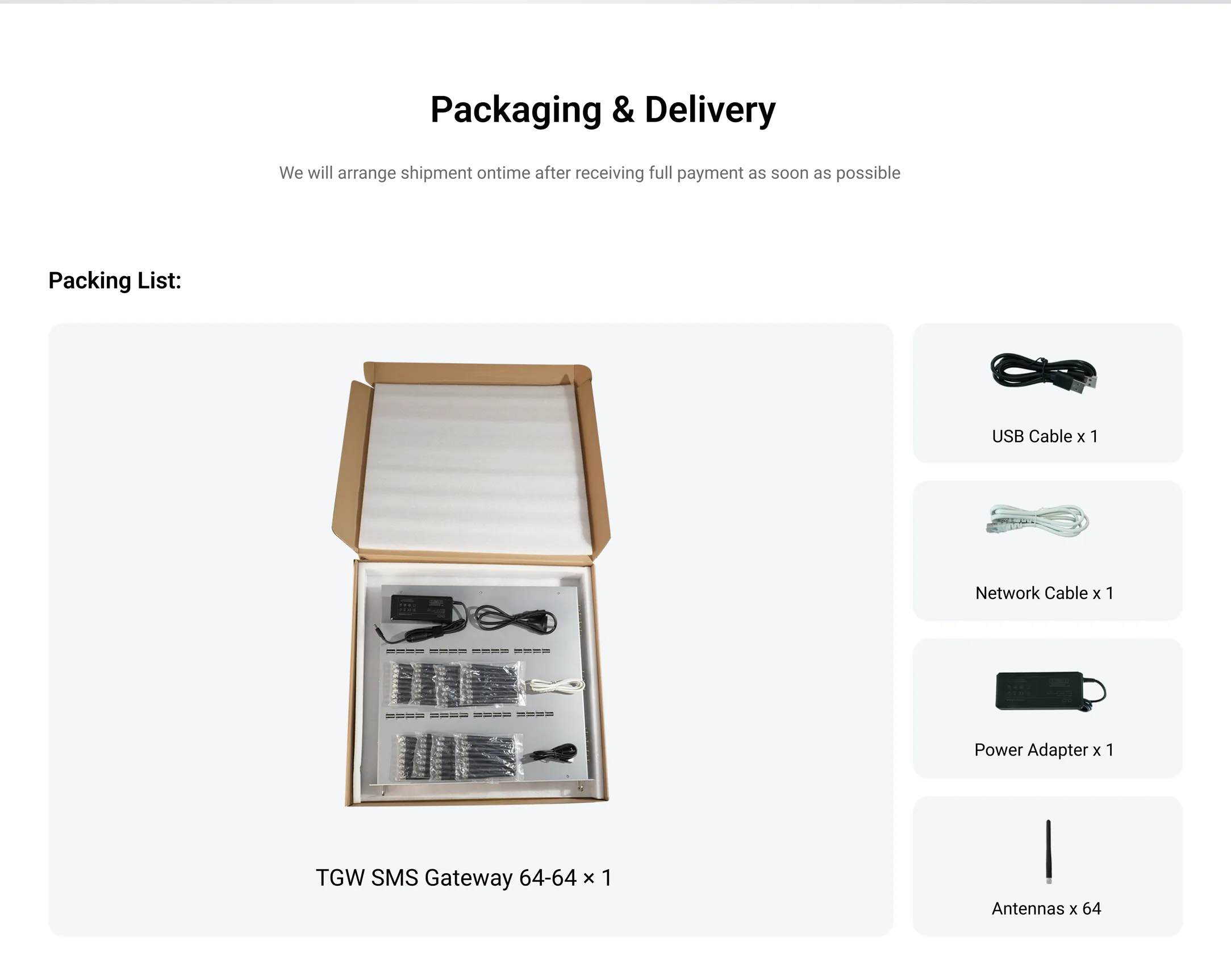
A warranty that covers the unit but leaves the buyer to arrange an international return, obtain the documentation the supplier requires and pay for the shipment is a warranty that will be used rarely, because the cost of using it approaches the cost of the unit. The elements that make it workable are a named contact, a documented process describing what evidence the supplier needs, an advance replacement where the supplier dispatches a unit before receiving the failed one, and a clear statement of the address a return goes to.
Advance replacement deserves specific attention because it is the term that most improves the buyer’s position. Where the supplier dispatches a replacement in advance, the outage lasts as long as shipping takes; where the supplier waits for the failed unit before dispatching, the outage lasts for the return plus the dispatch, which is roughly twice as long. Where advance replacement is not offered, holding a spare locally achieves a similar result and should be costed as part of the arrangement.
Documentation of the return process belongs with the equipment rather than in an email thread. What the buyer needs to record at the time of a failure, what the supplier needs in order to authorise a return, and where the unit goes are three items that should be available to whoever is on shift at the time, because the person handling the failure will not be the person who negotiated the terms.
Turnaround time and spares
Turnaround is a logistics figure, and it is worth stating in days rather than adjectives.
Four intervals make up the total: the time to authorise the return, the time to ship the failed unit, the time for the supplier to process it, and the time to ship the replacement. Only the third of those is within the supplier’s control in a way that a buyer can influence, and it is usually the shortest. The practical number to establish is the total elapsed time from reporting a failure to having a working unit in hand, and the answer for a distant buyer is measured in weeks rather than days.
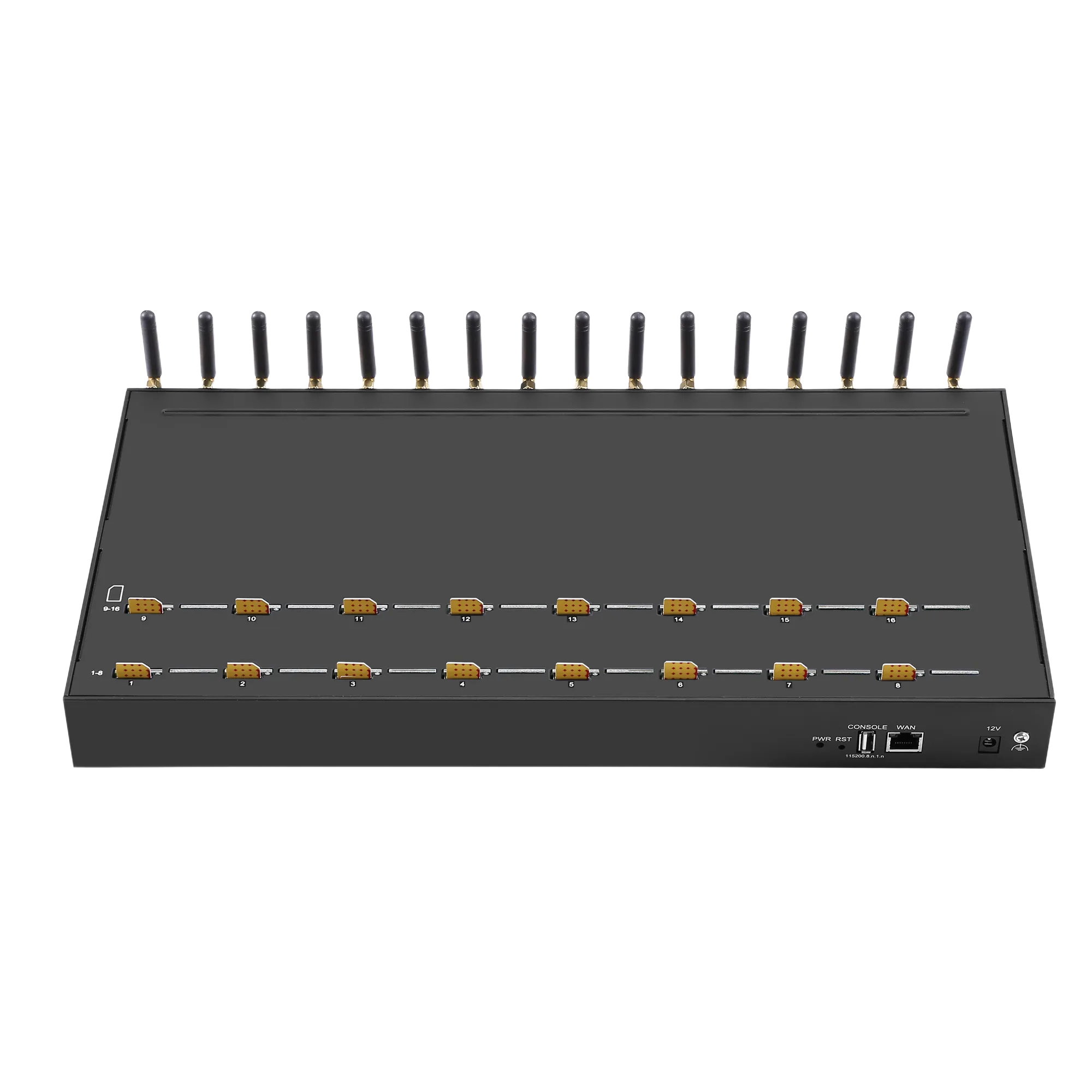
That arithmetic is what makes spares a rational purchase rather than an over-cautious one. Where the total turnaround exceeds the acceptable outage, a spare unit or a spare module held locally converts a weeks-long interruption into a swap. The size of the spares holding follows from the failure rate and the turnaround time, and the calculation is the same one used for any service where the repair path is slow.
Two practical points improve the position at little cost. Holding a spare of the most frequently used model rather than one of each covers most of the exposure, because a pool of identical units can absorb a single failure. And recording the configuration export and firmware version alongside the spare is what makes it usable; a spare unit without the configuration is a replacement that still has to be rebuilt.
Who pays for shipping in each direction
This single term changes the economics of a warranty more than its duration.
Three arrangements exist in practice. The supplier pays both ways, which is the most favourable and least common. The buyer pays to return and the supplier pays to dispatch, which is a reasonable middle position. And the buyer pays both ways, which means every claim has a cost that may approach the value of the unit, particularly where the equipment is heavy or the distance is long. Which applies is usually negotiable at the point of order and effectively fixed afterwards.
The related question is the declared value and the customs treatment of a returned unit. A failed unit that is treated as a new import can attract duties and delays that dwarf the shipping cost, and the practical solution is to establish the documentation the supplier will provide for the return before it is needed. This is a paperwork question rather than an engineering one, and it is more cheaply resolved in advance.
A final detail is worth agreeing explicitly: what happens if the replacement also fails. A supplier with a defined process will describe the escalation, and a supplier without one will handle it as an exception. Neither is disqualifying, but the buyer should know which applies rather than discovering it on the second failure.
Escalation when a unit fails repeatedly
Repeated failure of the same unit or the same model is a different problem from a single failure.
The first question is diagnostic rather than commercial: whether the failures share a cause. Three possibilities cover most cases. A single unit that fails repeatedly may have an installation problem, such as a power or thermal condition that is damaging it. Several units of the same model failing in the same deployment may indicate a batch or a design issue. Units failing across different deployments may indicate a component that is being stressed beyond its expectation, which is where a recorded failure log becomes valuable.
The second question is what the escalation produces. A supplier with a maintenance function can investigate and, where the cause is in the product, produce a firmware change or identify the affected batch. A supplier without one can only replace units, which is a valid response to a random failure and an inadequate one to a systematic fault. Asking how a repeated failure would be handled before the order establishes which of the two you are buying.
The record that makes the escalation possible is ordinary operational data: which unit, which position, when, and what was observed. Keeping it in one place, with the diagnostic information and the resolution, is what converts a series of unrelated replacements into a pattern. The practice for retaining records that can be relied on is described in NIST SP 800-92, and the hardening expectations for the systems involved in NIST SP 800-123.
Questions to settle before ordering
Seven questions, all of which are easier to answer before the order.
What does the warranty cover and exclude, and for how long from what date? Who pays for shipping in each direction? Is advance replacement available, and under what conditions? What is the total elapsed time from reporting a failure to having a replacement in hand? What evidence is required to authorise a return, and where does the unit go? How is the customs treatment of a returned unit handled? And what is the process if the replacement unit fails as well?
The answers should be written into the purchase record rather than remembered, because the person who needs them during an incident will be looking at a device rather than at an email. Two of them, the shipping responsibility and the advance replacement arrangement, are the ones that most change the cost of a failure, and they are also the ones most often left implicit.
A supporting question concerns support rather than warranty: what channel is used for a technical question, and what is the expected response. Warranty handles a defective unit and support handles everything else, and a buyer who has established neither will find that most problems fall between the two. The standard reason codes used when a call or session is released, defined in ITU-T Q.850, and the resistibility expectations for the equipment described in ITU-T K.20, are both useful items to be able to discuss when a fault is reported, because they allow the conversation to start from a diagnosis rather than from a description.
An evaluation checklist
The checklist covers the terms that decide what a failure costs, and it is written to be settled before an order rather than after a fault. Each item produces a written commitment, and the sequence follows the order in which those commitments are usually agreed.
- Warranty scope and exclusions, written down before the order.
- Shipping responsibility in each direction, including customs treatment on return.
- Advance replacement availability and the conditions attached to it.
- Total elapsed time from failure report to working unit in hand.
- Evidence required to authorise a return, and the address it goes to.
- Spares held locally, sized against the failure rate and the turnaround.
- Configuration export and firmware version stored alongside each spare.
- Escalation process for a repeated failure, and what it can produce.
- A single record of failures: unit, position, date, observation and resolution.
Settle the return path before you need it. Send your deployment size, locations and acceptable outage to service@telarvo.com, or review the published configurations on the SMS gateway range and the contact page. Background on the company and the range is on the about page. Telarvo publishes the SK-SMS gateway range, the TYH modem pools and the TGW SMS machine on its product pages, and the configurations referenced above come from those listings.
FAQ
What does after-sales service cover for SMS hardware?
Normally a defect in the device returned within a defined period. It usually excludes configuration errors, transit damage, installation damage and faults caused by the environment. Since a large share of real faults fall into those excluded categories, a separate support channel for technical diagnosis is worth establishing, because otherwise those cases are argued rather than resolved. Establish which of the two covers a given fault before it occurs, because the distinction decides the cost.
Why does it matter who pays for shipping in a warranty claim?
Because it changes the economics more than the warranty duration does. An arrangement where the buyer pays both ways means every claim carries a cost that may approach the value of the unit, so claims are only made for substantial failures. Establish the responsibility for each direction, and the customs treatment of a returned unit, at the point of order rather than after a failure.
What is advance replacement and why does it matter?
It means the supplier dispatches a replacement before receiving the failed unit. It matters because it roughly halves the outage: without it, the buyer waits for the return to be received and processed before a replacement is sent. Where advance replacement is not offered, holding a local spare achieves a similar result and should be costed as part of the arrangement.
What should I do if the same unit fails repeatedly?
Treat it as a diagnostic question before a commercial one. A single unit failing repeatedly may indicate an installation problem such as power or heat, several units of one model failing at the same site may indicate a batch issue, and failures across sites may indicate a component being stressed. Keep one record of unit, position, date and observation so the pattern is visible, and ask how the supplier escalates a systematic fault.
{
“@context”: “https://schema.org”,
“@type”: “FAQPage”,
“mainEntity”: [
{
“@type”: “Question”,
“name”: “What does after-sales service cover for SMS hardware?”,
“acceptedAnswer”: {
“@type”: “Answer”,
“text”: “Normally a defect in the device returned within a defined period. It usually excludes configuration errors, transit damage, installation damage and faults caused by the environment. Since a large share of real faults fall into those excluded categories, a separate support channel for technical diagnosis is worth establishing, because otherwise those cases are argued rather than resolved. Establish which of the two covers a given fault before it occurs, because the distinction decides the cost.”
}
},
{
“@type”: “Question”,
“name”: “Why does it matter who pays for shipping in a warranty claim?”,
“acceptedAnswer”: {
“@type”: “Answer”,
“text”: “Because it changes the economics more than the warranty duration does. An arrangement where the buyer pays both ways means every claim carries a cost that may approach the value of the unit, so claims are only made for substantial failures. Establish the responsibility for each direction, and the customs treatment of a returned unit, at the point of order rather than after a failure.”
}
},
{
“@type”: “Question”,
“name”: “What is advance replacement and why does it matter?”,
“acceptedAnswer”: {
“@type”: “Answer”,
“text”: “It means the supplier dispatches a replacement before receiving the failed unit. It matters because it roughly halves the outage: without it, the buyer waits for the return to be received and processed before a replacement is sent. Where advance replacement is not offered, holding a local spare achieves a similar result and should be costed as part of the arrangement.”
}
},
{
“@type”: “Question”,
“name”: “What should I do if the same unit fails repeatedly?”,
“acceptedAnswer”: {
“@type”: “Answer”,
“text”: “Treat it as a diagnostic question before a commercial one. A single unit failing repeatedly may indicate an installation problem such as power or heat, several units of one model failing at the same site may indicate a batch issue, and failures across sites may indicate a component being stressed. Keep one record of unit, position, date and observation so the pattern is visible, and ask how the supplier escalates a systematic fault.”
}
}
]
}