Concurrency is quoted as a single number and behaves as the lowest of three different limits. The port count sets one, codec negotiation sets another, and the platform’s own licence sets a third. A deployment sized against whichever figure appeared in the quotation will discover the other two during a peak.
This guide covers how to establish the real ceiling: which limits apply, how to measure the sustainable figure rather than the nominal one, why the platform licence can cap a gateway that is not near its capacity, and how to identify which of the three is binding when calls are being rejected.
What limits concurrent calls on a gateway?
Ports first, then codec and platform licence.
The three limits are independent, and the effective ceiling is the lowest of them rather than the sum.
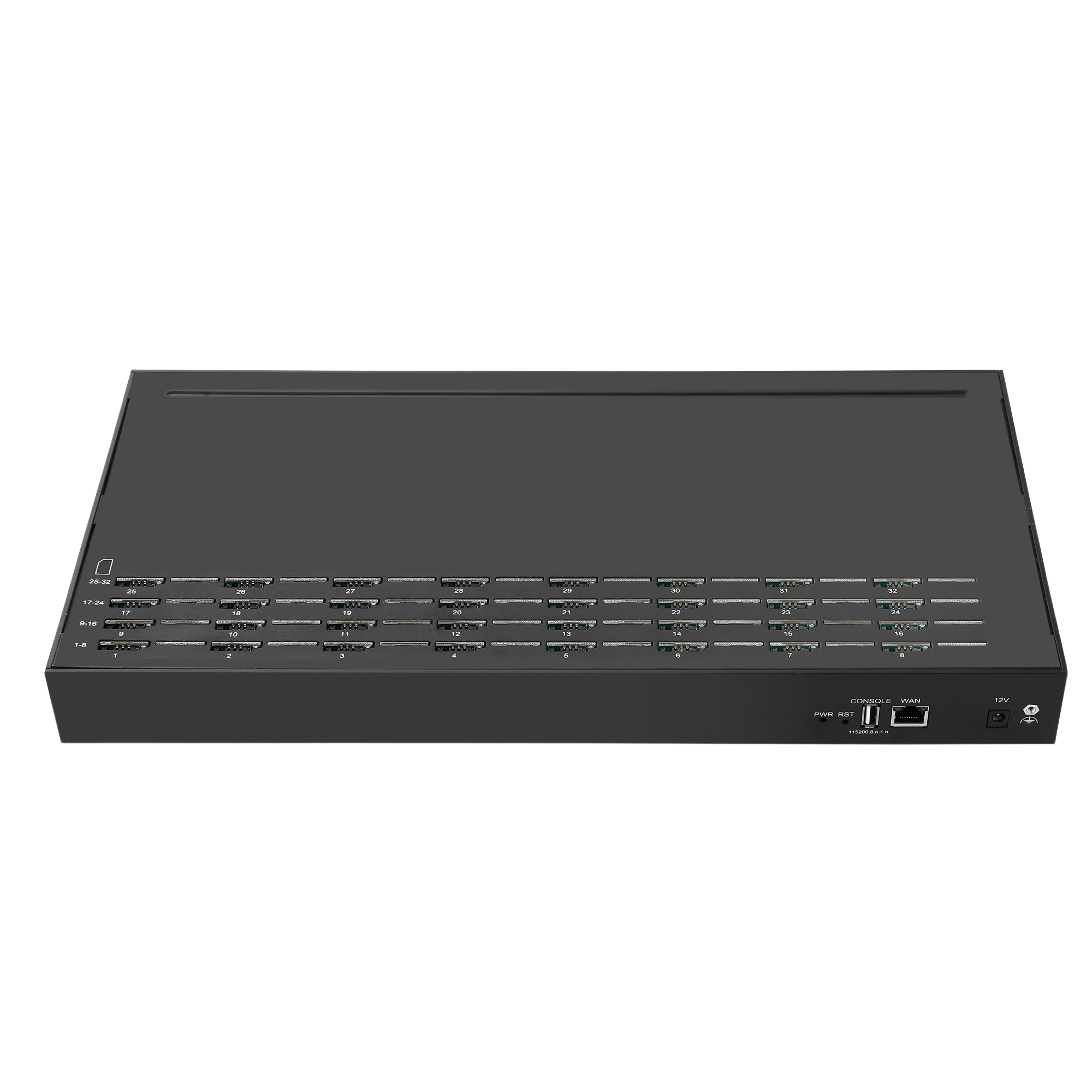
Port count is a physical limit: each call occupies a channel for its duration, so a 32-port device cannot carry more than 32 simultaneous calls regardless of anything else. Codec negotiation is a processing limit: where the two ends of a call do not share a codec, transcoding consumes capacity and can reduce the sustainable figure below the port count. Platform licensing is a commercial limit: a platform licensed for a lower concurrency will reject calls before the gateway reaches its own ceiling.
Understanding that the ceiling is the minimum of the three changes how a capacity plan is written. A plan that names only the port count describes a configuration in which two of the three constraints have been assumed rather than established, and the assumption is what fails under load.
How do you measure the sustainable figure?
Step up load until setup time rises.
The break point is the useful measurement, not the maximum number of calls that can be forced to connect.
The method has four steps. Establish a baseline with a single call, recording setup time, audio quality and the negotiated codec. Increase concurrent calls in defined increments, recording the same three measurements at each. Note the point at which setup time rises or audio quality falls, which is the practical ceiling rather than the nominal one. And hold the deployment at that point for an hour, because a device that manages a peak briefly may behave differently once it reaches thermal steady state.
The output is a capacity statement with its configuration attached: this many concurrent calls, at this codec, sustained for an hour, before setup time exceeded this threshold. A figure without those qualifiers cannot be compared with another device’s figure, and it cannot be used to answer a customer’s question about what the deployment will carry.
Why does the platform licence matter as much as the hardware?
A lower licence caps the gateway before it is loaded.
The limit is invisible in the device, which makes it the one most often misdiagnosed.
Two mismatches are possible and only one is obvious. A platform licensed for more concurrent calls than the gateway can carry is wasteful but harmless, because the gateway is the binding constraint and its behaviour is visible in the device log. A platform licensed for fewer is the dangerous case: the gateway sits below its own ceiling while calls are rejected, and the rejection appears as a platform event rather than as a capacity problem in the device.
The diagnostic is straightforward once the possibility is known. Drive the deployment to the point where calls fail and read both logs: where the gateway shows available channels while the platform reports a licence limit, the platform is the constraint, and the remedy is commercial rather than hardware. Where the gateway shows no available channels, the port count is the constraint.
Recording both figures at commissioning — the licensed concurrency and the measured sustainable concurrency — makes the mismatch visible at acceptance rather than during a peak, and it costs one line in the handover record.
What does codec transcoding do to concurrency?
It reduces it below the nominal port count.
The effect is invisible on a lightly loaded device and material on one running near its ceiling.
Transcoding occurs when the two ends of a call do not share a codec, and the conversion consumes processing capacity that would otherwise carry calls. On a device operating well below its capacity the effect is unmeasurable; on one running near its ceiling it can be the difference between meeting a peak and rejecting calls during it. Where the deployment carries fax or modem traffic the requirements change entirely, and the codec must be selected to accommodate that rather than for voice quality alone.
The response is to negotiate a single codec end to end wherever the deployment allows it, and to measure the transcoding case explicitly where it does not. The cellular side of the codec behaviour is specified within the 3GPP specifications, and the equipment side is covered by the ETSI standards catalogue, both of which are worth citing when a vendor’s capacity claim does not state its codec configuration.
How do you identify which limit is binding?
Change one variable and re-measure.
Isolating the constraint is a sequence of single changes rather than a single observation.
- Read both logs at the point of failure. Available channels at the gateway with a platform rejection points at licensing; no available channels points at ports.
- Change the codec configuration only and re-measure. A material change in the sustainable figure indicates transcoding was consuming capacity.
- Change the platform licence only where that is possible in a test environment, and confirm whether the ceiling moves.
- Repeat at a different time of day. A ceiling that moves with the hour points at network conditions rather than at any of the three limits.
- Record the result against the configuration so that the next measurement is a comparison rather than a fresh exercise.
Item four is the one that distinguishes the three limits from a network constraint. Where the ceiling is stable at the same figure across days, the constraint is internal; where it varies, the network is involved and none of the three limits is the answer.
The signalling that carries these calls is defined by RFC 3261, and where the deployment runs on a cellular module whose behaviour has to be established, the technical documentation published by vendors such as Quectel describes what the radio itself supports.
What should be recorded from the measurement?
The figure, the codec, and the duration.
A concurrency number without its conditions is an anecdote rather than a capacity figure.
| Field | What to record |
|---|---|
| Model and firmware | The exact device and version measured |
| Port and SIM configuration | Channels available and the SIM estate in use |
| Codec configuration | The negotiated codec and whether transcoding occurred |
| Sustainable figure | The concurrency at which setup time began to rise |
| Duration | How long the figure was sustained before measurement |
| Platform licence | The licensed concurrency in force during the test |
| Conditions | Network, time of day and installed position |
The licensed concurrency row is the one most often omitted and the one that explains a ceiling which does not match the hardware. Where the deployment operates in a facility with an environmental specification, the guidance published by ASHRAE is the normal reference for the operating envelope, since thermal behaviour is part of what a sustained measurement establishes.
When should you add channels?
When calls are rejected while numbers are free.
The signal is specific, and it distinguishes a channel problem from a number problem.
Three signals justify additional channels. Calls that fail to connect while other calls are in progress and the SIM estate is not under pressure. A failure rate confined to known peaks in the traffic pattern. And a measured concurrency that reaches the ceiling during normal operation rather than only in exceptional circumstances.
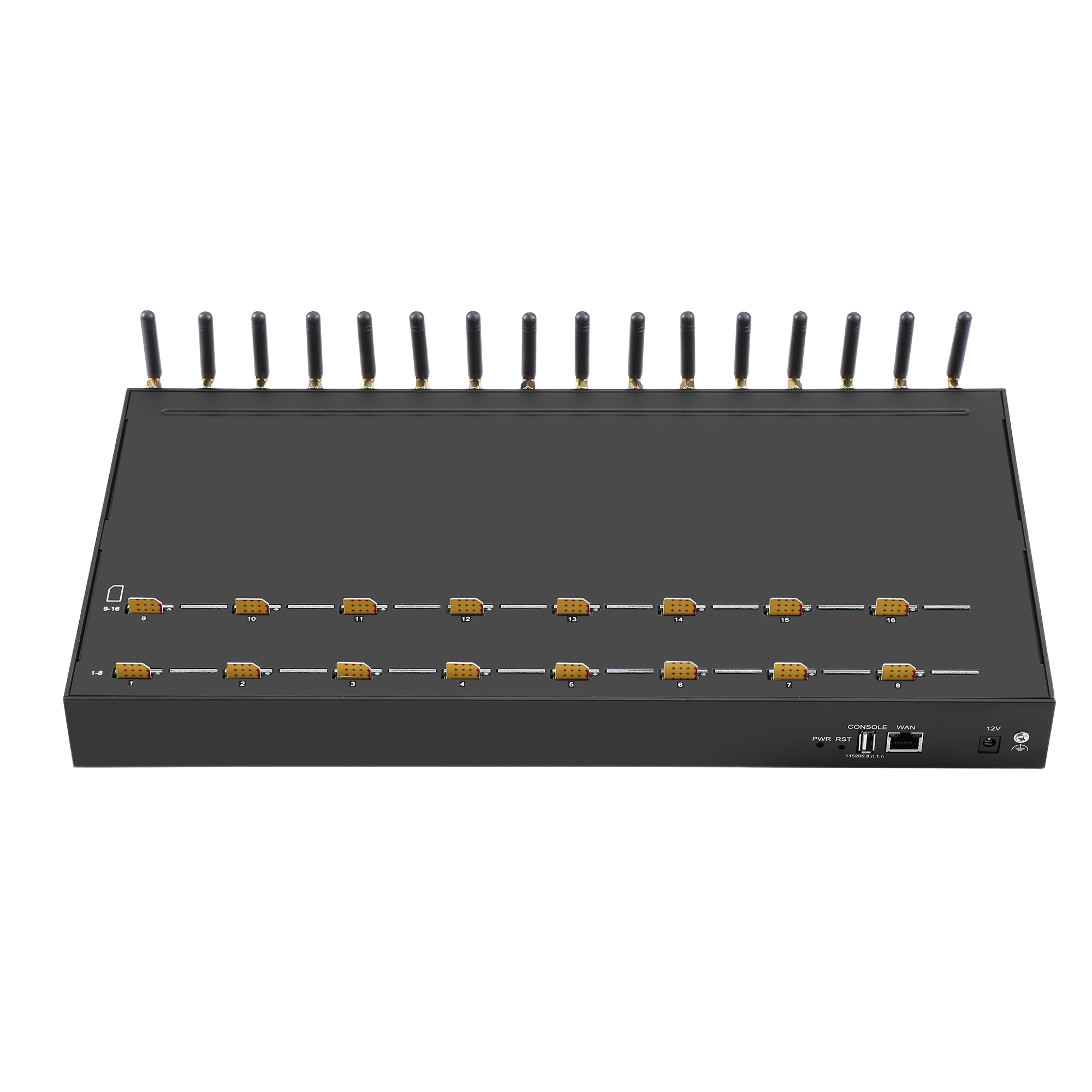
The counter-signal is equally important. Where the gateway shows available channels while calls fail, adding ports changes nothing, because the constraint is elsewhere. Where numbers rather than channels are under pressure, the remedy is additional SIM capacity rather than additional ports, and the published SK VOIP Gateway range offers both axes: from the 16-port, 512-slot configuration at $1,550.00 to the 32-port, 32-slot configuration at the same price, representing opposite answers to the same question.
The published SK VOIP Gateway range runs from the 4-port model at $260.00 upward, and the choice at each tier is between channels and slots rather than between models of different quality.
Conclusion
The real concurrency ceiling is the lowest of three limits: the port count, the capacity lost to codec transcoding, and the platform’s licensed concurrency. Establishing which is binding requires reading both logs at the point of failure and changing one variable at a time, because the three produce similar symptoms from different causes. The measurement that matters is the point at which setup time rises, sustained for an hour at the codec you intend to run.
Recording the figure with its conditions — model, firmware, codec, licensed concurrency, duration and network — is what makes the number usable in a capacity plan and comparable in a vendor conversation. Where the ceiling does not match the hardware, the licensed concurrency row in that record is usually the explanation, and it is the one field most often omitted.
Measure the ceiling before you plan against it. Send your concurrent call target, codec requirement and platform licence to service@telarvo.com, or review the published configurations on the VoIP gateway solution pages.
FAQ
Why does my gateway reject calls when it has free channels?
The constraint is probably outside the gateway. Read both logs at the point of failure: where the gateway shows available channels and the platform reports a licence limit, the platform’s licensed concurrency is the ceiling and the remedy is commercial. Where numbers rather than channels are under pressure, additional SIM capacity rather than additional ports is the answer.
Does transcoding reduce concurrent call capacity?
It can, because conversion consumes processing capacity that would otherwise carry calls. The effect is unmeasurable on a lightly loaded device and material on one running near its ceiling. Negotiate a single codec end to end where the deployment allows it, and measure the transcoding case explicitly where it does not, recording the codec alongside the concurrency figure.
Should concurrency be measured at the installed position?
Yes, because signal quality and thermal conditions at the installed position are part of the result. A device measured on a bench may sustain a different figure in a rack with the enclosure closed. Measure after the equipment has reached steady state under load rather than at the moment it is switched on.
How long should the measurement be sustained?
Long enough for the enclosure to reach thermal steady state, which in practice means an hour rather than a minute. A device that manages a peak briefly may behave differently once it is warm, and the difference appears as a rising setup time rather than as a clean failure. Recording the duration alongside the figure is what makes the result comparable.