Updated
The cellular route adds a local radio and subscription to the PBX path. A provider SIP trunk supplies a contracted IP interconnection, sometimes over the public internet and sometimes over a managed connection. Neither architecture guarantees lower cost, better audio or continuity. This comparison shows how to price an equivalent service, identify dependencies and test a useful hybrid.
GSM VoIP gateway vs SIP trunk: which route fits the requirement?
Choose the route that meets the complete call requirement.
Compare permitted destinations, numbers, concurrent calls, media quality and recovery. A lower minute rate matters only when the route supports the required service and operating model.
Begin with the calls that must work: customer callbacks to a published number, outbound mobile calls, international destinations, transfers and any emergency-service obligations. Separate mandatory requirements from desirable cost savings. A route that cannot preserve the required inbound identity should not remain in the shortlist because it has an attractive outbound rate.
The cellular option needs carrier-approved equipment and subscriptions at the deployment site. The SIP option needs a provider agreement, supported PBX interoperability and an adequate IP path. Both still depend on the PBX, endpoints and local infrastructure unless the design explicitly removes those shared components.
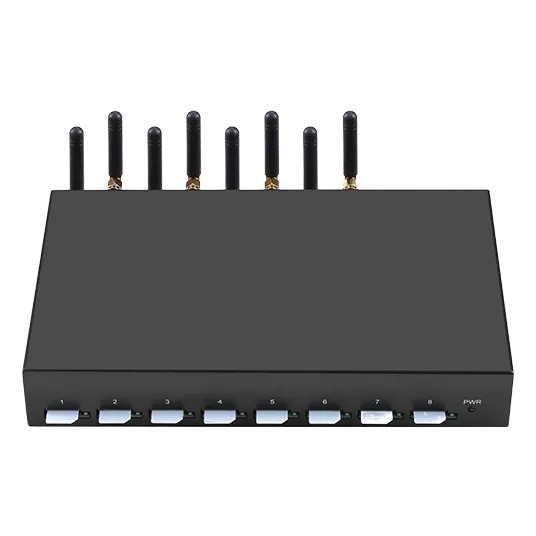
Use the Telarvo VoIP gateway collection to identify a cellular hardware candidate. Obtain a matching SIP quotation for the same workload. Record the exact service exclusions and number arrangements before calculating a winner; differences in what is being purchased often explain apparently dramatic savings.
Compare architectures without confusing the interface with the service
A GSM gateway can itself present SIP to the PBX. The comparison therefore concerns two external voice routes, not SIP versus a device that lacks SIP. RFC 3261 defines SIP session signalling; it does not determine the commercial service behind a particular trunk.
The gateway hands the call between the PBX IP side and an authorised cellular subscription. A provider trunk hands it to the provider’s service and downstream networks. Both may have several media or routing stages beyond the local PBX. Ask where the supplier’s responsibility begins and ends.
| Decision factor | Cellular gateway route | Provider SIP trunk |
|---|---|---|
| Access requirement | Supported radio, site coverage and permitted SIM service | Supported interconnection, IP path and provider account |
| Capacity boundary | Usable call channels and subscriptions | Contracted sessions, provider limits and PBX capacity |
| Published numbers | Carrier-assigned mobile numbers and supported routing | Available numbers, porting arrangements and inbound routes |
| Operating burden | Equipment, antennas, subscriptions and local recovery | Provider coordination, interconnection and account controls |
| Quality evidence | Cellular and IP measurements for the actual route | Access and provider-route measurements for the actual route |
Compare these factors for a named site and market. A provider portal and a gateway dashboard expose different observations, but neither automatically supplies full end-to-end visibility.
Build the cost model from an actual call profile
Export a representative call-detail sample using the organisation’s retention and access rules. Group calls by destination class, direction and time window. Include busy periods, unsuccessful attempts and unusual but legitimate destinations. Monthly minutes alone hide concurrency and charging differences.
For each offer, apply its billing increment, minimum duration, connection charges, included allowance and out-of-bundle treatment. Verify whether unanswered or partially completed attempts can incur charges. List number rental, session fees, minimum commitments, taxes and any installation or migration work separately.
A practical comparison is a spreadsheet with the same call sample replayed against each signed rate schedule. Add the hardware and operational rows afterwards. Keep the source dates alongside the assumptions so finance can distinguish a current quotation from an older planning estimate.
Do not assume cellular charges are fixed or SIP charges are exclusively usage-based. Either service can include recurring, allowance-based and variable elements. An unlimited headline can have usage restrictions that exclude the intended business workflow. Written permission and a complete tariff are more useful than an informal claim that local calls are cheap.
Calculate the decision threshold rather than inventing a crossover
Before calculating, normalise the billing units. If one quotation rounds every answered call to a whole minute and another uses shorter increments, the same recorded conversation durations can produce different billed totals. Replay the calls individually using each tariff’s rules. Do not divide one monthly invoice by total conversation time and assume the resulting average remains valid for a different pattern of short calls.
Also distinguish an included allowance from a permitted workload. If an offer includes minutes but excludes the intended automated or business use, that allowance cannot be entered as an available saving. If it is permitted, show the allowance allocation and the rate that applies after it is consumed. These rows make the calculation reproducible when the volume or contract changes.
An illustrative model can clarify the arithmetic without claiming a market price. Suppose permitted route A has a monthly fixed cost of $180 and a variable rate of $0.025 per comparable billed minute. Route B has a fixed cost of $60 and a variable rate of $0.040. These invented inputs are for calculation only.
The costs are A = 180 + 0.025M and B = 60 + 0.040M, where M is the same billed-minute quantity. They are equal at 8,000 minutes. Below that point B costs less under these assumptions; above it A costs less. This result is not a Telarvo price or a recommendation to use either route.
The simple equation is valid only if the minute units, destinations and included services match. Add amortised hardware, maintenance, number charges and staff effort before using a real model. If rates differ by destination, calculate each destination group separately rather than applying one blended rate without evidence.
Run a sensitivity check on the largest uncertainty. If a small change in call mix reverses the result, favour a flexible contract or staged purchase over a large commitment justified by one optimistic scenario.
Size channels using overlapping calls and operating headroom
Minutes measure usage; overlapping calls determine the channel requirement. Review the peak number of active calls and how often the operation approaches that peak. Count inbound and outbound traffic against the actual shared capacity rules rather than assuming a separate allowance for each direction.
For a gateway, confirm usable radio call channels, subscription assignments and PBX limits. A large stored-SIM inventory does not create the same number of simultaneous calls. For a SIP trunk, establish purchased sessions, calls-per-second restrictions and the procedure for raising limits. Provider scaling may require approval or configuration changes.
Use a demand trace rather than adding up extensions. A site with many extensions can have modest concurrency, while a small automated operation can place bursts of calls. If the trace repeatedly fills all channels, specify what the next call should experience: an overflow route, a queue or a clear failure result.
Headroom also belongs in the recovery calculation. Losing one channel in a small gateway has a different operational effect from losing the entire chassis. Compare capacity after the specified failure, not just the installed total. Document which service remains usable under that reduced condition.
Which option provides better call quality?
Quality depends on the complete tested call path.
Evaluate two-way audio, delay, dropouts and DTMF with matching destinations. Signal bars and successful SIP registration cannot establish the caller’s actual experience.
The cellular route can be affected by radio coverage, network loading, supported voice service and the gateway’s audio handling. It also has an IP/media path between the gateway and PBX. The provider route can be affected by local access, provider routing, transcoding and downstream interconnections. Problems are not neatly divided into local versus external causes.
RFC 3550 describes RTP and associated reporting, including loss and jitter observations. Those observations help investigate media, but a clean local measurement does not prove every downstream leg is healthy. Keep the measurement point clear in the test record.
Call the same approved test destinations through both routes at comparable times. Listen at both ends, test speech overlap and note unexpected disconnections. If a quality tool reports MOS, identify whether it is a measured or estimated value and what path it covers. Do not compare unrelated scores as though they were interchangeable end-to-end results.
Verify IVR, number presentation and PBX behaviour separately
Speech quality is only part of a useful voice service. Test incoming number mapping, authorised outbound caller presentation, answer supervision, hangup and transfer behaviour. A route that sounds clear but misidentifies calls or leaves channels occupied can still fail operational acceptance.
For menus, confirm the negotiated DTMF method at each interface. RFC 4733 specifies RTP telephone events. It supports an interoperability discussion, not an assumption that every supplier enables the same method by default. Test a controlled IVR with repeated digits and the actual production call route.
Number ownership is also a contractual question. Establish who holds each subscription or number, which transfers are supported and what happens on termination. A SIM number is not automatically portable to the selected SIP service; a provider number does not automatically become available on a SIM.
Keep these outcomes in the acceptance table beside audio results. They are easier to investigate when the originating extension, trunk, destination, timestamp and observed number are recorded together. Mask personal numbers where the record does not require their full value.
Does a cellular gateway provide internet-outage backup?
Only if its remaining dependencies still support the call.
A local PBX may reach a local gateway without the WAN, but power, LAN, phones and cellular service must survive. Inbound number continuity needs a separate routing arrangement.
Draw the failure boundary before describing a backup. If the PBX is hosted elsewhere, a WAN outage can disconnect local phones from both the SIP provider and local gateway. If the gateway, switch and PBX share unprotected power, a mains failure can remove both routes. Cellular coverage is not a substitute for those components.
Inbound service needs particular attention. Customers calling the SIP provider’s published number will not automatically reach a different mobile number because the PBX lost internet access. Ask whether provider-side forwarding or alternate delivery is available, how it is triggered and what caller information is preserved.
The Asterisk NAT guidance illustrates why signalling and media addresses require deliberate configuration. Changing an access route can alter those conditions. Test the intended outage, alternate path and restoration sequence; a successful normal-state call is not a failover test.
Design hybrid routing with a defined return path
A hybrid can assign authorised destination groups to different trunks and reserve an alternate route for selected failures. Keep the policy small enough to explain and audit. A collection of ad hoc prefix rules can become difficult to maintain when tariffs or number plans change.
Specify which error conditions trigger another attempt, whether the first route might already have answered, and how the system avoids duplicate or looping calls. Distinguish capacity exhaustion from a destination rejection. Sending every failed call to another carrier can increase cost without solving the underlying reason.
Test the reverse transition as well. When the primary route returns, establish how new calls resume normal routing and how staff confirm recovery. Existing calls should follow the system’s documented behaviour rather than an assumed seamless move between unrelated access services.
The Telarvo VoIP solution provides context for the cellular side. For hardware sizing, use the GoIP model comparison rather than repeating its device-selection scope here. The hybrid policy still belongs to the PBX and service agreements actually deployed.
Include security, support and exit costs in the quotation
Limit administrative access, protect trunk credentials and define allowed destinations and spending controls. A low-cost route is not economical if an exposed account can generate unauthorised calls. Ask what logging, alerts and recovery controls each supplier supports on the quoted service.
RFC 8446 defines TLS 1.3. Verify supported signalling and management protection separately from media protection; TLS support in one interface does not mean all audio or records are encrypted. Avoid assigning a protocol capability to hardware without a product-specific specification.
Support terms should name an owner for cellular registration, gateway faults, PBX interoperability and provider routing. Record escalation evidence and expected response arrangements. Include spare equipment, configuration restoration and service reissue costs where the operating plan requires them.
The exit plan matters when the organisation must retain published numbers. Ask about porting eligibility, notice periods, early termination, configuration exports and removing credentials. Put these obligations into the same comparison as recurring prices so a temporary saving does not obscure a costly or disruptive departure.
Select a route after a comparable pilot
For an illustrative two-site business, evaluate each site’s failure requirements separately. An office with a local PBX and a remote office using a hosted PBX do not gain the same continuity from an identical cellular gateway. Put the PBX location, access path and published inbound number in each site’s test record. A central cost comparison can still use both sites, but the continuity result must remain specific to the site tested.
After the technical pilot, review the observed incidents with whoever will provide support. Identify which party needed access, what evidence resolved the issue and how long staff spent collecting it. This is operational evidence for the ownership-cost model, not a published reliability statistic. It can reveal a support dependency that neither equipment pricing nor the minute-rate calculation captured.
Define acceptance before testing: permitted traffic, reachable numbers, peak concurrency, usable audio, IVR success and the required recovery behaviour. Set thresholds appropriate to the business instead of inventing a universal success percentage. Use authorised recipients and control billable activity during the pilot.
Retain failures as well as successes. A small test that excludes difficult destinations can make both routes look better than they will perform in production. Review cost against the same call sample, then examine support effort and unresolved limitations. An undocumented workaround should remain an open issue.
Approve the route or hybrid whose service boundaries and economic assumptions are understood. Preserve the accepted configuration and rate schedules, and revisit the model when the destination mix, carrier arrangement or busy-hour demand changes. That review is more useful than treating a single quoted minute price as a permanent answer.
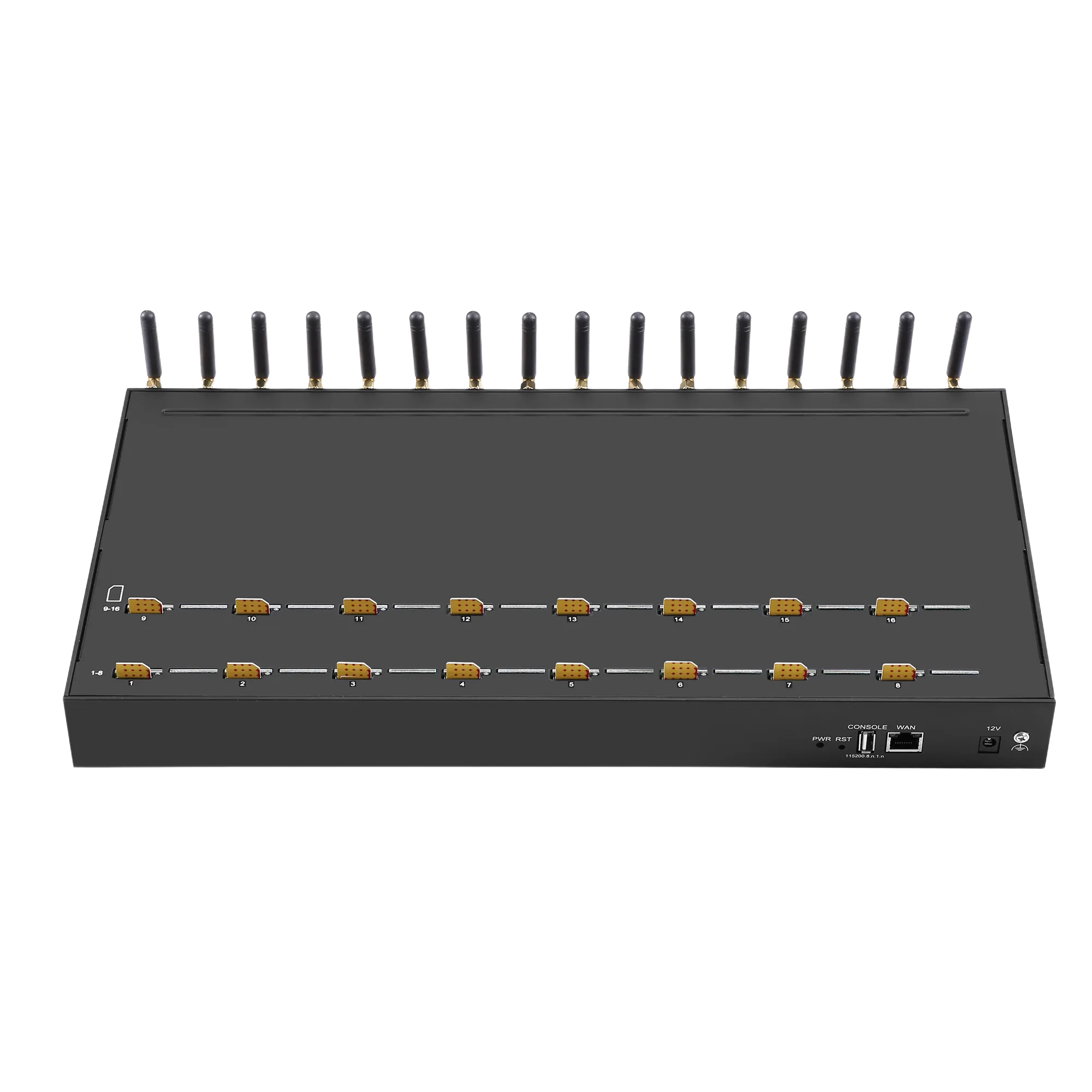
Request a Telarvo cellular voice specification review with your call profile, target carriers, required numbers and PBX details. Ask for the exact channel configuration and a pilot plan that can be compared with your SIP offer.
FAQ
Can a provider SIP trunk use a private connection rather than the public internet?
Yes, when the provider offers and contracts that access arrangement. A SIP trunk describes the service interface, not a mandatory public-internet transport path. Ask who supplies the connection, how it is monitored, and whether an alternate path remains available if it fails. Include access charges and installation work in the comparison. A managed connection can change the quality and support boundaries, but it does not independently guarantee that every downstream destination or local PBX component remains available.
Should outbound numbers be chosen only for their local appearance?
No. Use numbers that the organisation is entitled to present and that callers can use as intended. Confirm the provider or carrier’s presentation policy and the applicable market requirements. If customers need to return calls, test that route rather than assuming an outbound identity is a working inbound destination. Keep the business ownership and recovery arrangements documented. A number’s local format is only one attribute; supported use, callback routing and continuity are more important procurement conditions.
How should a pilot handle destinations with very little historical traffic?
Identify whether those destinations are essential or merely occasional. Essential routes need targeted authorised tests even when they contribute few minutes to the sample. For occasional traffic, document the permitted fallback, expected tariff and any exclusions instead of treating an untested destination as proven. Review the offer’s charging categories carefully. This preserves the distinction between a route that has passed the principal workload and a route claimed to cover every possible destination without supporting evidence.
Can call recording costs change the route decision?
Yes, particularly when recording introduces storage, security, access or integration requirements. Determine where recording occurs and whether the planned trunk path passes through that component. Include retention, retrieval and support work in the operating model. Use the organisation’s applicable notice and privacy procedures for any recorded test calls. The route purchase should not assume that changing providers or adding a gateway preserves recording behaviour automatically; verify the resulting workflow before approving a migration.