Pacing is a throughput control. It is frequently described as something more than that, and the gap between the two descriptions is where procurement decisions go wrong.
This article explains what the feature does at the level of send intervals and queue management, why it exists in a legitimate deployment, what it cannot change about operator policy, and how to evaluate a vendor claim about it honestly. It describes engineering structure only; whether a particular messaging programme is permitted is a question for your compliance owner.
Device behaviour emulation limits: what the feature technically does
It decides when each queued message is handed to the network.
A gateway with pacing holds messages in a queue and releases them under a policy. The policy is built from a small set of parameters: the interval between consecutive sends on one subscription, the maximum number of sends in a rolling window, the order in which subscriptions are used, and what happens when a send is refused. Those parameters are configuration, and the device enforces them by delaying the next send rather than by changing anything about the message itself.
Nothing in that description touches the content, the encoding or the sender identity. The message that leaves the gateway is the message the application submitted; the only variable the pacing feature controls is timing. The message formats themselves are standardised, and the way a short message is encoded and carried is described in 3GPP TS 23.038 and its ETSI TS 123 038 equivalent, neither of which leaves room for a sender to alter how the network handles the traffic.
The practical effect of pacing is a smoother send rate. Instead of the application submitting a thousand messages in one second and the gateway passing them all to the modules, the gateway spreads them at a rate the modules and the subscriptions can sustain. That is the whole mechanism.
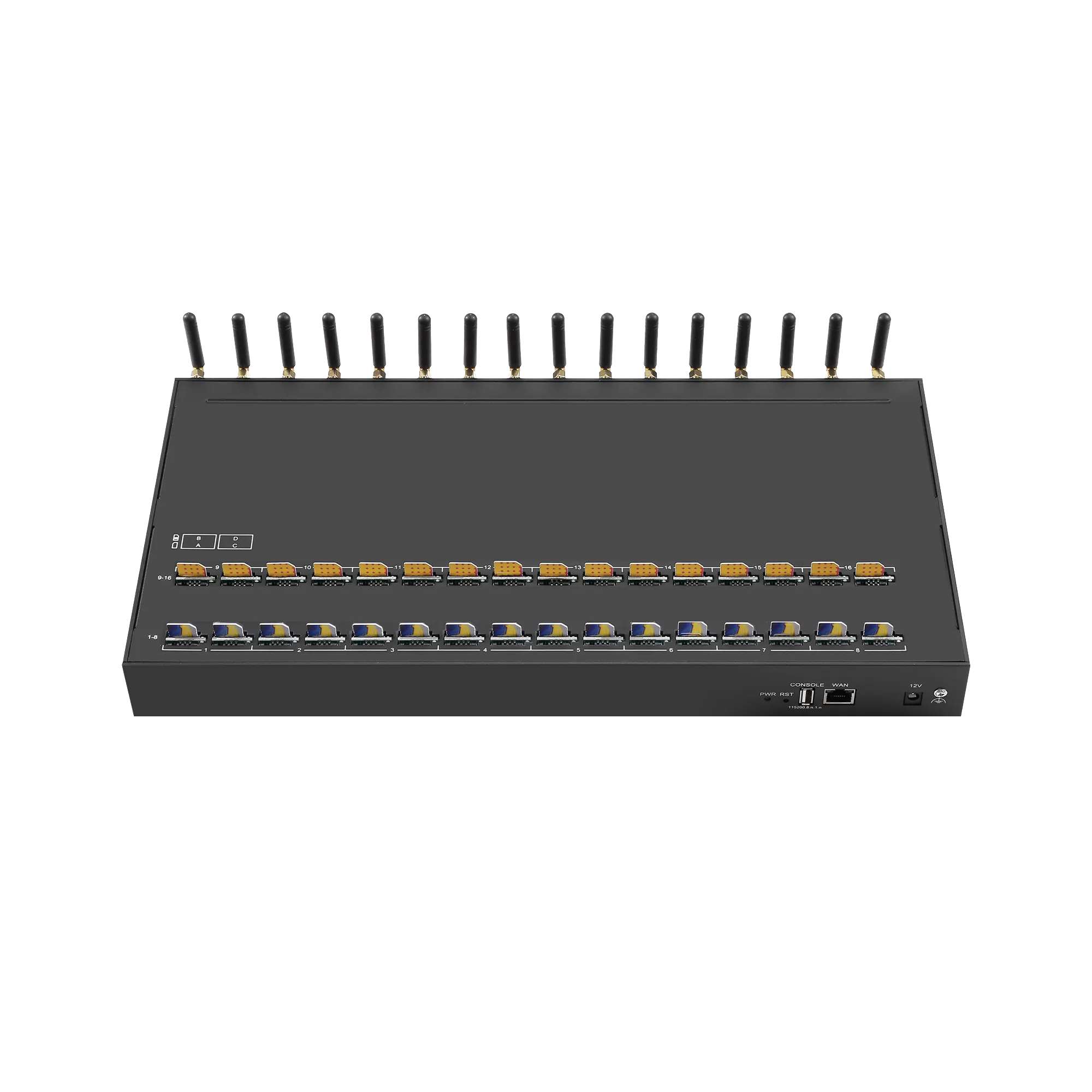
Why pacing exists: network acceptance, not evasion
Because bursts fail for ordinary engineering reasons.
A radio module that is asked to send continuously spends its time in transmission, and a module in transmission is not reading from the network. Push traffic, delivery receipts and any incoming message can be missed while the module is busy, and a module that never pauses also generates more retries, because a submission that fails on a busy radio is retried and adds to the load rather than reducing it. Pacing resolves this by leaving gaps, which is the same reason a queue is used in any system where arrival rate can exceed service rate.
The second reason is acceptance at the network edge. Operators publish expectations about message rates, and a subscription that exceeds them in a short burst can see its submissions rejected for a period. Spreading the same volume over a longer window keeps the submission rate inside what the subscription is provisioned for and turns a burst of failures into a steady flow of successes. That is an engineering objective: it makes the service reliable, and it is the objective a legitimate deployment is pursuing.
Where those expectations are written down, they come from the operator. The identifiers used to route the traffic are defined in ITU-T E.164, and the terms on which a subscription may be used are set out in the operator’s own conditions rather than by the hardware vendor.
| What pacing controls | What it does not control |
|---|---|
| The interval between sends on one subscription | Whether the operator accepts the traffic |
| The maximum volume in a rolling window | The classification the network applies |
| Which subscription is used for the next send | The standing of that subscription |
| What happens when a send is refused | Whether the refusal is lifted |
What it cannot do: changing operator policy
It cannot change a rule it does not control.
Operator policy is made from information the operator sees: the subscription, the volume, the recipients, the pattern of complaints, and the rules that apply in the market. A gateway is not a party to that decision and has no leverage over it. Pacing can keep a deployment inside a rate that was already acceptable; it cannot make an unacceptable rate acceptable, and it cannot alter how a network classifies the traffic once it has arrived.
This distinction is the one worth holding on to during a procurement conversation. A feature that helps you stay within published expectations is a reliability feature. A feature advertised as a way to avoid being noticed is describing an intent rather than a capability, because the only lasting way to avoid a network-side restriction is to run traffic that does not attract one. Where a vendor’s material blurs that line, the honest reading is that the marketing is overstating a queue control.
The compliance boundary in plain terms
The setting is neutral; the activity is not.
Timing controls are ordinary engineering and appear in every well-built messaging system. The same controls are also used by senders who are deliberately doing something they are not permitted to do, and that is precisely why the legality of a deployment does not follow from the presence or absence of a pacing setting. It follows from what is being sent, to whom, on whose authority, and whether the recipients consented.
The practical consequence for a buyer is that the compliance question has to be answered before the technical one, and by somebody other than the equipment supplier. Consent, sender identification, opt-out handling, and any sector or national restriction on the timing or content of messages are all outside the hardware. The controls that do belong to the hardware are the ones that can be expressed as configuration and enforced, which in practice means rate limits, permitted destinations, permitted subscriptions, and a record of what was sent.
Where a deployment touches a regulated activity, the thresholds and the permission model should come from the compliance owner and, where applicable, the supervisory body. Nothing in this article is advice about what a particular programme may do.
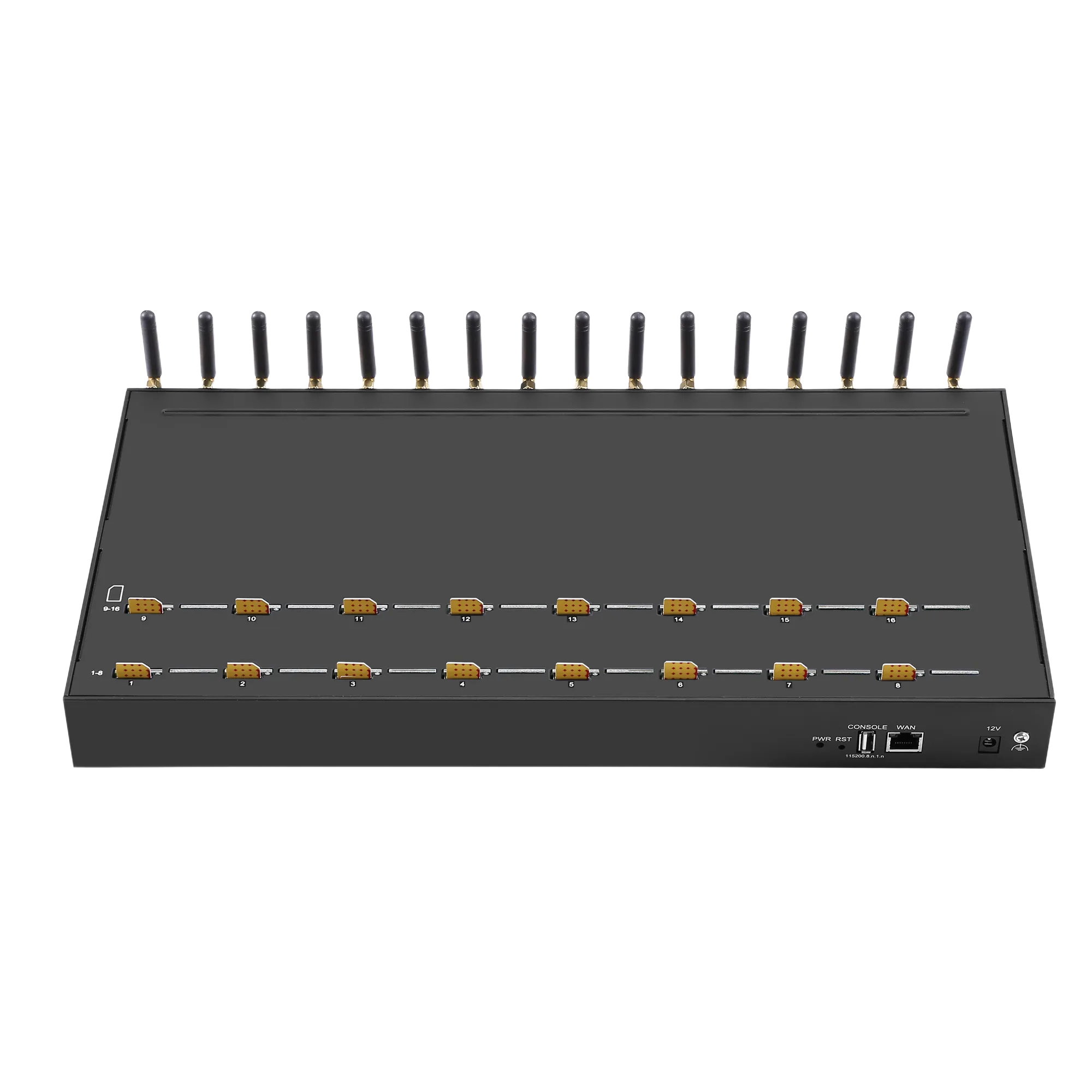
Where a vendor claim overstates the capability
Three claims appear often and are worth testing.
The first is that a device can make traffic appear to come from human hands. What pacing can do is spread sends over time; what it cannot do is change the fact that the volume exists, that the content is what it is, or that the recipients may report it. The second is that a device can protect a subscription from restriction. What it can do is keep the send rate inside the provisioned limit, which reduces one cause of restriction among several. The third is that a particular interval setting is the recommended one, when in fact the acceptable rate is a property of the subscription and the operator rather than of the hardware.
Testing those claims is straightforward and does not require a laboratory. Ask what the setting changes, ask what evidence the vendor has that it produces the promised outcome, and ask what happens when operator expectations change. A vendor who answers the third question with a configuration change is describing a control; a vendor who answers it with a claim about invisibility is describing something the hardware cannot deliver.
How to evaluate the feature honestly
Judge it as a queue and rate control, because that is what it is.
Four questions cover most of the evaluation. Whether the rate can be set per subscription rather than per device, since the limits that matter belong to individual cards. Whether the queue survives a restart, since the value of pacing is lost if a power event discards the work that was waiting. Whether refusals are recorded with enough detail to diagnose them, including which subscription and which destination. And whether the configuration can be exported and restored, because a rate policy that exists only on one device is a policy that will be lost.
The wider controls around the deployment matter as much as the feature. Access control on the management interface, per-identity authentication for the application, and complete logs belong in the same assessment, and the control families that describe them are catalogued in NIST SP 800-53 Rev. 5. A well-paced gateway with an open management interface is not a controlled deployment.
A boundary statement
Pacing belongs in the same category as a rate limiter in any other system. It protects the service from its own burst behaviour, it keeps submissions inside what a subscription is provisioned for, and it produces a steadier stream of results that are easier to operate. It does not alter the message, the identity of the sender, the classification the network applies, or the standing of a subscription, and no configuration setting can substitute for a legitimate programme with documented consent.
Framed that way, the feature is worth having and easy to specify. Framed as a way to avoid attention, it invites a deployment that is trying to solve a policy problem with hardware, and the ordinary security practice for such a deployment is described in guidance like the CISA cybersecurity best practices collection: control access, know what your systems are doing, and keep records that can be reviewed.
Specify pacing as a rate control, not as a promise. Send your per-subscription rate requirements and queue behaviour questions to service@telarvo.com, or review the published configurations on the SMS gateway range and the SMS gateway solution page. Background on the company and the range is on the about page. Telarvo publishes the SK-SMS gateway range, the TYH modem pools and the TGW SMS machine on its product pages, and the configurations referenced above come from those listings.
FAQ
What is human behaviour mode on a gateway?
In the way it is usually implemented, it is a send interval profile: a set of rules about how long to wait between messages on one subscription and how many to allow in a rolling window. It changes timing and nothing else. It does not change the message, the sender identity or the volume, and it has no effect on how a network classifies the traffic.
Does pacing prevent a subscription from being restricted?
It reduces one cause among several. Bursts that exceed what a subscription is provisioned for are a common reason submissions start being refused, and spreading the same volume over a longer window keeps the rate inside the provisioned limit. Whether a subscription is restricted is decided by the operator from what it observes, so a timing setting cannot guarantee an outcome the operator controls.
Is using behaviour pacing on a gateway legal?
The setting itself is ordinary engineering, so legality does not follow from whether it is enabled. What determines whether a messaging programme is permitted is what is sent, to whom, on whose authority and with what consent, together with any sector or national restrictions that apply. Those questions belong to your compliance owner rather than to an equipment vendor or a product page.
How should I test a vendor claim about pacing?
By asking what the setting changes, what evidence supports the promised outcome, and what happens when operator expectations change. A vendor who answers the third question with a configuration change is describing a control you can specify. A vendor whose answer depends on the traffic not being noticed is describing something the hardware cannot deliver, and the claim should be discounted accordingly.