Rotating SIM cards is a normal capacity practice in messaging. On a voice gateway the same practice creates a problem that messaging never sees: the person you called may call back, and the number they see is no longer the number that is answering.
Voice rotation is therefore a policy decision before it is a configuration decision. This guide covers how voice rotation differs from messaging rotation, why caller identity consistency determines whether rotation is usable at all, how to choose a rotation trigger, and what to measure afterwards using the answer-seizure ratio and average call duration your voice operation already tracks.
How does voice rotation differ from SMS rotation?
Voice rotation breaks the return path.
A message recipient who replies does not choose which number to reply to, while a call recipient who redials uses the number that appeared on their handset.
The mechanism is the same in both cases: a pool of SIMs behind a fixed number of channels, with a policy deciding which SIM carries the next unit of traffic. The consequences differ because voice is bidirectional in a way messaging is not. A rotated SIM still sends and receives, but the recipient’s expectation of a stable calling number is broken, so the practical question becomes whether your operation depends on redialled calls arriving.
Two consequences follow. First, rotation for voice has a floor that messaging does not: a rotation policy that is aggressive enough to spread load evenly may be aggressive enough to break every callback. Second, the operator-side view of the traffic changes, because a channel that presents a different calling number for each call looks different from one that presents a stable number, and operators set their own policies on how they treat that pattern.
Because of that second point, the design goal is not to rotate as much as possible; it is to distribute load only as far as your callback requirement and the operator’s accepted practice allow. Where the two conflict, the callback requirement almost always wins, because a broken return path is visible to the customer immediately.
Why does caller identity consistency decide the design?
A callback to the wrong number is worse than a busy one.
Identity consistency means a called party who redials reaches a channel that can still handle the conversation, and it constrains how far rotation can go.
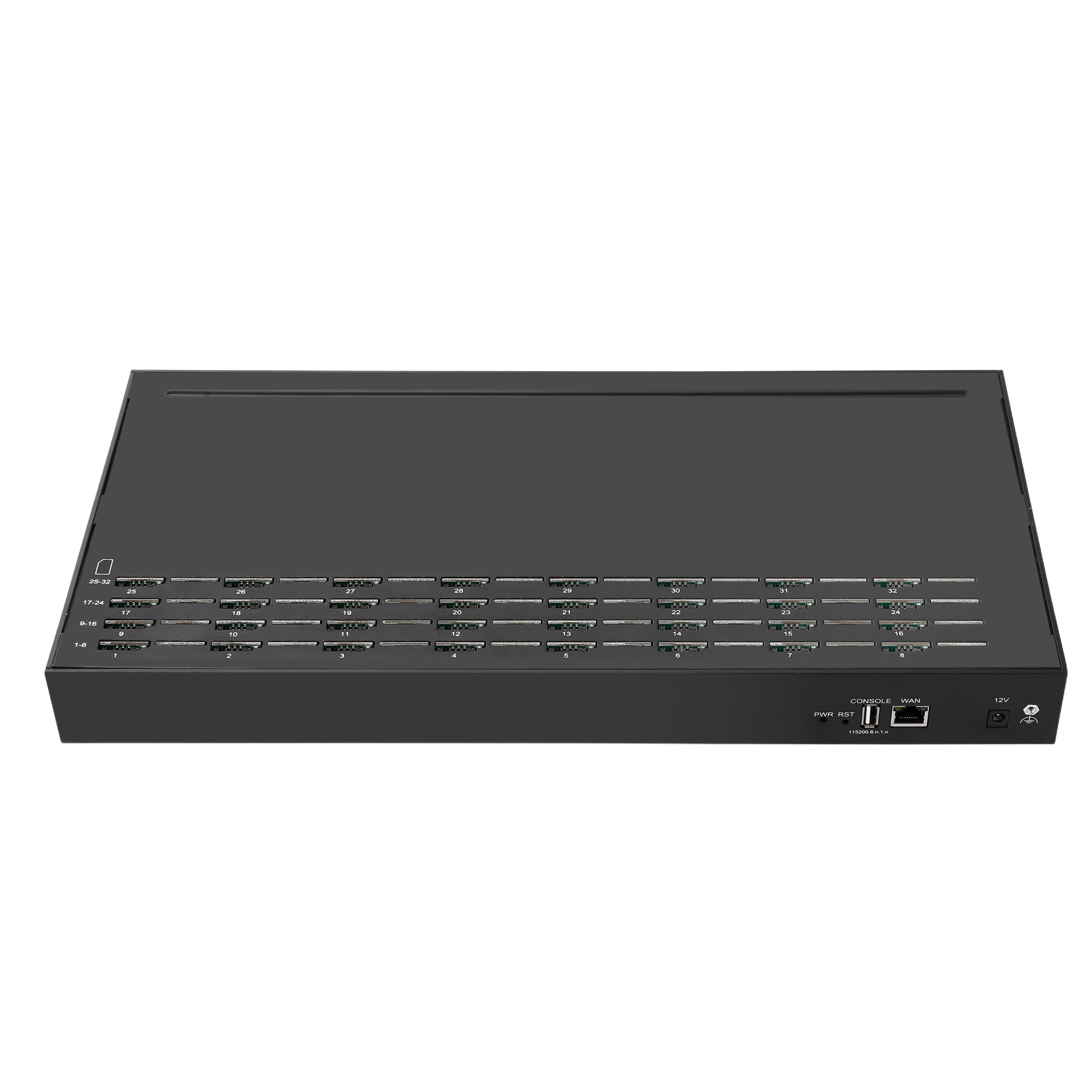
Three approaches exist, and they should be chosen deliberately rather than discovered. Fixed mapping binds each SIM to a channel and rotates nothing, which maximises consistency and minimises load distribution. Grouped mapping rotates within a small group so that a callback reaches a channel in the same group, which is the usual compromise. Wide rotation distributes across the full estate, which offers the best load distribution and the worst callback behaviour.
The grouped approach works because the practical requirement is not that the exact same SIM answers, but that the call is answered by a system that knows the original conversation. If your platform can route a callback to the right team or the right case record regardless of which channel receives it, the strict identity requirement relaxes.
Where the calling number is a contractual or regulatory matter, wide rotation is simply unavailable. Deciding which of the three applies is the first conversation to have with the compliance owner, before any configuration work begins. Where the calling number is also used for verification or authentication purposes, the guidance in NIST SP 800-63B on out-of-band channels is worth reading, because rotation changes the guarantee that a channel provides.
Which rotation trigger should you use?
Time-based rotation is the least disruptive starting point.
Triggers differ in how they interact with calls in progress, and the trigger you choose determines whether rotation is invisible or disruptive.
| Trigger | Behaviour | Main risk |
|---|---|---|
| Per call count | Rotates after a set number of completed calls | Rotation can land mid-session if the count is evaluated during a call |
| Per elapsed time | Rotates after a fixed interval | Uneven load when call volume varies by hour |
| Per failure rate | Rotates a SIM after unsuccessful attempts | Reacting to a network-wide problem by rotating everything at once |
| Manual | An operator rotates a SIM explicitly | Depends on someone noticing the problem first |
Two rules make any trigger safer. First, never rotate a SIM that is carrying an active call; defer the rotation until the channel is idle. Second, apply the trigger per SIM rather than to the pool, so that a problem affecting one number does not cause the whole estate to move at once.
The failure-rate trigger deserves particular care. Its appeal is that it responds to real conditions, and its danger is that a network-side fault produces many failures at once, causing the device to rotate every SIM simultaneously. Combined with a callback requirement, that is the worst possible moment to move traffic. Where you use this trigger, pair it with a cap on how many SIMs may rotate within a window.
How do you maintain number reputation under rotation?
Treat each number as an asset with its own history.
A calling number accumulates a reputation based on the outcomes of the calls it carries, and rotation spreads that reputation across the estate.
Reputation is not a formal register that you can inspect; it is the aggregate effect of how recipients, operators and analytics systems respond to calls from that number. What you can control is the information you keep about each number. Record the call outcomes per SIM rather than per device, so that a number whose answer rate falls is visible while it is still a small problem.
Two practices help. The first is to retire a number from outbound use when its answer rate drops persistently, rather than pushing more traffic through it. The second is to keep the calling number stable for a given campaign or customer segment, so that recipients who recognise the number keep recognising it. Rotation that contradicts recognition is trading a capacity benefit for a response-rate cost.
Where the operation sends commercial traffic, the obligations around consent and identification do not change because the number rotates. Industry practice material from M3AAWG and the market rules published by organisations such as the CTIA are the practical reference points for how those obligations are normally expressed, and both assume the recipient can identify who is calling.
How does rotation affect ASR and ACD?
It moves both, usually opposite to expectation.
Answer-seizure ratio and average call duration are the two metrics a voice operation already watches, and rotation moves them through the identity effect rather than through network quality.
The intuitive expectation is that spreading load improves network-side performance, because no single number carries a disproportionate share. The measurable effect is often the reverse: when recipients see an unfamiliar number, answer rates fall, which lowers the answer-seizure ratio even though technical delivery was fine. Average call duration then falls as well, because a higher proportion of answered calls are short.
The practical consequence is a measurement discipline. Baseline both metrics before rotation is introduced, and compare against a stable-mapping window rather than against a historical average that predates other changes. If the answer-seizure ratio falls after rotation while delivery metrics stay healthy, the cause is identity rather than network, and the remedy is a narrower rotation group rather than a change of carrier.
Keeping the calling number stable per campaign, and rotating only the SIMs that carry unsuccessful attempts, frequently recovers most of the answer rate while retaining a useful share of the load distribution.
When should you not rotate at all?
When the number itself carries the value.
Rotation is a capacity technique, and there are deployments where the number is the product rather than a channel attribute.
Four situations argue against rotation. Customer service lines where customers save the number argue against it. Regulated outbound calling where the calling party must be identifiable argues against it. Any operation where the calling number is used for verification argues against it. And any deployment with a small number of high-value accounts, where the relationship matters more than the channel utilisation, argues against it.
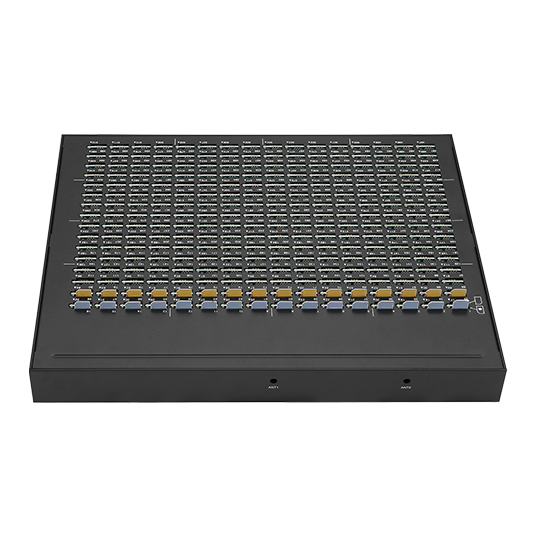
In those cases the correct design is fixed mapping with enough SIM slots to support the traffic, which is a hardware decision rather than a policy one. The SK VOIP Gateway ladder from the 16-port, 512-slot configuration at $1,550.00 upward exists precisely for operations that need many numbers without needing to move traffic between them.
A useful test before committing to rotation is to ask what happens on the day a customer calls back and reaches a different number than the one they dialled. If the answer is inconvenient, rotation belongs in a narrow group or not at all.
Conclusion
Voice rotation is constrained by the return path in a way messaging rotation is not, so the design starts from the callback requirement and works back to the rotation policy. Grouped mapping is the usual compromise: it distributes load enough to be useful while keeping a callback inside a system that knows the conversation. Whichever trigger you choose, never rotate an active channel, apply the trigger per SIM rather than to the pool, and cap how many SIMs may move within one window so that a network-wide fault does not cause the entire estate to rotate at once.
The measurement that settles the argument is the answer-seizure ratio against a stable-mapping baseline, not against a historical average. Where the ratio holds and delivery is healthy, the rotation is doing its job. Where it falls while delivery remains healthy, the cause is identity, and the remedy is a narrower group or fixed mapping with more SIM slots rather than a change of network. The signalling and numbering foundations behind both approaches are standardised by 3GPP and the ITU E.164 numbering plan, and the ETSI standards catalogue is a useful reference where a specification has to be cited in a procurement document.
Match the SIM estate to your callback requirement before deciding on rotation. Send your call volumes, redial expectations and port requirement to service@telarvo.com, or review the published configurations on the VoIP gateway solution pages.
FAQ
Will rotating SIMs improve our answer rate?
Usually the opposite in the short term, because recipients see an unfamiliar calling number and answer less often. Rotation addresses capacity, not reputation. The measurable effect is a fall in answer-seizure ratio while technical delivery stays healthy. If that happens, narrow the rotation group or return to fixed mapping and add SIM slots instead of widening rotation further.
Can we rotate SIMs without changing the calling number?
Not in the usual sense, because the calling number is a property of the SIM that placed the call. What you can do is present the same number consistently within a campaign or customer segment by grouping SIMs, so a callback lands inside a known group. Presenting one number across an entire rotated estate requires a platform-side layer rather than a device setting.
How many SIMs should a rotatable voice estate contain?
Enough to keep per-number load inside the limits your operator accepts, plus headroom for numbers removed from service. That is a policy calculation rather than a hardware limit. Start from the maximum call volume you are willing to place from one number, divide peak traffic by it, and add spares, then choose the port and slot configuration that covers the result.
Does rotation affect call recordings or reporting?
It affects reporting rather than recording. Call detail records are normally attributed to the channel and SIM that carried the call, so reporting per device will hide a number whose performance is falling. Attribute outcomes per SIM as well, so that a declining number becomes visible while the problem is still small enough to fix by retiring that number.